
Zero-knowledge proofs 2026 budget
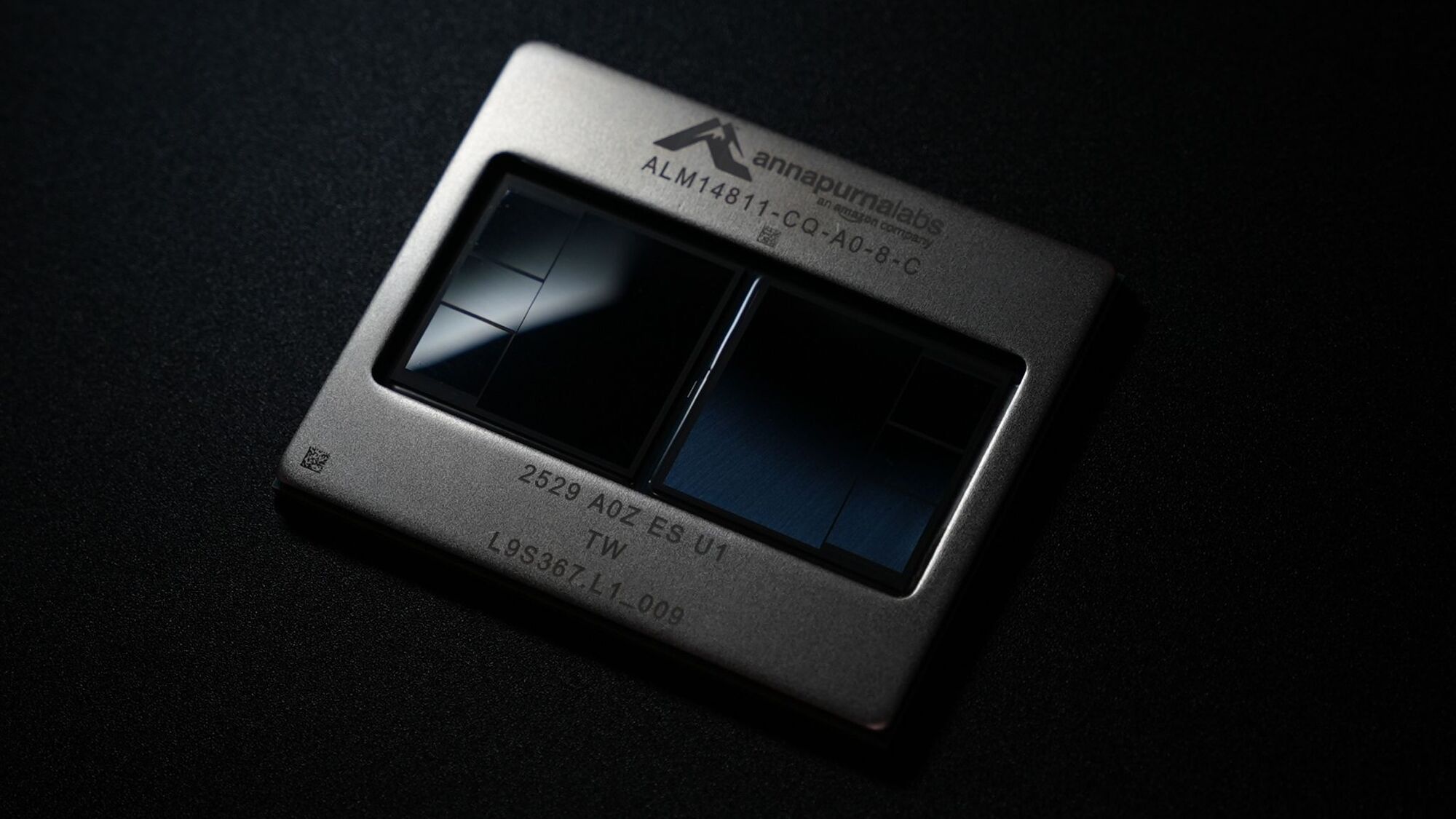
The cost of zero-knowledge proofs in 2026 is no longer just about gas fees. It is a tradeoff between hardware age, proof size, and verification speed. Older GPUs struggle with recent recursive proof systems, while newer ASICs offer speed but at a higher upfront cost. Understanding these hardware constraints helps you choose the right infrastructure for your specific use case.
Hardware constraints and proof size
Proof size directly impacts storage and transmission costs. Smaller proofs are cheaper to store and faster to verify on-chain, but generating them often requires more computational power. Newer proof systems like Plonky3 reduce proof sizes significantly, making them ideal for high-throughput applications. However, they may require more RAM during generation, which can increase cloud hosting costs.
Verification speed vs. generation cost
There is an inherent tradeoff between how fast you can generate a proof and how quickly it can be verified. Systems optimized for fast generation, such as STARKs, produce larger proofs that take longer to verify. Conversely, systems like SNARKs offer fast verification but slower generation. For DeFi applications requiring real-time settlement, fast verification is often more valuable than fast generation.
Choosing the right infrastructure
For individual developers, cloud-based proof generation services offer the best balance of cost and ease. They handle the hardware complexity and scale with your needs. For large-scale DeFi protocols, dedicated hardware setups may be more cost-effective in the long run, despite the higher initial investment. Always benchmark your specific proof system against your expected transaction volume before committing to a hardware strategy.

As an Amazon Associate, we may earn from qualifying purchases.
Key considerations for 2026
As the ZK ecosystem matures, expect more specialized hardware and software tools to emerge. Stay updated with the latest proof systems and benchmarks to ensure your infrastructure remains efficient. The ZKProof standards group continues to release updates that may impact hardware requirements, so regular reviews of your setup are recommended.
Shortlist real options
Use this section to make the ZK-Rollups decision easier to compare in real life, not just on paper. Start with the reader's actual constraint, then separate must-have requirements from details that are merely nice to have. A practical choice should survive normal use, maintenance, timing, and budget. If a recommendation only works in an ideal situation, call that out plainly and give the reader a fallback path.
| Factor | What to check | Why it matters |
|---|---|---|
| Fit | Match the option to the primary use case. | A good deal still fails if it does not fit the job. |
| Condition | Verify age, wear, and service history. | Hidden condition issues erase upfront savings. |
| Cost | Compare purchase price with likely upkeep. | The cheapest option is not always the lowest-cost option. |
Inspect the expensive parts
Zero-knowledge rollups offer privacy and scalability, but the cryptographic heavy lifting comes with specific failure modes that can lock up funds or degrade performance. When evaluating ZK-Rollup infrastructure or tools, you need to look past the marketing and check the actual implementation details. A small misconfiguration in the proving system can lead to significant downtime or security vulnerabilities.
Verify the proving system and key generation
The heart of any ZK-Rollup is its proving system. Check which cryptographic primitives are used (e.g., Groth16, PLONK, STARKs) and how the trusted setup was conducted. If a trusted setup was required, verify that the ceremony was multi-party and that the toxic waste was securely destroyed. An improper setup compromises the entire system's security. Look for open-source implementations and independent audits of the key generation process.
Check gas costs and proof verification
Proof verification on-chain is expensive. Analyze the gas costs for verifying a single proof versus a batch of transactions. Some systems optimize for lower gas fees by using specific curve choices or proof aggregation techniques. Ensure the verification cost aligns with your budget, especially if you are processing high volumes of transactions. Compare the on-chain verification cost against the off-chain proving cost to understand the full economic trade-off.
Audit the circuit complexity
The complexity of the zk-circuit directly impacts proving time and cost. Review the circuit design for any unnecessary complexity or redundant computations. A well-optimized circuit will have fewer constraints, leading to faster proof generation and lower costs. Check if the system supports incremental proofs or recursive proofs, which can significantly reduce the overall burden. Look for benchmarks and performance metrics from independent sources.
Evaluate the data availability layer
ZK-Rollups rely on a data availability layer to ensure transparency and security. Check if the system uses Ethereum calldata, blob space, or an alternative data availability solution like Celestia or EigenDA. Each option has different trade-offs in terms of cost, security, and decentralization. Ensure the data availability mechanism is robust and resistant to censorship or data withholding attacks.
Review the fraud and dispute mechanisms
While ZK-Rollups are inherently secure, some implementations include additional fraud or dispute mechanisms for extra safety. Check if there are any challenges or dispute periods that users can utilize to contest invalid state transitions. These mechanisms can provide an additional layer of security and user confidence. Ensure the dispute resolution process is clear, efficient, and does not introduce unnecessary delays.
Ownership Costs: When Cheap Stops Being Cheap
A low upfront price for ZK hardware or software often masks steep operational expenses. In 2026, the real cost of zero-knowledge privacy lies in the ongoing maintenance of proving infrastructure. If you treat a ZK setup like a static purchase, you will quickly face budget surprises.
The primary hidden cost is compute. Generating zero-knowledge proofs requires significant CPU or GPU cycles. Whether you run an on-premise server or rent cloud instances, the electricity and processing time add up fast. A system that cost $500 to buy might cost $200 a month to run efficiently.
Maintenance and updates are the second major expense. ZK cryptography evolves rapidly. New standards from groups like ZKProof emerge frequently to improve security and efficiency. Staying compliant means regularly updating your software stack and potentially replacing older hardware that can no longer keep up with proof generation speeds.
Hardware and Software Recommendations
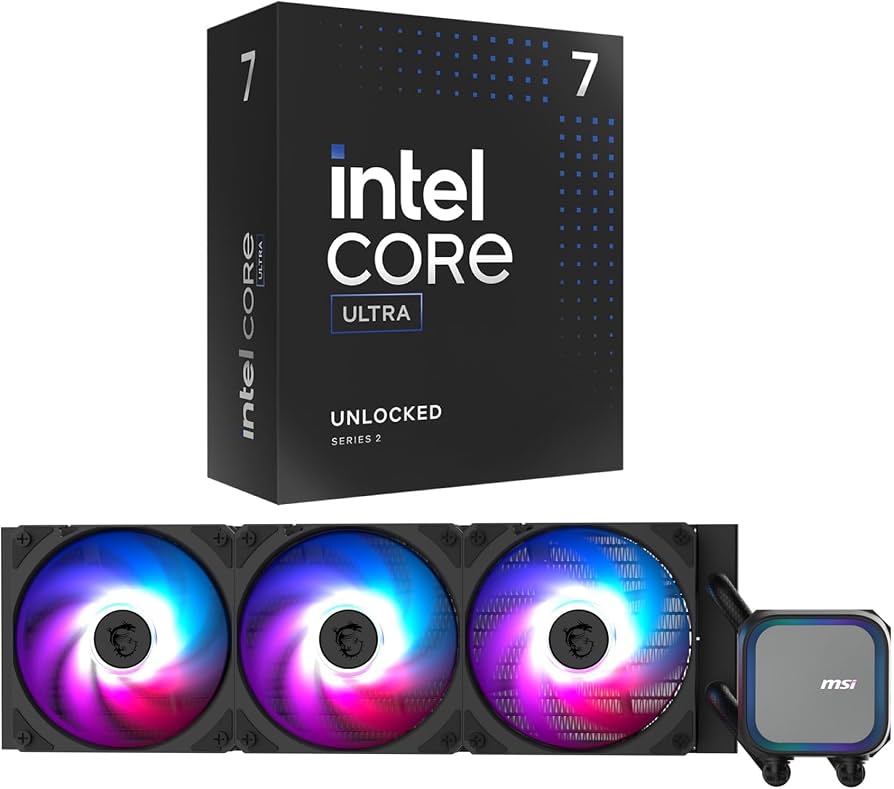
Choose tools that balance initial cost with long-term efficiency. The following products are selected for their ability to handle ZK workloads without excessive overhead.

As an Amazon Associate, we may earn from qualifying purchases.
Zero-knowledge proofs 2026: what to check next
Zero-knowledge proofs (ZKPs) are shifting from experimental cryptography to standard infrastructure for digital privacy. As these tools become embedded in identity verification, compliance checks, and DeFi settlements, practical questions about security and usability arise. This section addresses the most common concerns to help you evaluate ZK-Rollups and privacy stacks in 2026.
No comments yet. Be the first to share your thoughts!