
Zero-knowledge proofs 2026 limits to account for
By 2026, zero-knowledge proofs (ZKPs) have shifted from theoretical cryptography to a core requirement for GDPR compliance. The European Union’s strict data minimization principles clash with traditional logging and analytics, but ZKPs resolve this conflict by allowing systems to verify data validity without exposing the underlying personal information.
This shift is driven by the ZKProof initiative, an open-industry academic effort mainstreaming ZKP standards. As seen in their 2026 Rome conference, the focus is now on practical implementation in identity verification, age checks, and credential audits. Companies can now prove a user is over 18 or holds a valid license without ever storing or transmitting their birthdate or license number.
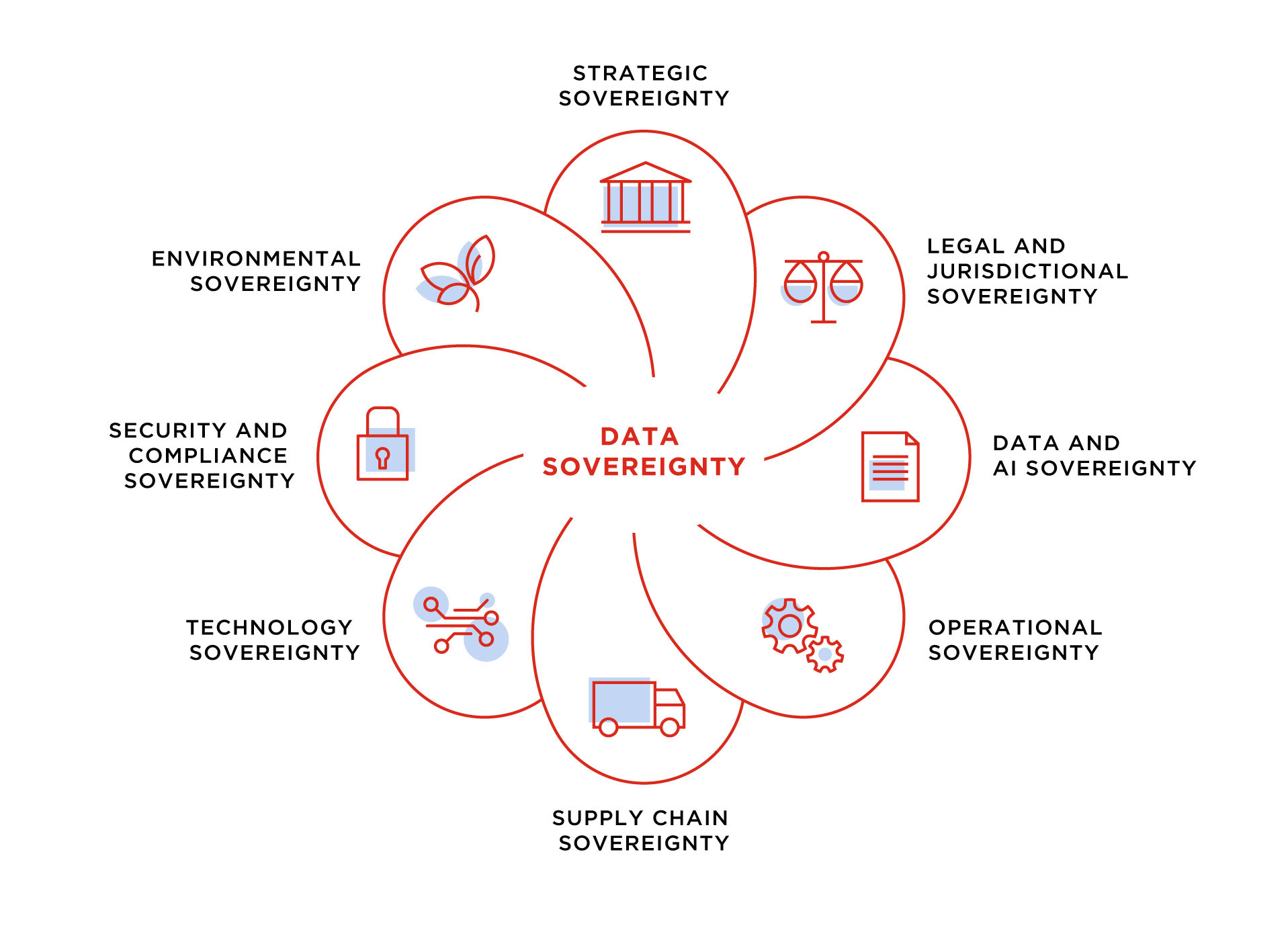
For legal teams, this means a fundamental change in data sovereignty. You no longer need to hoard raw PII to satisfy regulatory audits. Instead, you store cryptographic proofs that can be verified in real-time. This reduces your attack surface and aligns directly with the GDPR’s requirement to process only what is strictly necessary.
The constraint is no longer computational cost, but standardization. With ZKProof establishing clear benchmarks in 2026, enterprises can adopt these protocols with confidence, knowing they meet emerging industry norms for privacy-preserving compliance.
Zero-knowledge proofs 2026 choices that change the plan
Adopting zero-knowledge proofs (ZKPs) for GDPR compliance in 2026 requires balancing cryptographic complexity against regulatory clarity. While ZKPs offer a path to data sovereignty by proving statements without revealing underlying data, they introduce significant operational overhead. Organizations must evaluate which proof systems align with their infrastructure and legal obligations.
The choice between proof systems often hinges on verification speed and proof size. For example, zk-SNARKs offer small proof sizes but require a trusted setup, which some compliance officers view as a risk. zk-STARKs avoid trusted setups and are quantum-resistant but generate larger proofs, impacting storage and transmission costs. Bulletproofs offer a middle ground for specific use cases like confidential transactions but lack universal composability. The decision directly impacts your ability to scale privacy-preserving identity checks or age verifications without compromising user experience.
Regulatory acceptance is another critical factor. The ZKProof initiative, with its upcoming standardization efforts in Rome in May 2026, aims to create industry-wide benchmarks for ZKP security and interoperability. Aligning with these emerging standards can future-proof your compliance strategy, but it also means waiting for mature tooling. Early adopters may face higher integration costs as libraries evolve.
| Feature | zk-SNARKs | zk-STARKs | Bulletproofs |
|---|---|---|---|
| Proof Size | Small | Large | Medium |
| Trusted Setup | Required | Not Required | Not Required |
| Quantum Resistance | No | Yes | No |
| Verification Speed | Fast | Slower | Fastest |
Implementation also demands careful consideration of the "privacy stack." In 2026, ZKPs are increasingly integrated into identity and credential verification layers. However, the overhead of generating proofs on-device can slow down user flows. Organizations must decide whether to offload proof generation to servers, which may reintroduce trust assumptions, or keep it local for maximum privacy. This tradeoff between performance and trust is central to any GDPR-compliant ZKP architecture.
"In 2026, zero-knowledge proofs are moving into identity, compliance, age verification, credential checks, settlement proofs, and privacy- stacks."
Ultimately, the "right" proof system depends on your specific threat model and regulatory jurisdiction. For high-throughput applications like financial settlements, zk-SNARKs may be preferred for their efficiency. For long-term data archiving where quantum threats are a concern, zk-STARKs offer better security guarantees. Always consult with legal counsel to ensure your chosen cryptographic primitives meet local data protection requirements.
Build a practical ZKP decision framework
Zero-knowledge proofs (ZKPs) are shifting from experimental cryptography to a core component of 2026 privacy infrastructure. For organizations balancing GDPR compliance with data sovereignty, the challenge is no longer whether ZKPs work, but how to integrate them without breaking existing workflows.
A practical decision framework starts with identifying which data flows actually require proof without disclosure. Not every compliance need demands zero-knowledge cryptography. Some scenarios are better served by standard encryption or access controls. The goal is to deploy ZKPs only where they solve a specific friction point: proving eligibility, age, or solvency without exposing the underlying personal data.
The ZKProof consortium continues to drive standardization, ensuring that implementations remain interoperable and legally defensible. As these standards mature in 2026, organizations can move away from custom, fragile implementations toward audited, protocol-based solutions. This shift reduces legal risk and simplifies the audit trail required by regulators.
The following steps outline how to structure a ZKP integration that aligns with these evolving standards.
Begin by auditing which personal data elements trigger GDPR obligations and which can be proven without exposure. Identify specific use cases where traditional data sharing creates unnecessary risk. Map these flows to ZKP capabilities, focusing on scenarios like age verification or credential checks where the proof is the value, not the data itself.
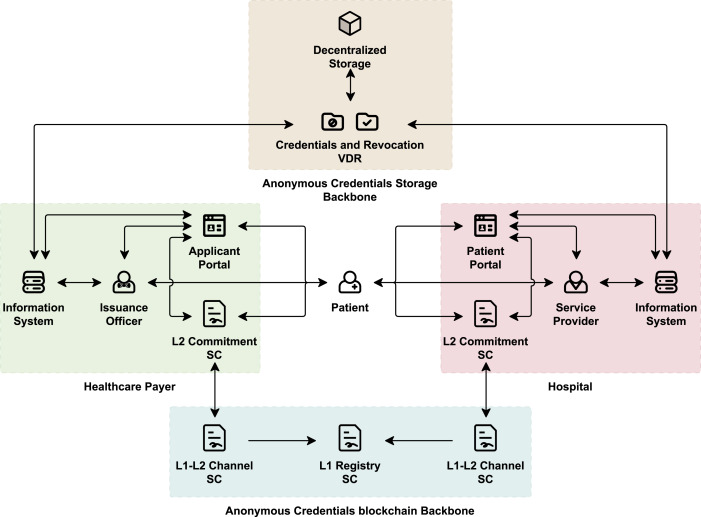
Avoid proprietary or custom cryptographic implementations. Instead, adopt standards supported by initiatives like ZKProof, which are actively mainstreaming ZKP cryptography through academic and industry collaboration. Using standardized circuits ensures that your proofs are verifiable by third parties and regulators, reducing the legal uncertainty associated with novel cryptographic claims.
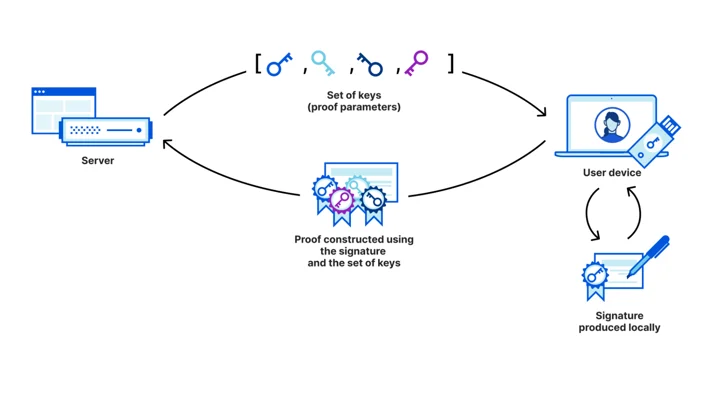
Connect ZKP generation to your existing identity providers or data warehouses. The system should generate proofs on-demand for specific compliance queries, such as verifying residency or employment status, without storing the raw data in the proof chain. This approach maintains data minimization principles while providing the necessary evidence for regulatory audits.
Checklist: ZKP Compliance Readiness
-
Audit data flows for ZKP suitability
-
Adopt ZKProof or equivalent open standards
-
Integrate with existing identity systems
-
Establish third-party verification protocols
Common ZK Compliance Pitfalls
Zero-knowledge proofs (ZKPs) are often marketed as a GDPR silver bullet, but implementation gaps create real liability. A common mistake is assuming that hiding data automatically satisfies the right to access or rectification. Under GDPR, you must still provide a mechanism for users to view, correct, or delete the underlying data that the proof validates. If your architecture only stores the cryptographic proof and discards the plaintext, you risk becoming non-compliant when a data subject exercises their rights.
Another weak option is relying on proprietary, unverified ZK circuits for compliance-critical logic. The ZKProof community emphasizes open-standard verification to ensure auditability. Without transparent, peer-reviewed circuits, regulators cannot verify that your proof actually demonstrates compliance without revealing private data. This opacity can stall audits or lead to rejection by enterprise partners who require demonstrable security guarantees.
Finally, avoid conflating zero-knowledge with anonymous transactions. ZKPs can prove attributes (like age or residency) without revealing identity, but they do not inherently prevent linkage if the same identifier is used across multiple proofs. For data sovereignty, you must implement distinct proving keys or session identifiers to prevent cross-service correlation. Ignoring this nuance undermines the privacy benefits you are trying to achieve.
Zero-knowledge proofs 2026: what to check next
As the regulatory landscape shifts, practical concerns about zero-knowledge proofs (ZKPs) are replacing theoretical debates. Below are the most common questions regarding ZKP implementation for GDPR compliance and data sovereignty in 2026.
No comments yet. Be the first to share your thoughts!