
What zero-knowledge proofs mean in 2026
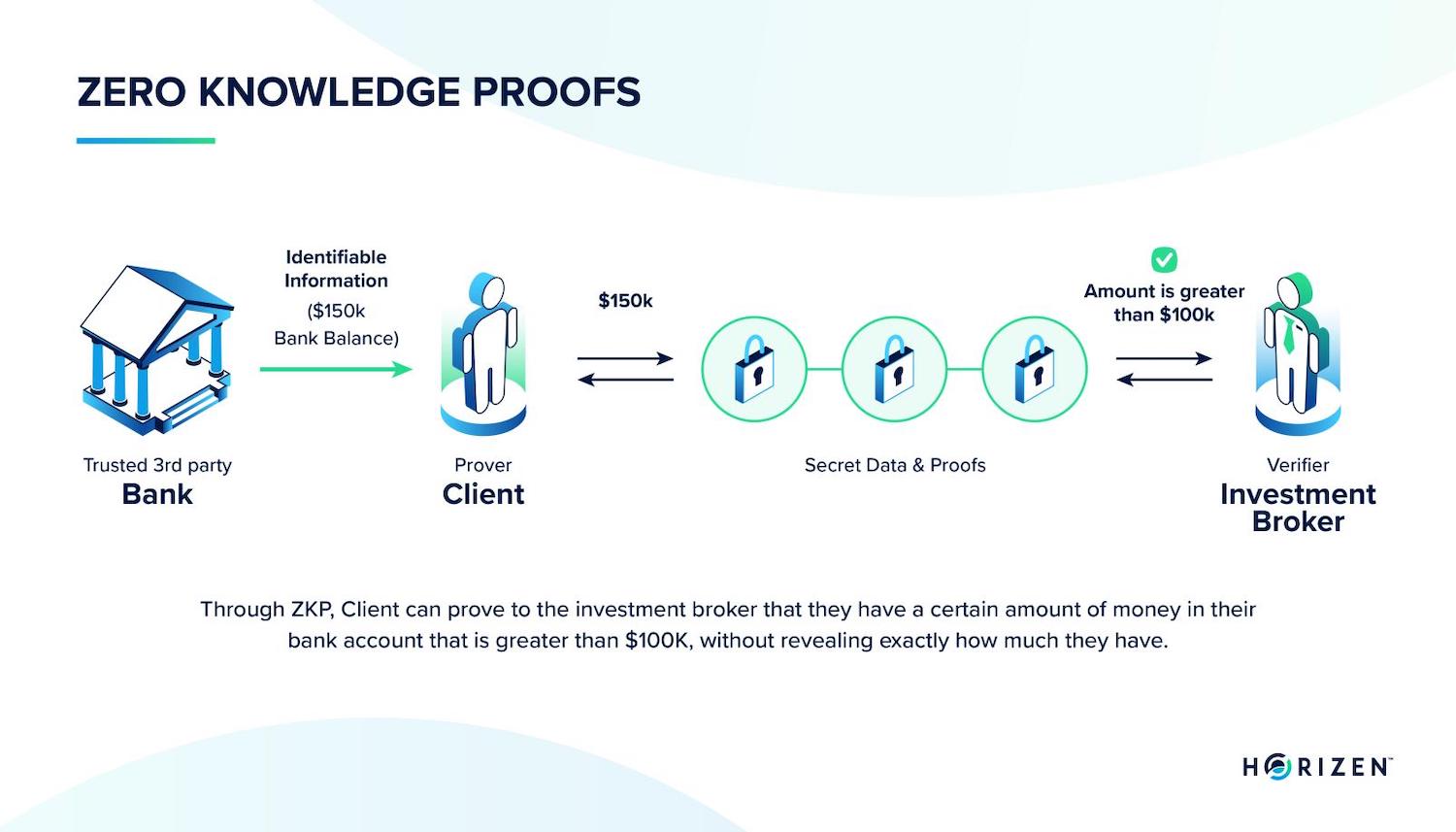
Zero-knowledge proofs (ZKP) in 2026 have shifted from experimental cryptography to a practical infrastructure layer for identity verification. The core promise remains unchanged: proving you possess specific attributes—like age, citizenship, or credential status—without revealing the underlying data. However, the technology’s maturity in 2026 is defined by its integration into real-world systems, particularly through ZK-Rollups that process these verifications at scale.
This year marks a critical transition where theoretical proofs are being standardized for interoperability. Initiatives like the 2026 ZKProof Standards conference in Rome are driving consensus on how these proofs should be formatted and validated across different blockchains and identity providers. This standardization is essential for moving beyond isolated pilots to a unified digital identity ecosystem where a proof issued by one entity is instantly recognized by another.
For users and businesses, the tradeoff is clear. While traditional KYC (Know Your Customer) processes require uploading sensitive documents to centralized servers, ZK-based verification keeps that data private. The cost is slightly higher computational overhead for proof generation, but as ZK-Rollups handle the heavy lifting of verification off-chain, the user experience is becoming nearly as fast as conventional methods, with significantly stronger privacy guarantees.
Zero-knowledge proofs 2026 choices that change the plan
Choosing a zero-knowledge proof system in 2026 requires balancing proof size, verification speed, and setup complexity. There is no single best protocol; the right choice depends entirely on whether you prioritize on-chain efficiency or developer flexibility. Ethereum’s EVM compatibility remains the primary constraint for most identity verification projects.
The table below compares the four dominant ZK circuits currently used in production environments. Each has distinct strengths depending on your infrastructure goals.
| Protocol | Proof Speed | Proof Size | Trusted Setup | Best Use Case |
|---|---|---|---|---|
| Plonk | Fast | Small | Universal | General-purpose identity |
| Binius | Very Fast | Very Small | None | High-throughput rollups |
| Halo2 | Moderate | Moderate | Universal | Complex circuit logic |
| Groth16 | Slow | Tiny | Specific | Low-cost verification |
Proof Size vs. Verification Time
Proof size directly impacts transaction costs. Smaller proofs like Groth16 cost less to verify on-chain but require significantly more time to generate. Plonk and Binius offer a balanced approach, allowing faster proof generation with acceptable on-chain costs. For identity verification, where users expect near-instant feedback, Binius is becoming the preferred choice for new implementations due to its linear-time prover.
Trusted Setup Requirements
A trusted setup involves a ceremonial key generation phase that must be performed securely. If the setup is compromised, attackers can forge proofs. Groth16 requires a specific, one-time setup for each circuit. Plonk and Halo2 support universal setups, meaning the same parameters can be reused across multiple circuits, reducing long-term risk. Binius eliminates the trusted setup entirely, relying on no trusted assumptions, which is ideal for high-security identity systems.
EVM Compatibility and Developer Experience
Ethereum’s EVM is the standard for most identity verification applications. Protocols like Plonk and Halo2 have mature tooling and extensive libraries, making development faster. Groth16 has the widest support but is increasingly seen as legacy for new projects due to its setup constraints. Binius is gaining traction but requires more specialized expertise. Developers should prioritize ecosystems with active ZKProof standards alignment to ensure future compatibility.
Decision Framework
Select Plonk or Halo2 if you need broad compatibility and mature tooling. Choose Binius if you are building a new high-throughput identity system and can invest in specialized development. Avoid Groth16 for new projects unless you have specific legacy constraints. Always verify your chosen circuit against the ZKProof standards for security audits.
Choose the next step
Zero-Knowledge Proofs works best as a clear sequence: define the constraint, compare the realistic options, test the tradeoff, and choose the path with the fewest hidden costs. That order keeps the advice usable instead of decorative. After each step, pause long enough to check whether the recommendation still fits the reader's actual situation. If it depends on perfect timing, unusual access, or a best-case budget, include a simpler fallback.

Spotting Weak ZK Identity Claims
Not every ZK-Rollup solution is ready for real-world identity verification. Many marketing materials conflate theoretical zero-knowledge proofs with production-grade identity systems, ignoring critical tradeoffs in latency and compliance. To separate viable options from weak ones, focus on concrete performance metrics rather than abstract promises.
The Latency Trap
Many projects claim "instant" verification, but this often ignores the prover's time. A proof might verify in milliseconds, but generating it could take minutes or hours depending on the circuit complexity. For identity checks requiring real-time KYC, high prover latency is a dealbreaker. Look for solutions that offer pre-computation or hardware acceleration, which reduce the time between user action and final verification.
Compliance Gaps
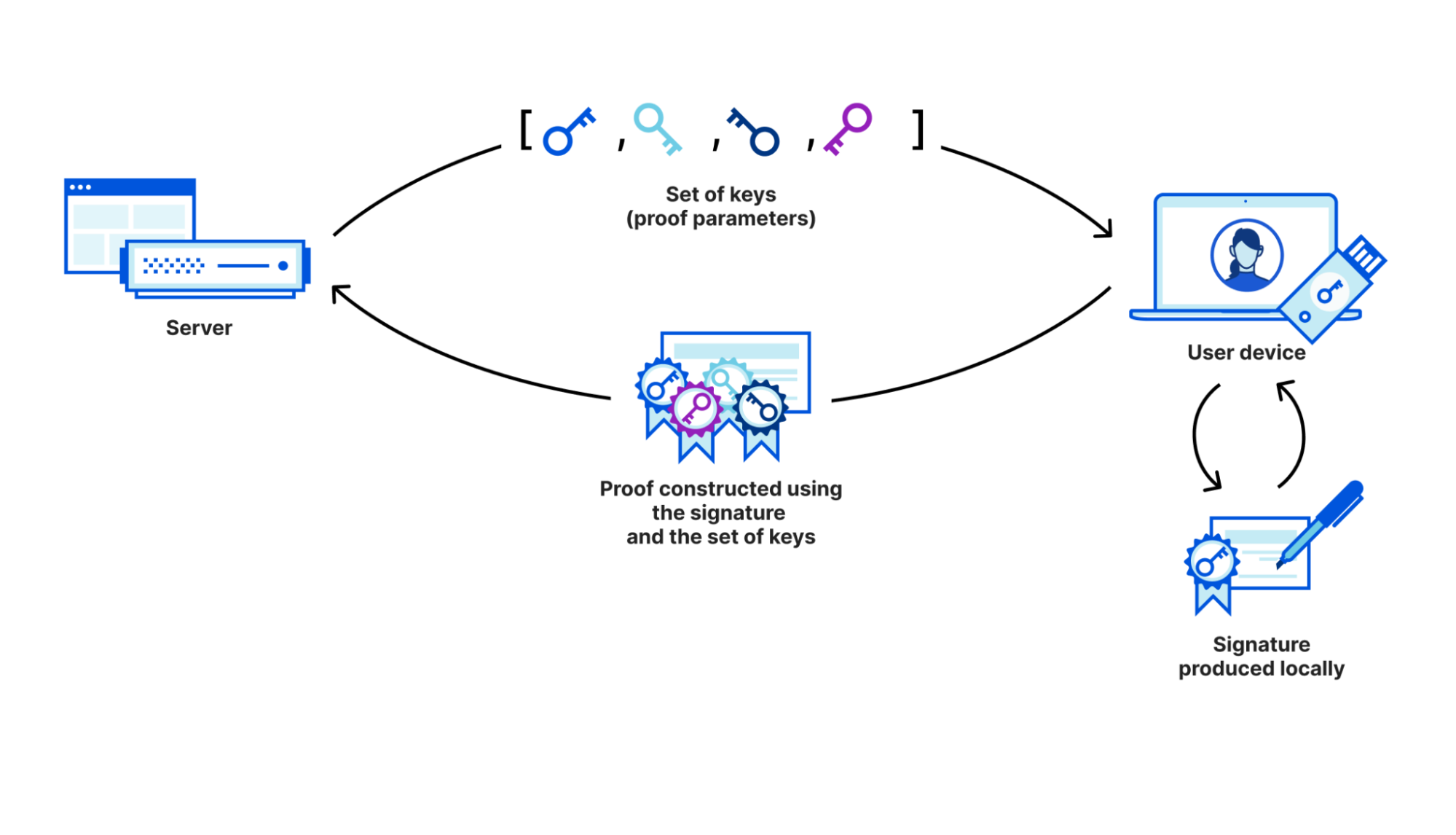
A strong ZK system must handle selective disclosure without leaking unnecessary data. Weak implementations often fail to support fine-grained attribute verification, forcing users to reveal their entire identity history to prove a single fact, like age or residency. This violates privacy principles and complicates GDPR compliance. Ensure the protocol supports zero-knowledge attributes that can be verified independently without exposing the underlying dataset.
Standardization Risks
Without adherence to established standards, proprietary ZK circuits can become obsolete or incompatible. The ZKProof initiative is working to mainstream these standards, but many projects still rely on custom, untested cryptography. Relying on non-standard implementations increases the risk of future vulnerabilities or integration failures. Prioritize solutions that align with open, audited standards to ensure long-term viability and interoperability across different identity providers.
Zero-knowledge proofs 2026: what to check next
Zero-knowledge proofs (ZKPs) have moved from academic theory to a practical standard for digital privacy. In 2026, the technology allows users to verify identity attributes—like age or residency—without exposing the underlying personal data. This shift is driven by the need for compliant yet private verification in finance, healthcare, and decentralized identity systems.
Below are the most common questions about how ZK-Rollups and ZKPs handle real-world identity verification today.
No comments yet. Be the first to share your thoughts!