
The zero-knowledge proofs 2026 limits to account for
In 2026, the primary barrier to enterprise adoption is no longer cryptographic theory; it is regulatory friction. Organizations must demonstrate that privacy-preserving transactions do not obscure illicit activity. This creates a paradox: how to verify compliance without revealing sensitive business data.
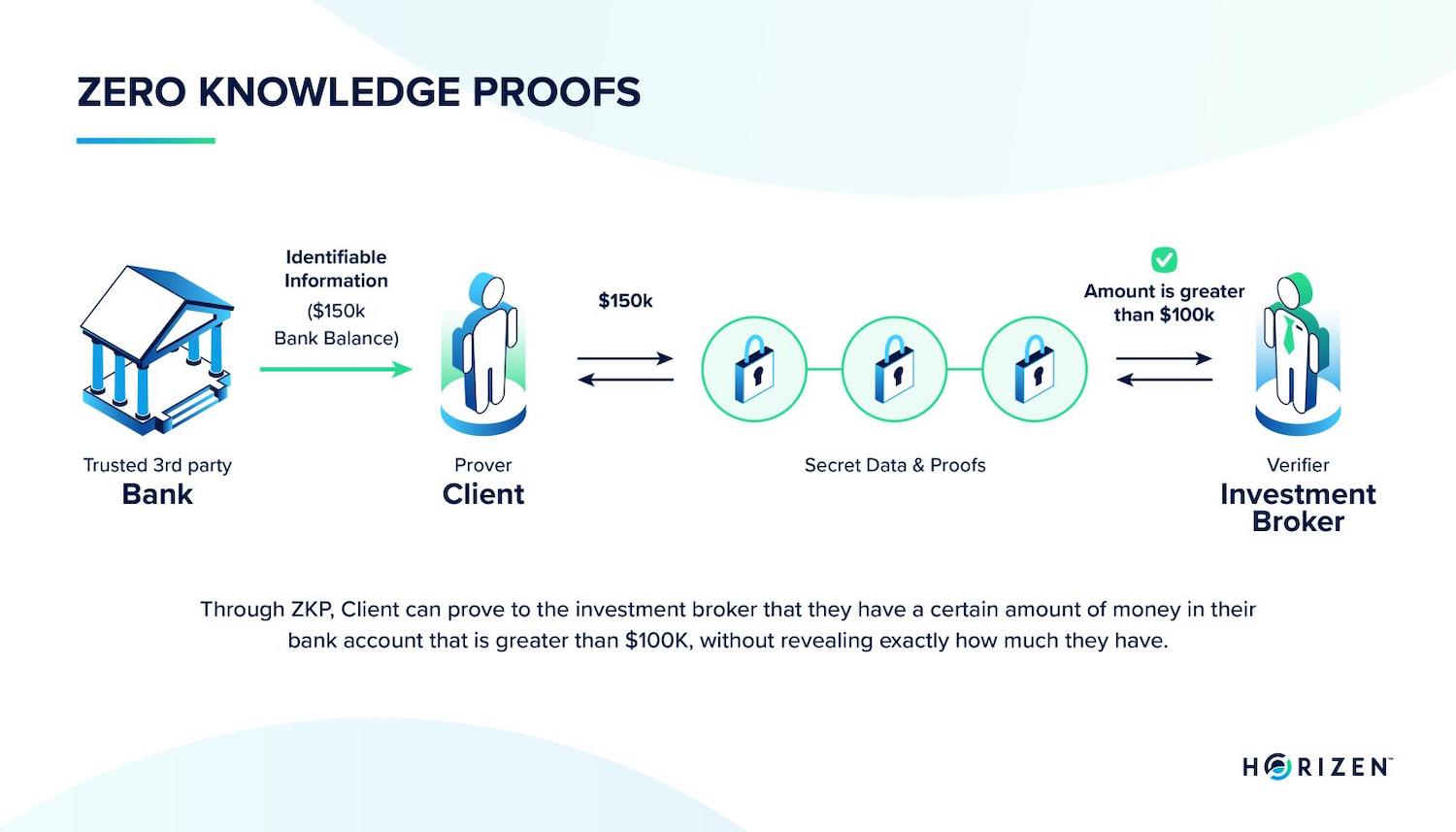
The solution lies in selective disclosure. Zero-knowledge proofs allow enterprises to prove they meet legal requirements—such as anti-money laundering checks or data residency rules—without exposing the underlying transaction details. This capability transforms privacy from a compliance risk into a verifiable asset.
Key developments in 2026 focus on interoperability. Standards bodies like ZKProof are establishing common languages for proofs, ensuring that a verification generated by one vendor is accepted by regulators and partners using another. This reduces the "proof silo" problem that plagued earlier implementations.
For legal and compliance teams, the shift is operational. Audits now rely on cryptographic verification rather than manual document review. This requires a new skill set: understanding proof systems, their limitations, and how they map to specific regulatory clauses. The technology is mature; the challenge is integrating it into existing governance frameworks.
Zero-knowledge proofs 2026 choices that change the plan
Evaluating zero-knowledge proof systems in 2026 requires balancing three competing priorities: computational speed, proof size, and cryptographic trust assumptions. Enterprise teams must choose protocols that align with their specific compliance and infrastructure constraints.
The table below compares the three dominant ZK architectures currently shaping enterprise adoption. Each has distinct operational implications for latency, storage, and regulatory auditability.
STARKs offer transparent security, eliminating the need for a trusted setup ceremony. This is critical for high-stakes financial applications where regulators require full transparency. However, their larger proof sizes can increase bandwidth costs for on-chain verification.
SNARKs provide the smallest proofs and fastest verification, making them ideal for high-throughput rollups. The tradeoff is the requirement for a trusted setup, which introduces a one-time cryptographic ceremony that must be securely managed to prevent key compromise.
Plonk sits in the middle, offering universal trusted setups and moderate proof sizes. It is gaining traction for general-purpose applications but still carries the inherent risks of trusted setup ceremonies compared to STARKs.
How to evaluate ZK-Rollups for enterprise compliance
ZK-rollups promise to solve the privacy-compliance paradox by allowing enterprises to prove data validity without exposing the underlying information. For legal and regulatory teams, this means shifting from trusting a counterparty to verifying a cryptographic proof. However, not all zero-knowledge implementations are created equal, and the choice of technology carries distinct legal and operational risks.
To navigate this landscape, use this decision framework to assess whether a ZK-Rollup solution fits your specific compliance requirements. This approach prioritizes verifiable standards over vendor marketing claims.
Prioritize solutions that adhere to established standards like ZKProof. These open-industry initiatives ensure that the cryptographic protocols have undergone peer review and community scrutiny. Relying on standardized frameworks reduces the risk of implementing untested or proprietary cryptography that may not hold up in regulatory audits.
Evaluate how long it takes to generate a proof. While ZK-rollups are fast to verify, the initial generation can be computationally expensive. For high-frequency trading or real-time compliance reporting, this latency may create bottlenecks. Ensure the solution’s throughput aligns with your transaction volume and regulatory reporting deadlines.
Determine if the protocol requires a "trusted setup." Some ZK systems rely on initial parameters that, if compromised, could allow an attacker to forge proofs. If your risk tolerance is low, seek protocols that eliminate this requirement or offer robust multi-party computation ceremonies to distribute trust. This is a critical distinction for high-stakes financial or healthcare data.
Ensure that the necessary transaction data is available on-chain or via a reliable data availability layer. ZK-rollups compress data, but if the original data is lost or inaccessible, the proof becomes unverifiable by external auditors. Compliance requires that regulators can reconstruct the transaction history from the available data, even if the details are hashed.
If your enterprise operates across multiple blockchains, verify that the ZK-proof can be verified on the target chain. Lack of interoperability can lock data into a single ecosystem, complicating audits and increasing operational friction. Choose solutions that support standard verification contracts across your preferred networks.
Engage legal counsel to review the smart contract code and its implications for liability. Even if the cryptography is sound, bugs in the contract logic can lead to irreversible losses or data leaks. Ensure that the contract’s behavior matches the intended legal agreement and that there are clear mechanisms for dispute resolution.
Before full deployment, run a pilot transaction through the ZK-Rollup. This allows your compliance team to observe the proof generation, verification, and data availability processes in a controlled environment. Use this test to validate that the solution meets all regulatory reporting requirements and does not introduce unexpected delays or errors.
-
Protocol aligns with ZKProof or equivalent industry standard
-
Proof generation latency meets operational requirements
-
Trusted setup is either eliminated or securely managed
-
On-chain data availability is guaranteed for audits
-
Cross-chain verification is supported for target networks
-
Smart contract has passed independent legal and security audit
-
Pilot transaction successfully validated by compliance team
Common ZK-Rollup Mistakes in Enterprise Deployments
Enterprise teams often treat Zero-Knowledge Rollups (ZK-Rollups) as a drop-in replacement for legacy databases, missing the specific architectural tradeoffs that cause compliance failures. The ZKProof standards body notes that mainstream adoption requires rigorous, community-driven validation, not just marketing claims about privacy. When organizations skip this validation phase, they encounter three frequent pitfalls that undermine both security and regulatory alignment.
Assuming Compliance is Automatic
A ZK-Rollup does not inherently satisfy GDPR or HIPAA requirements. The cryptographic proof only verifies computational integrity, not the legal status of the underlying data. If the off-chain data source contains PII that was collected without consent, the zero-knowledge proof merely proves you processed that illegal data correctly. Enterprises must implement separate data governance layers to ensure the inputs themselves are compliant before they enter the ZK circuit.
Overlooking Trusted Setup Risks
Many ZK systems rely on a "trusted setup" ceremony to generate public parameters. If this ceremony is compromised or if the secret randomness is retained, attackers can forge proofs. While newer protocols like STARKs avoid trusted setups, they come with larger proof sizes. Enterprise teams often choose faster, trusted-setup-based SNARKs for convenience without assessing the long-term security implications of retaining that secret. This creates a single point of failure that contradicts the decentralized ethos of the technology.
Ignoring Verification Costs
The primary bottleneck in ZK-Rollups is not generating the proof, but verifying it on-chain. Gas costs for verification can spike during network congestion, making transactions prohibitively expensive for small-value transfers. Some teams build rollups that work well in testing but fail under mainnet load. Always benchmark verification costs against your expected transaction volume and fee market conditions before committing to a specific ZK circuit design.
Zero-knowledge proofs 2026: what to check next
Enterprise teams evaluating ZK-rollups face specific technical and regulatory hurdles. These answers address the practical objections that typically stall adoption decisions in 2026.
These technical realities define the current landscape for zero-knowledge proof adoption. The tradeoff between computational overhead and privacy preservation remains the central challenge for enterprise architects.
No comments yet. Be the first to share your thoughts!