
The 2026 Constraint: Proof of Compliance
The primary challenge for zero knowledge proofs in 2026 is not generating the proof, but proving that the proof itself is valid to a regulated entity. In 2026, zero-knowledge proofs are moving into identity, compliance, age verification, credential checks, settlement proofs, and privacy-preserving audit trails. The constraint is clear: a cryptographic proof is only useful if the counterparty trusts the verification method.
This trust gap is why the ZKProof Standards initiative is critical. ZKProof is an open-industry academic initiative that seeks to mainstream zero-knowledge proof cryptography through rigorous standardization. Without these standards, a "zero-knowledge" claim is just marketing. In 2026, compliance requires verifiable, standardized proof systems.
For legal and regulatory teams, the focus shifts from abstract privacy to concrete verification. You must evaluate whether the ZKP implementation uses standardized circuits that auditors can review. If the proof system is proprietary or opaque, it fails the compliance test. The goal is to enable privacy without sacrificing auditability.
Zero-knowledge proofs 2026 choices that change the plan
As zero-knowledge proofs (ZKPs) move from experimental cryptography to the core of compliance infrastructure, teams must weigh concrete operational costs against privacy gains. The shift toward a "privacy stack" in 2026 means ZKPs are no longer just for anonymous transactions but for identity, age verification, and credential checks. This evolution brings specific tradeoffs in computational overhead, regulatory clarity, and implementation complexity that legal and engineering teams must evaluate side-by-side.
The following comparison outlines the primary tradeoffs across four critical dimensions for compliance-first Web3 projects deploying ZKPs in 2026.
Computational Overhead and Latency
The most immediate tradeoff is the asymmetry between proof generation and verification. Generating a zero-knowledge proof is computationally intensive, often requiring significant CPU or GPU resources. This makes it impractical for high-frequency, low-latency applications on consumer devices without optimization. Verification, however, is fast and cheap, which is ideal for blockchain networks. For compliance systems requiring real-time age verification or identity checks, this latency can be a bottleneck. Teams must decide whether to offload proof generation to trusted servers or optimize circuits for faster on-device generation, accepting higher initial development costs.
Regulatory Ambiguity and Standards
While the ZKProof community is advancing standards (e.g., the May 2026 Rome initiative), legal frameworks lag behind cryptographic capabilities. Regulators in the EU and US are still debating how to treat ZKPs under GDPR and AML laws. The tradeoff here is between innovation speed and legal safety. Relying on emerging academic standards provides technical robustness but no legal guarantee. Conversely, waiting for explicit regulatory guidance may delay deployment indefinitely. Projects must navigate this ambiguity by designing systems that are compliant by default, such as proving only the minimum necessary attributes (e.g., "over 18" rather than "date of birth").
Auditability vs. Privacy
Zero-knowledge proofs inherently obscure transaction details, which can conflict with traditional audit requirements. Financial regulators often require transparency to detect money laundering or fraud. The tradeoff is between user privacy and regulatory transparency. Some jurisdictions may require "zero-knowledge" systems to include controlled access mechanisms for law enforcement, which introduces trust assumptions and potential vulnerabilities. Projects must carefully design their circuits to balance these needs, potentially using selective disclosure techniques or integrating with trusted third-party auditors who can verify compliance without exposing raw user data.
Engineering and Operational Costs
Implementing ZKPs requires specialized knowledge in cryptography and circuit design, which is scarcer and more expensive than general blockchain development. The tradeoff is between long-term privacy benefits and short-term resource allocation. Teams must invest in training or hiring experts, which increases initial costs. However, once implemented, ZKPs can reduce long-term compliance costs by automating verification and minimizing data storage liabilities. The decision to adopt ZKPs should be weighed against the project's scale and the value of privacy to its users.
How to Choose the Right Zero-Knowledge Proof Stack for 2026
As zero-knowledge proofs (ZKP) move from experimental cryptography to core compliance infrastructure, selecting the right stack is a critical business decision. The landscape is shifting toward specialized "privacy stacks" that handle identity, age verification, and credential checks without exposing raw user data. This framework helps you evaluate options based on regulatory readiness, technical maturity, and specific use-case alignment.
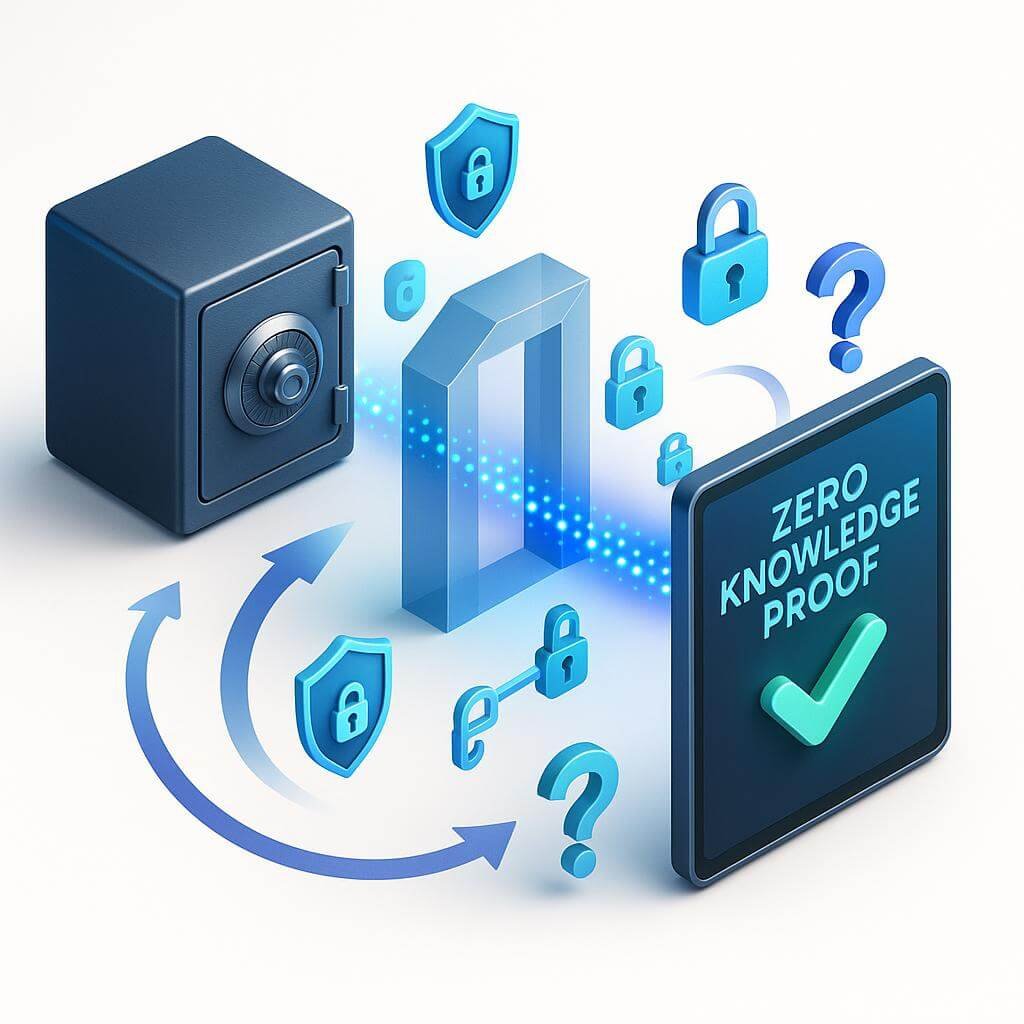
Start by mapping your jurisdictional obligations. Not all ZK implementations are created equal; some are designed for simple age verification, while others support complex financial settlement proofs. Identify which specific data points regulators require (e.g., proof of residency vs. proof of solvency) to avoid over-engineering your solution. Early alignment with bodies like the ZKProof initiative ensures your stack remains compliant as standards evolve in 2026.
Compare the underlying cryptography of each provider. Look for systems with extensive academic peer review and real-world deployment history. SNARKs (Succinct Non-Interactive Arguments of Knowledge) are generally preferred for on-chain verification due to their small proof size, while STARKs (Scalable Transparent Arguments of Knowledge) offer quantum resistance and transparent setup. Choose based on your need for speed versus long-term security guarantees.
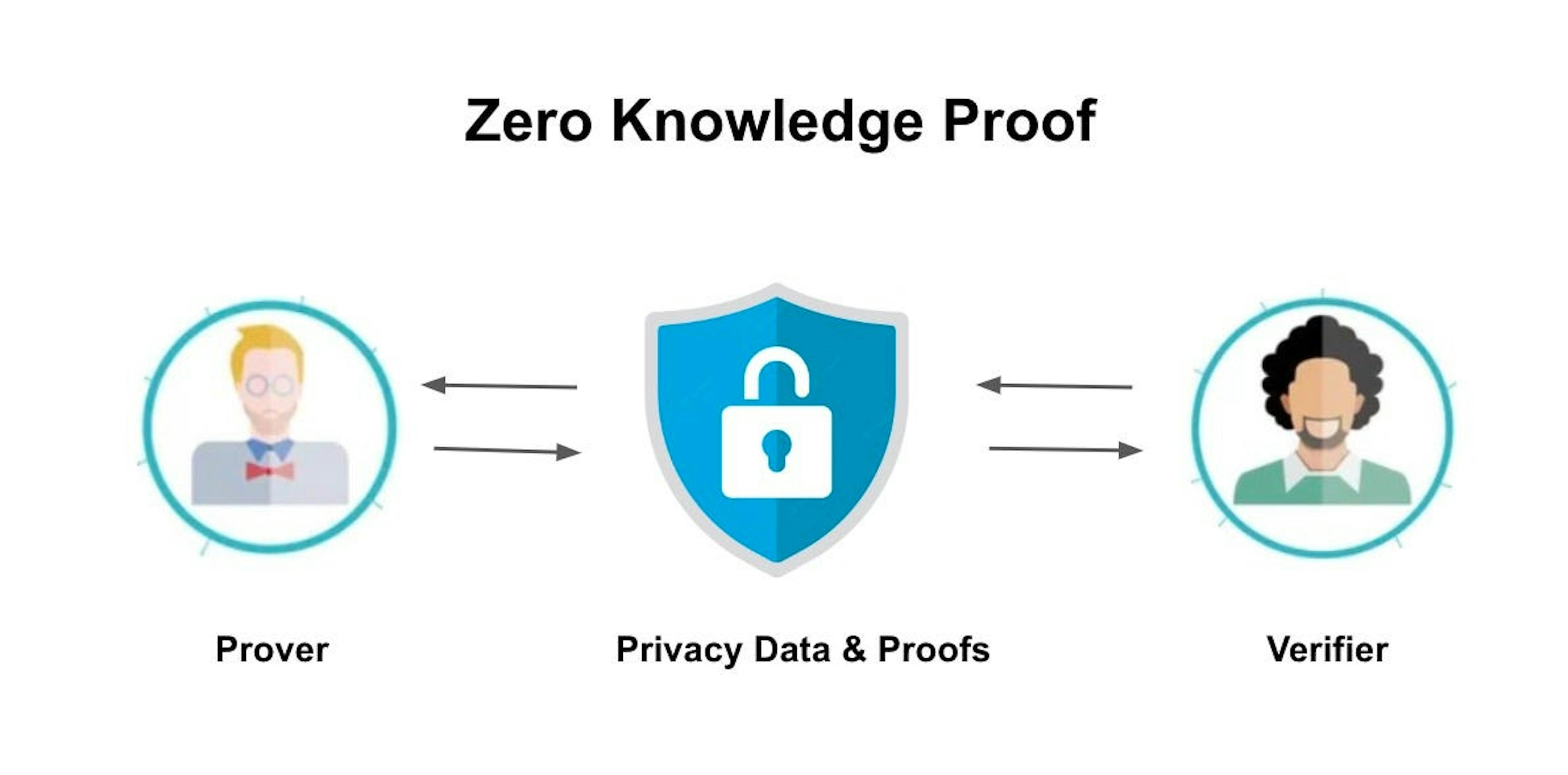
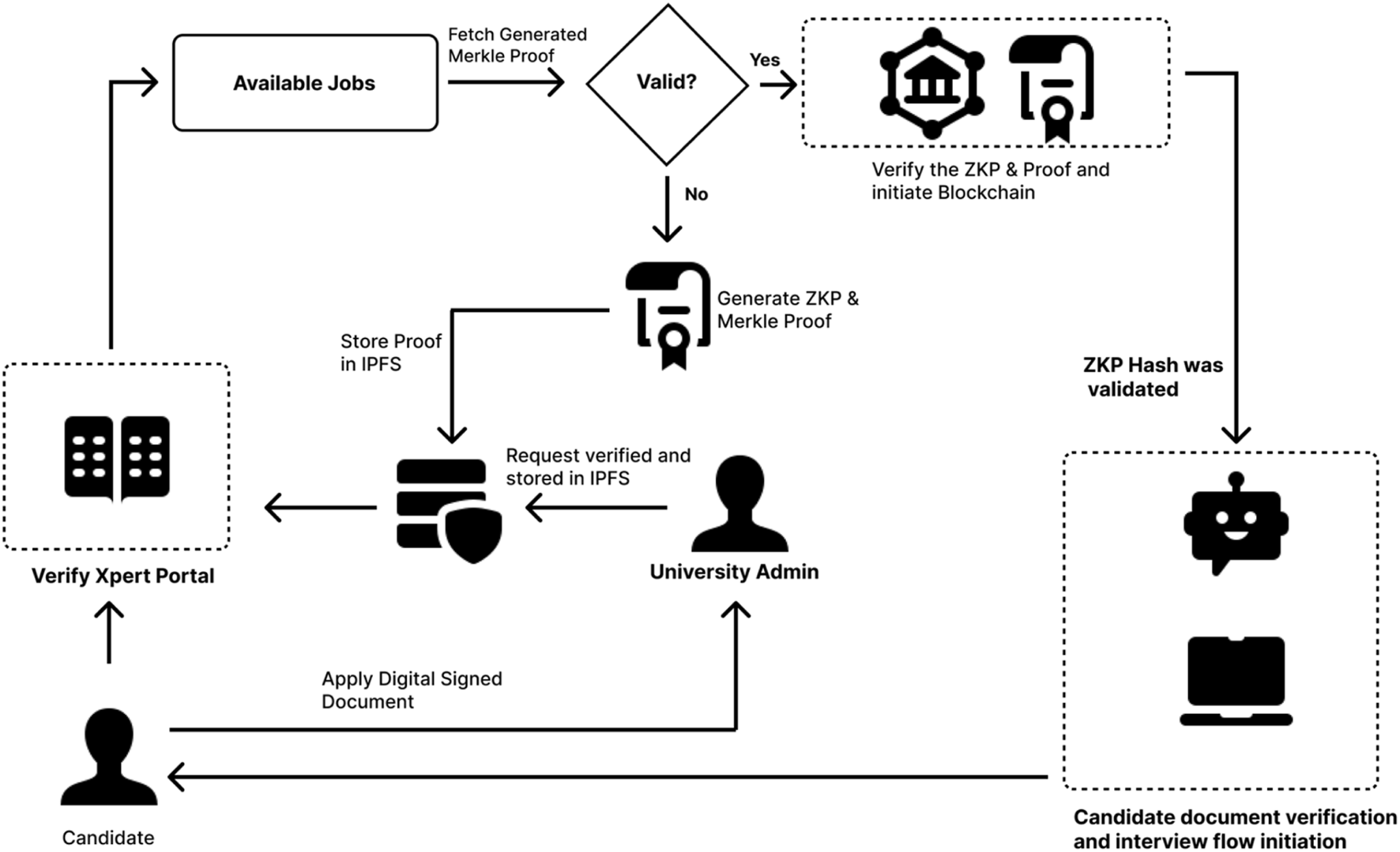
Ensure the stack supports seamless integration with existing identity providers. The best ZK solutions allow users to generate proofs from verifiable credentials issued by trusted authorities (like governments or banks) without revealing the underlying personal information. Verify that the provider offers SDKs or APIs that simplify the developer experience for integrating these checks into your user flow.
Run benchmarks on proof generation time and verification costs. Some systems are faster to generate proofs but more expensive to verify on-chain, while others reverse this trade-off. For high-volume applications like mass market age verification, low verification costs are paramount. For low-frequency, high-stakes transactions like settlement proofs, faster generation might be the priority.
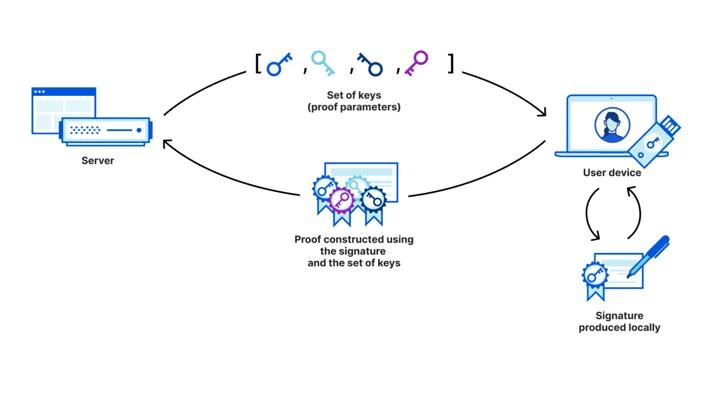
Finally, assess the vendor’s support infrastructure and community adoption. A robust ecosystem means better documentation, active developer communities, and faster resolution of bugs. Look for providers that are actively participating in standardization efforts, as this often correlates with long-term viability and interoperability with other compliance tools.
Spotting Weak Zero-Knowledge Claims
Zero-knowledge proofs are moving from theoretical cryptography to practical compliance tools in 2026, but the market is saturated with hype. As ZKProof standards begin to mainstream in Rome this May, it is critical to distinguish between genuine privacy infrastructure and marketing fluff. Many projects claim "compliance-first" status without offering verifiable proof mechanisms.
When evaluating ZK solutions, look for concrete implementation details rather than abstract promises. A legitimate product will specify which zero-knowledge circuit it uses, such as SNARKs or STARKs, and how it handles key generation. Avoid projects that refuse to disclose their cryptographic primitives or rely on trusted setups without transparent ceremony records. These are often red flags for security vulnerabilities.
Another common mistake is confusing general privacy with regulatory compliance. A proof that hides transaction data is useless if it cannot satisfy Know Your Customer (KYC) or Anti-Money Laundering (AML) requirements. Ensure the solution can generate selective disclosures—proving age or eligibility without revealing identity. If a platform claims full compliance but offers no mechanism for auditors to verify proofs, treat it with extreme caution.
Finally, check for active participation in standardization bodies like ZKProof. Projects contributing to open industry standards are more likely to maintain long-term security and interoperability. Disconnected, proprietary solutions often become obsolete or insecure as the ecosystem evolves. Prioritize tools that align with the growing ZK privacy stack, ensuring your compliance strategy is built on robust, auditable foundations rather than speculative claims.
Zero-knowledge proofs 2026: what to check next
As ZK technology matures from experimental cryptography to a regulatory expectation, compliance teams face new operational questions. The following clarifies how ZK proofs function in 2026, who defines the standards, and what trade-offs remain for enterprise adoption.
No comments yet. Be the first to share your thoughts!