
Zero-knowledge proofs 2026 limits to account for
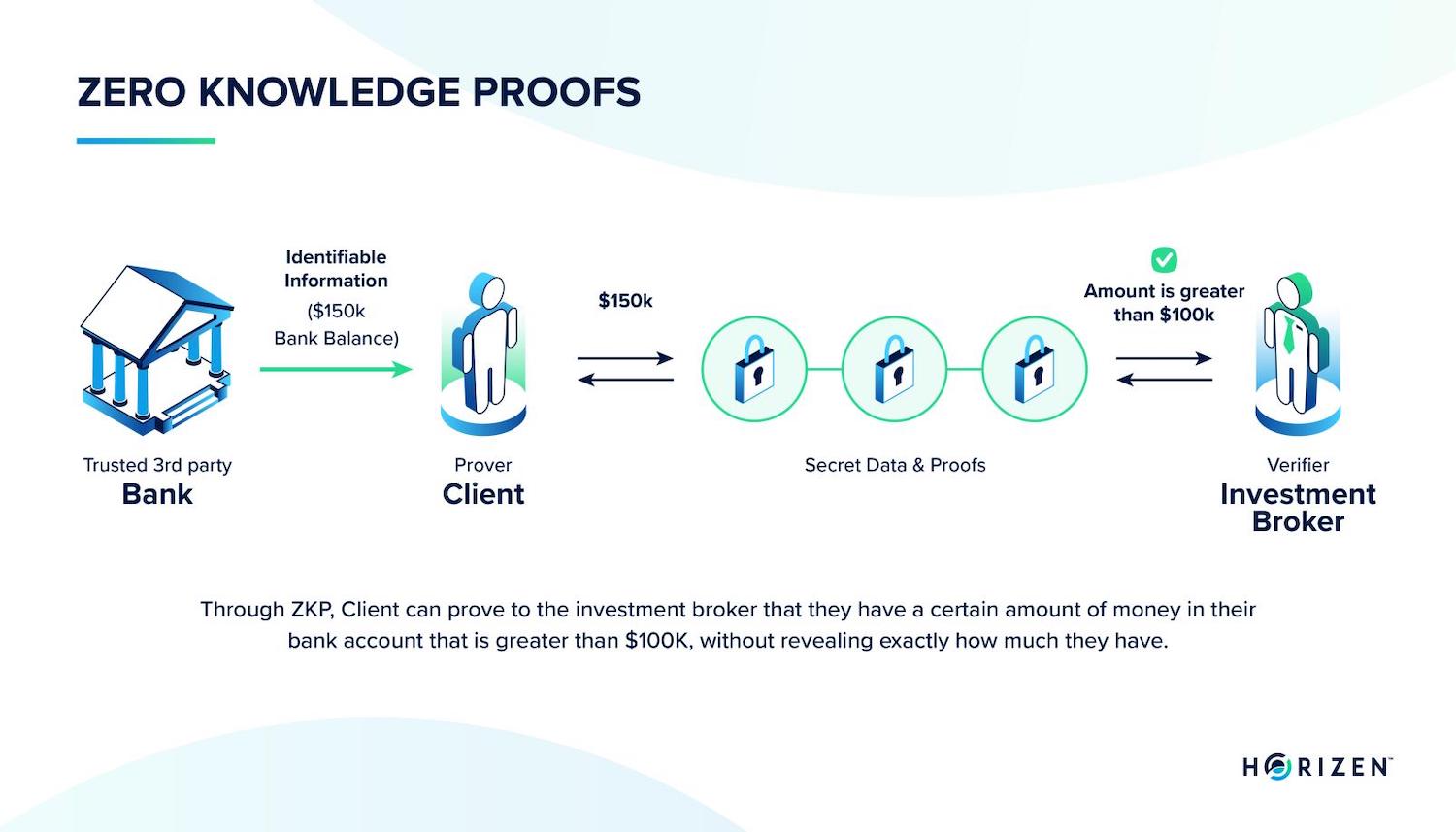
The question of whether zero-knowledge proof is the future is no longer theoretical. In 2026, ZK technology has shifted from experimental cryptography to a regulatory requirement for privacy-preserving compliance. The industry standard is moving toward systems where institutions can verify transaction validity without exposing sensitive data like amounts, senders, or receivers.
This shift is visible across major networks. The XRP Ledger recently integrated with Boundless to introduce native ZK verification, allowing institutions to audit transactions while maintaining confidentiality. Similarly, Cardano developers are implementing PLONK verifiers in Aiken, enabling smart contracts to off-chain heavy logic and prove results on-chain using tools like Circom and SnarkJS.
For compliance teams, the priority is no longer just privacy, but verifiability. ZK-Rollups allow data to be processed off-chain while the proof remains on-chain, satisfying both throughput needs and audit requirements. The constraint for 2026 is not technical feasibility, but standardization. The ZKProof initiative continues to drive this standardization, ensuring that proofs generated by different tools are mutually recognizable across chains.
| Network | ZK Status | Primary Use Case |
|---|---|---|
| XRP Ledger | Native ZK via Boundless | Institutional transaction verification |
| Cardano | PLONK Verifier in Aiken | Off-chain logic verification |
| Ethereum | ZK-Rollups Mainstream | High-throughput scaling |
Zero-knowledge proofs 2026 choices that change the plan
Choosing a zero-knowledge architecture in 2026 means balancing three competing forces: verification speed, proof generation cost, and cryptographic trust assumptions. As regulations like the EU’s eIDAS framework tighten around identity verification, the choice between STARKs, SNARKs, and PLONKs shifts from pure technical preference to regulatory alignment and economic scalability.
The table below compares the primary ZK proof systems based on 2026 industry benchmarks. Use this to determine which system aligns with your specific compliance and performance requirements.
SNARKs remain the standard for high-frequency transactions where speed is paramount. However, they require a trusted setup ceremony, which introduces a one-time security risk that must be managed carefully. If your use case involves sensitive financial data where users demand absolute mathematical certainty without relying on ceremony participants, STARKs are the safer choice despite their higher computational overhead.
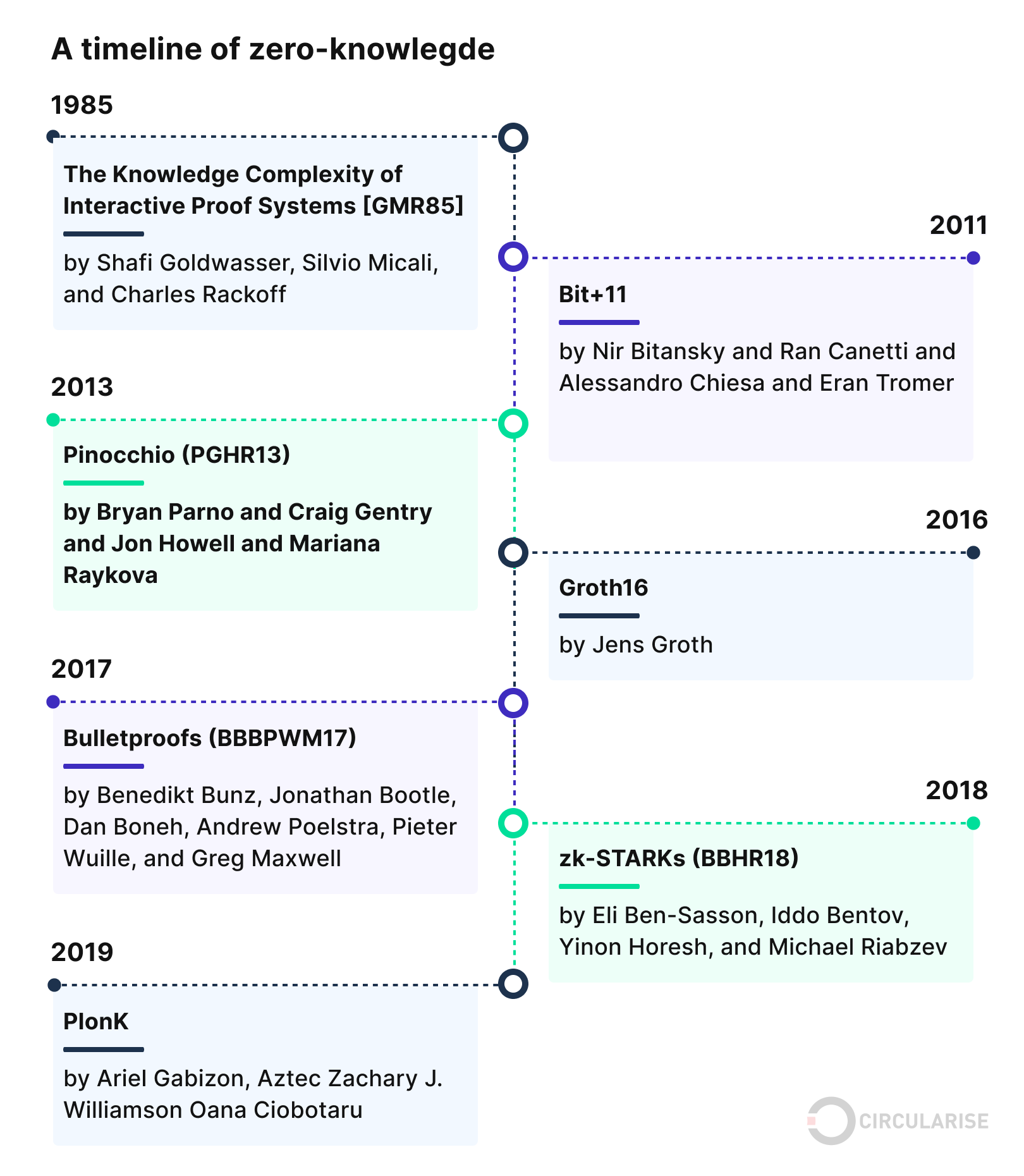
PLONKs offer a flexible middle ground, supporting arbitrary circuits with a single trusted setup. This makes them ideal for evolving protocols where the underlying logic changes frequently. For regulatory compliance, the choice often hinges on whether your auditors accept the trusted setup model or require the trustless guarantees of STARKs.
The market impact of these choices is visible in asset performance. As ZK-rollups gain traction, the underlying assets supporting them often see increased utility demand.
While the above chart illustrates broader market volatility, the specific adoption of ZK-tech in enterprise compliance is driving distinct value accrual to networks that support efficient proof verification. Understanding these tradeoffs ensures your compliance strategy remains robust against both technical and regulatory shifts.
How to choose the right ZK implementation
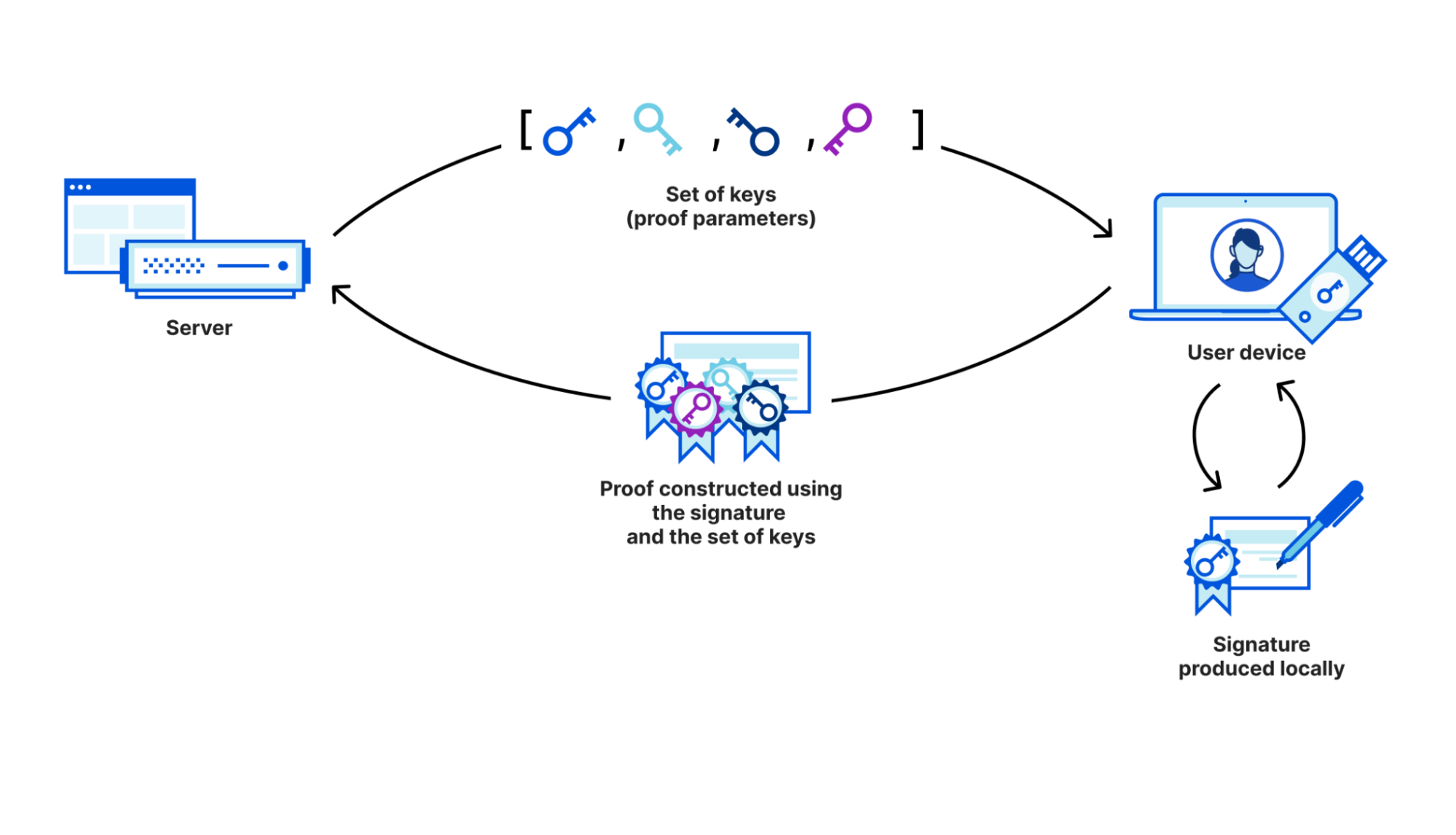
Zero-knowledge proofs are no longer theoretical; they are active infrastructure. Choosing an implementation requires matching the cryptographic standard to your specific compliance and performance needs. The decision rests on three pillars: the target chain’s native support, the required proof type (interactive vs. non-interactive), and the maturity of the verification ecosystem.
| Standard | Type | Best Use Case |
|---|---|---|
| PLONK | Universal | Off-chain logic verification (e.g., Cardano Aiken) |
| TRZKP | Non-Interactive | Future-proofed, asynchronous verification |
| STARKs | Quantum-Resistant | High-security, long-term compliance |
The choice between these standards depends on your timeline and security requirements. For immediate integration with existing smart contract platforms, PLONK offers the widest compatibility. For long-term privacy preservation against quantum threats or asynchronous verification needs, TRZKP and STARKs provide stronger future-proofing. Always validate your selection against the specific compliance mandates of your jurisdiction.
Spotting Weak ZK-Rollup Options
Not every "privacy" or "compliance" claim holds up under scrutiny. In 2026, many projects use zero-knowledge proofs as a marketing label rather than a verified cryptographic standard. Before integrating a ZK-Rollup solution, you need to distinguish between proven infrastructure and speculative marketing.
Red Flags to Watch For
Unverified Circuits: If a project does not publish its circuit code or link to an independent audit from firms like ZKProof or Trail of Bits, treat it as a black box. Security in ZK-Rollups depends on mathematical rigor, not brand promises.
Slow Finality Claims: Some rollups claim instant finality but rely on centralized sequencers. True decentralization requires a trust-minimized verification process. Check if the rollup posts proofs on a public L1 chain, which allows anyone to verify the state root.
Compliance Gaps: Privacy does not equal anonymity. Ensure the solution supports selective disclosure for regulatory reporting. If the system cannot generate audit trails for specific transactions, it will fail enterprise compliance checks.
The Verdict
Prioritize solutions with open-source circuits and third-party audits. Avoid projects that treat ZK proofs as a closed feature rather than a verifiable protocol layer.
No comments yet. Be the first to share your thoughts!