
Defining the 2026 ZK landscape
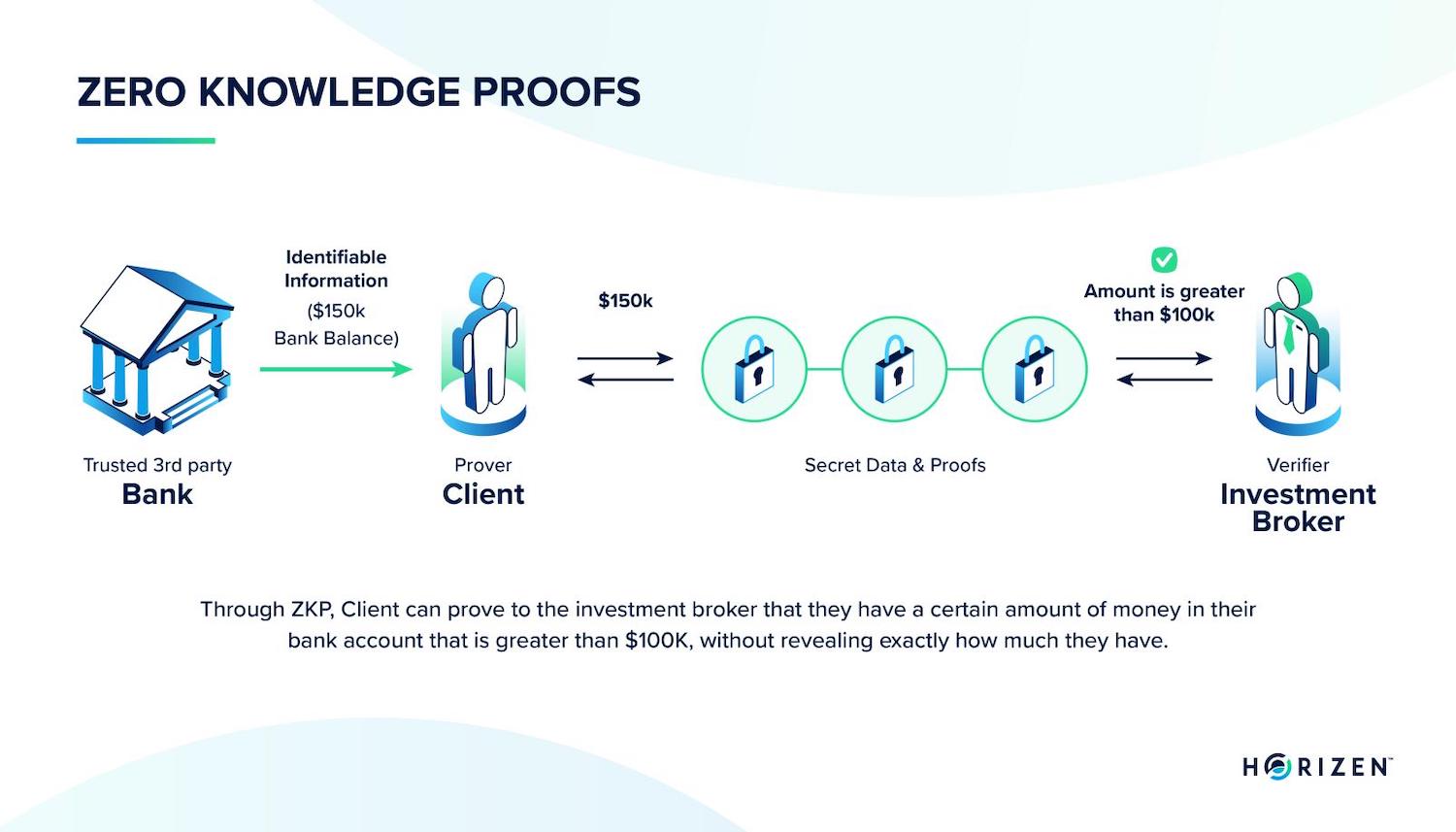
In 2026, zero-knowledge proofs (ZKPs) have transitioned from theoretical cryptography to a foundational infrastructure layer for blockchain compliance. At their core, ZKPs allow a prover to demonstrate the validity of a statement to a verifier without revealing the underlying data. This distinction is critical for high-stakes regulatory environments where data privacy and transactional integrity must coexist.
The practical application of this technology is most visible in ZK-rollups, which batch thousands of transactions off-chain and submit a single cryptographic proof to the main chain. This approach significantly reduces gas costs and increases throughput while maintaining the security guarantees of the underlying ledger. For legal and regulatory analysis, the focus remains on how these proofs can be structured to satisfy compliance requirements—such as Know Your Customer (KYC) checks—without compromising user privacy.
Official resources from ethereum.org define the protocol as a method where the prover generates a proof that the verifier can check efficiently. This efficiency is what enables ZKPs to scale, making them viable for enterprise-grade applications. As the landscape evolves, the tension between complete anonymity and regulatory transparency continues to drive innovation in proof systems.
ZK-rollups regulation and market data
The intersection of cryptographic privacy and financial compliance defines the current trajectory of ZK-rollups. While the technology offers a mechanism for institutions to prove transaction validity without exposing sensitive data, regulatory frameworks remain fragmented. This tension creates a complex environment where market adoption is driven by the ability to balance zero-knowledge guarantees with auditability requirements.
Ethereum serves as the primary settlement layer for most ZK-rollup implementations. As the network processes these proofs, the market value of ETH reflects broader sentiment regarding scalable, privacy-preserving infrastructure. Live data from TradingView provides a real-time view of this correlation, linking regulatory clarity to asset performance.
Regulatory scrutiny focuses on whether ZK-rollups facilitate illicit activity or enhance transparency. The ZKProof community and Ethereum.org provide technical standards that help developers design compliant architectures. However, legal interpretations vary by jurisdiction, creating uncertainty for enterprise adoption. Market participants must weigh the benefits of data privacy against the potential for increased regulatory oversight.
The following chart illustrates the price action of Ethereum, serving as a proxy for the health and adoption of ZK-rollup ecosystems. A stable or rising trend often indicates growing confidence in the underlying technology’s ability to satisfy both privacy and compliance demands.
Comparing ZK Privacy Models
Implementing zero-knowledge proofs requires selecting a model that balances cryptographic privacy with regulatory visibility. The choice between private transactions and identity verification hinges on whether the primary goal is transactional anonymity or compliant credential validation. While Ethereum.org defines zero-knowledge proofs as a method to prove validity without revealing the underlying statement, the practical application diverges significantly based on the use case ethereum.org.
Institutional adoption often prioritizes the latter, using ZKPs to verify compliance attributes—such as Know Your Customer (KYC) status or accreditation—without exposing sensitive personal data. This approach allows institutions to maintain trading flow confidentiality while satisfying audit requirements, a balance described by Nethermind as a critical opportunity in blockchain finance nethermind.io.
The following comparison outlines the tradeoffs between these two primary implementation strategies.
| Model | Privacy Level | Regulatory Visibility | Computational Cost |
|---|---|---|---|
| Private Transactions | High | Low (Obfuscated) | High |
| ZK Identity | Selective Disclosure | High (Verifiable Claims) | Medium |
| ZK Rollups (Validium) | Medium | Low (Off-chain Data) | Low |
| ZK Rollups (Validity) | Low (On-chain Data) | Medium | High |
Standardization and community signals
The transition of zero-knowledge proofs from experimental cryptography to a regulated financial instrument depends heavily on standardized frameworks. Without a unified technical baseline, compliance teams cannot reliably audit privacy-preserving transactions. The ZKProof initiative serves as the primary academic and industry body working to establish these standards. Their open-industry approach aims to mainstream ZKP cryptography through inclusive, community-driven development, ensuring that protocols are both mathematically sound and legally interpretable.
Regulatory acceptance requires more than just cryptographic strength; it demands predictable implementation. The upcoming 8th ZKProof Workshop in Rome, scheduled for May 9–10, 2026, signals the growing institutional interest in formalizing these protocols. Submissions for this workshop focus on bridging the gap between theoretical proofs and practical, compliant deployment. This standardization effort is critical for enterprises seeking to integrate ZK technology into existing compliance workflows without introducing legal ambiguity.
Community sentiment further accelerates this adoption by highlighting practical tradeoffs. Recent discussions on Ethereum.org and broader developer forums emphasize that privacy features must not obscure audit trails for regulatory bodies. The consensus among these communities is that compliance and privacy are not mutually exclusive but require careful architectural design. ZK rollups that prioritize transparent verification keys while hiding transaction data are gaining traction as the viable middle ground.
No comments yet. Be the first to share your thoughts!