
The 2026 compliance shift for ZK proofs
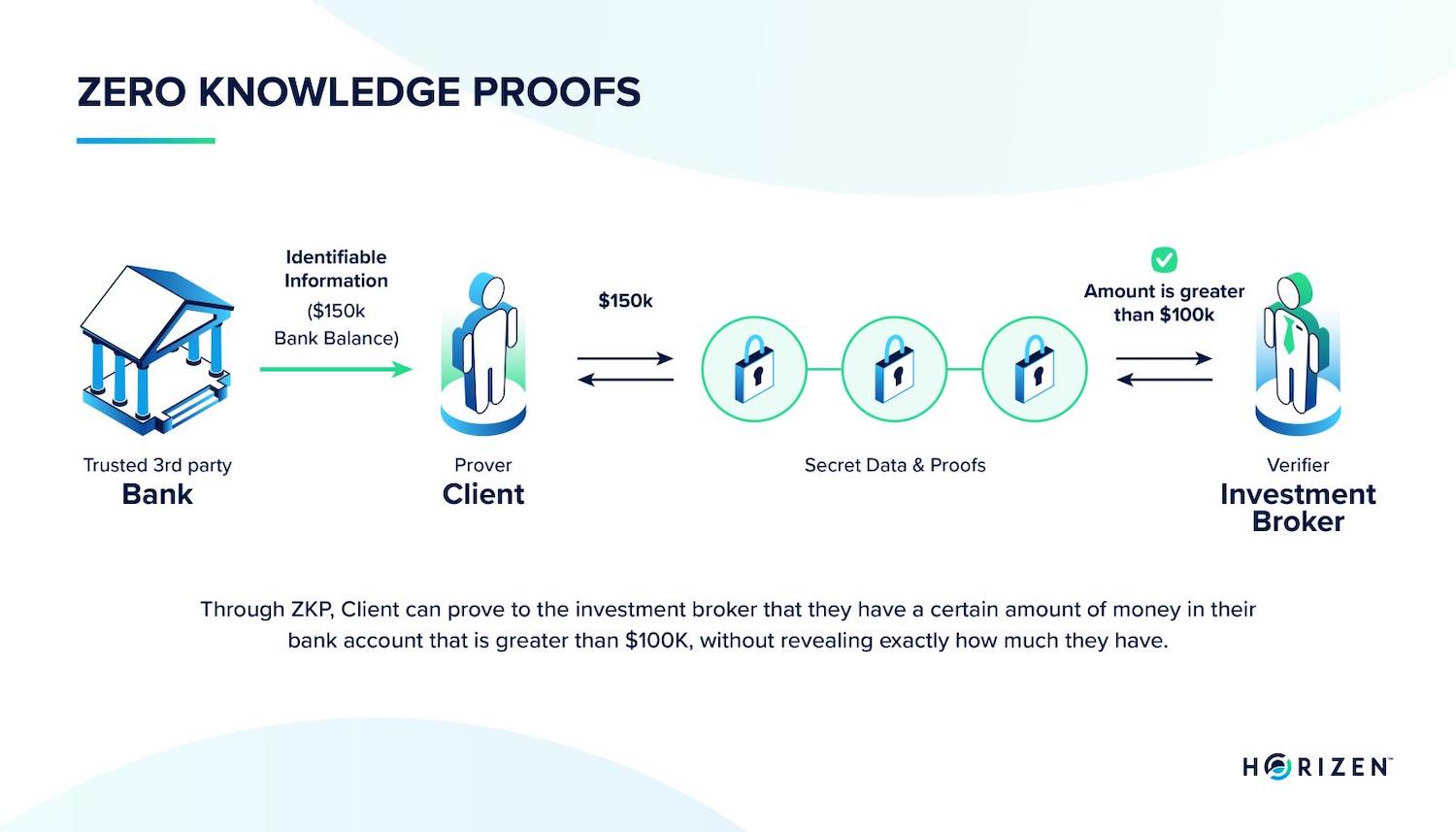
Zero-knowledge proofs are transitioning from experimental cryptography to a foundational requirement for digital compliance. This shift is driven by the convergence of mature ZKProof standards and new regulatory frameworks, most notably the European Union’s eIDAS 2.0 regulation, which takes effect in 2026. For the first time, legal mandates explicitly recognize cryptographic proofs as valid mechanisms for meeting identity and data protection requirements.
The ZKProof initiative has played a critical role in this maturation. By establishing open-industry academic standards, ZKProof.org has moved the technology from theoretical papers to verifiable, community-driven implementations. This standardization allows enterprises to deploy zero-knowledge systems with confidence that the underlying cryptography meets rigorous security benchmarks. As noted by major technology providers, these libraries are now open source and ready for integration into age assurance and identity verification systems.
Regulatory clarity has removed the primary barrier to adoption. Previously, compliance teams hesitated to adopt zero-knowledge proofs due to uncertainty about their legal standing. With eIDAS 2.0 providing a clear framework for electronic identification and trust services, organizations can now use ZK proofs to demonstrate compliance without exposing sensitive personal data. This alignment between technical capability and legal requirement marks a pivotal moment for privacy-preserving technology.
The market is responding to this regulatory certainty. As compliance becomes a technical specification rather than a legal gray area, investment in ZK infrastructure is accelerating. The following chart illustrates the market sentiment surrounding zero-knowledge related assets, reflecting the growing institutional confidence in this technology as a compliance tool.
Comparing ZK Architectures for Identity
Decentralized identity systems must balance cryptographic privacy with regulatory compliance. As of 2026, three primary architectural approaches dominate the landscape: zk-SNARKs, zk-STARKs, and Fully Homomorphic Encryption (FHE). Each offers distinct trade-offs in proof size, verification speed, and post-quantum security posture.
For identity verification, the choice of architecture dictates how effectively a system can prove attributes (such as age or citizenship) without revealing underlying personal data. Regulatory bodies increasingly scrutinize these systems for "right to be forgotten" compliance and auditability. Consequently, the technical specifications of each proof system must align with legal standards for data minimization and verifiability.
The following comparison outlines the core technical characteristics of each approach as they apply to identity infrastructure.
| Architecture | Proof Size | Verification Time | Quantum Resistance | Compliance Fit |
|---|
No comments yet. Be the first to share your thoughts!