
ZK-Rollups defined for 2026
ZK-rollups have emerged as the dominant scaling solution for Ethereum in 2026, offering a balance of high throughput and rigorous security. Unlike optimistic rollups, which assume transactions are valid until challenged, ZK-rollups generate a cryptographic proof for every batch of transactions. This proof is submitted to the Ethereum mainnet, allowing the network to verify thousands of state transitions in a single step without re-executing them.
The mechanism relies on zero-knowledge proofs, a method of proving the validity of a statement without revealing the statement itself. In this context, the "prover"—typically a sequencer or node operator—generates a succinct proof (such as a zk-SNARK or zk-STARK) that confirms the new state root is correct. The "verifier" on-chain checks this proof against the previous state and the consensus rules. If the proof is valid, the state updates immediately, finalizing the transactions with the same security guarantees as the base layer.
This approach solves the latency issues associated with dispute periods. Users can interact with ZK-rollup applications with near-instant finality, as there is no waiting period for fraud proofs. The computational cost of generating these proofs is borne off-chain, while the verification cost on-chain remains constant and low. This efficiency allows ZK-rollups to process significantly more transactions per second than the base Ethereum network, making them suitable for high-frequency trading, gaming, and complex DeFi operations.
The security model of ZK-rollups is distinct because it does not rely on economic slashing of validators or the vigilance of honest watchers. Instead, it depends on the mathematical soundness of the cryptographic proof system. As long as the underlying zero-knowledge protocol remains secure, the rollup state is immutable and verifiable. This makes ZK-rollups particularly attractive for institutional use cases where auditability and guaranteed finality are paramount.
SNARKs versus STARKs comparison
Use this section to make the Zero-Knowledge Proofs decision easier to compare in real life, not just on paper. Start with the reader's actual constraint, then separate must-have requirements from details that are merely nice to have. A practical choice should survive normal use, maintenance, timing, and budget. If a recommendation only works in an ideal situation, call that out plainly and give the reader a fallback path.
| Factor | What to check | Why it matters |
|---|---|---|
| Fit | Match the option to the primary use case. | A good deal still fails if it does not fit the job. |
| Condition | Verify age, wear, and service history. | Hidden condition issues erase upfront savings. |
| Cost | Compare purchase price with likely upkeep. | The cheapest option is not always the lowest-cost option. |
Privacy in decentralized identity
Decentralized identity (DID) systems use zero-knowledge proofs to let users prove attributes like age or citizenship without revealing underlying personal data. This technology enables identity verification while preserving privacy, shifting from data exposure to data minimization.
In traditional identity systems, verifying a claim often requires sharing the entire document or dataset. For example, proving you are over 18 typically means handing over a driver's license, which exposes your name, address, and license number. Zero-knowledge proofs change this dynamic. They allow a user (the prover) to demonstrate that a statement is true without exposing the underlying identity attributes.
This capability is particularly valuable in decentralized identity protocols. By generating a proof that a specific condition is met—such as holding a valid credential from a trusted issuer—users can interact with services without surrendering their personal data. The verifier can check the proof's validity without ever seeing the underlying identity attributes.
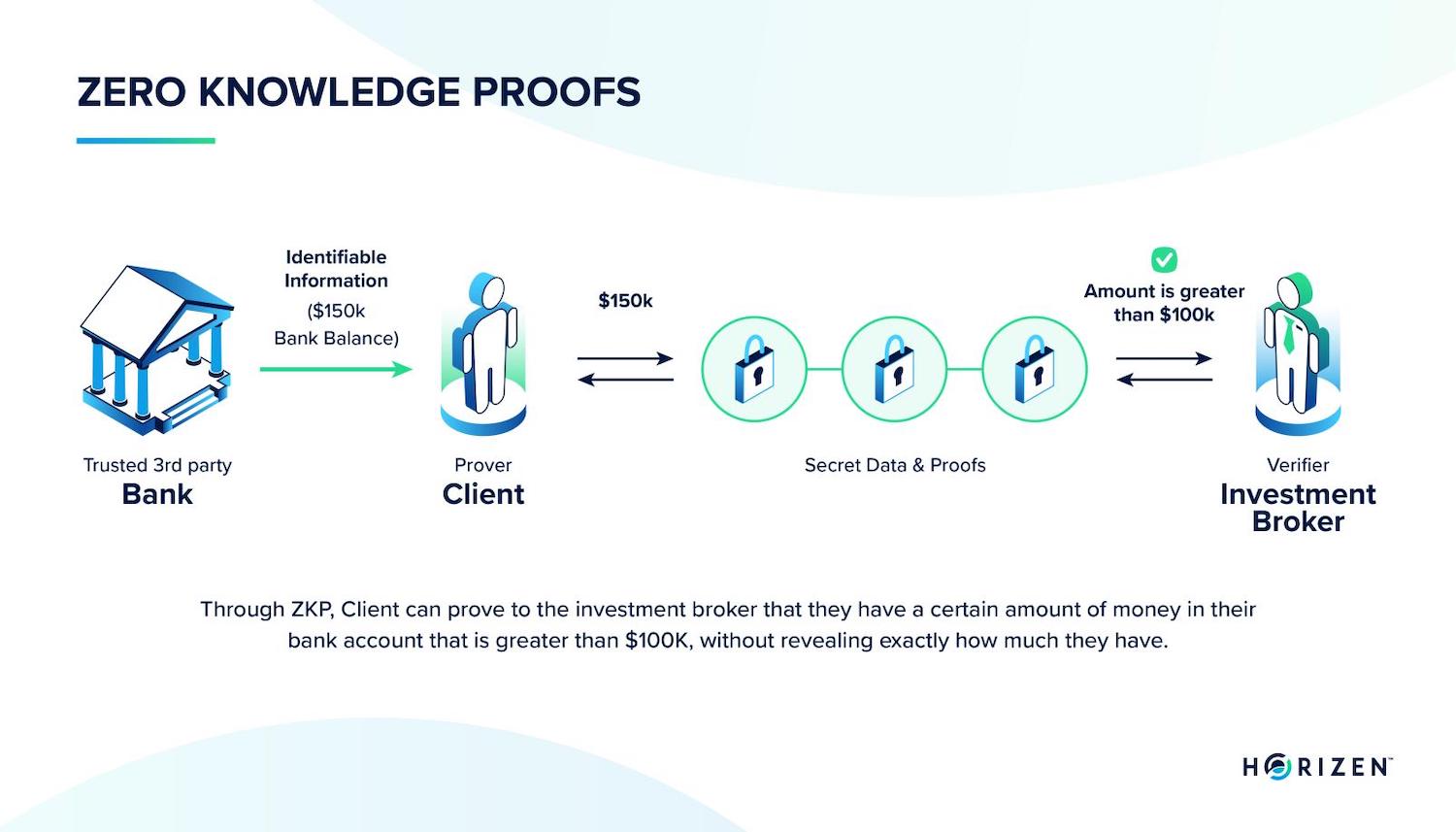
The Ethereum Foundation describes zero-knowledge proofs as a way of proving the validity of a statement without revealing the statement itself. This principle forms the foundation of privacy-preserving identity solutions. Users retain control over their data, sharing only what is necessary for verification.
Implementing ZKPs in decentralized identity requires careful consideration of the tradeoffs. While they offer strong privacy guarantees, they also introduce computational overhead and complexity in proof generation and verification. However, as infrastructure matures, these solutions are becoming more efficient and accessible for real-world identity applications.
Standardization and trust assumptions
Treat this step as a welfare screen for Zero-Knowledge Proofs. Compare the source, the animal's visible condition, the seller's care knowledge, the paperwork, and the transport plan before you commit. A good purchase path should make the dragon's health easier to verify, not harder. Pause before paying if any part of the chain is unclear. Confirm the exact animal, pickup or shipping timing, heat-pack plan when relevant, return policy, and the supplies you need at home for the first week.
Use the checklist as a welfare screen: verify the source, health signs, enclosure readiness, paperwork, and transport plan before paying.
No comments yet. Be the first to share your thoughts!