
Why zero-knowledge proofs 2026 are a regulatory necessity
The conversation around zero-knowledge proofs 2026 has shifted from theoretical cryptography to immediate legal survival. For Web3 projects, privacy is no longer a feature; it is a compliance requirement. As the European Union’s eIDAS 2.0 regulation takes effect, the industry faces a stark choice: implement verifiable privacy mechanisms or face exclusion from regulated markets.
Traditional blockchain transparency, while valuable for auditability, creates significant friction with data protection laws like GDPR. Storing personally identifiable information on an immutable ledger is a direct violation of the "right to be forgotten." Zero-knowledge proofs solve this paradox by allowing users to prove they meet specific criteria—such as age or residency—without revealing the underlying data. This capability transforms privacy from a marketing buzzword into a technical shield against regulatory penalties.
Major tech players are already aligning with this trajectory. Google’s recent release of open-source ZKP libraries for age assurance signals that institutional adoption is accelerating. This move underscores a broader industry recognition that scalable, cryptographic privacy is the only viable path forward for compliant Web3 infrastructure. Projects ignoring this shift risk obsolescence as regulatory frameworks harden.
Market Context
The urgency of this technical shift is reflected in the broader market sentiment toward privacy-focused assets. Understanding the volatility and trends in the crypto space provides context for why institutional players are prioritizing regulatory-compliant technologies like ZKPs.
ZK-SNARKs vs STARKs in production
Identity infrastructure in 2026 is split between two cryptographic standards: ZK-SNARKs and STARKs. The choice dictates your regulatory exposure and operational costs. SNARKs offer compact proofs and fast verification, making them the incumbent for mobile identity wallets. STARKs provide quantum resistance and transparent setup, addressing the long-term security gaps that regulators are beginning to scrutinize.
The trade-off is not merely technical; it is a compliance decision. SNARKs require a trusted setup ceremony, creating a single point of failure if the initial parameters are compromised. STARKs eliminate this risk but generate larger proof sizes, increasing bandwidth and storage costs for high-volume identity verification systems.
Comparison of Identity Use Cases
The table below outlines the operational differences for identity applications. SNARKs remain the default for consumer-facing apps where user experience is paramount. STARKs are emerging in enterprise and government contexts where auditability and quantum resilience are non-negotiable.
| Metric | ZK-SNARKs | ZK-STARKs |
|---|---|---|
| Proof Size | Small (~200-500 bytes) | Large (~2-10 KB) |
| Verification Speed | Fast | Moderate |
| Quantum Resistance | No | Yes |
| Trusted Setup | Required | Not Required |
| Primary Identity Use | Mobile wallets, KYC | Enterprise, Gov ID |
Implementation Risks
Adopting SNARKs today carries the risk of future obsolescence as quantum computing advances. The trusted setup requirement also introduces regulatory friction, as any compromise in the ceremony could invalidate all historical proofs. STARKs avoid this trap but demand significant infrastructure investment to handle the larger data payloads. For identity providers, the decision hinges on whether you prioritize immediate user adoption or long-term cryptographic sovereignty.
Decentralized identity solutions today
Decentralized identity (DID) protocols are shifting from experimental frameworks to regulatory necessities. By integrating zero-knowledge proofs (ZKPs), these systems allow users to prove specific attributes—such as age, residency, or creditworthiness—without exposing the underlying personally identifiable information (PII). This capability directly addresses the GDPR principle of data minimization, ensuring that only the data strictly necessary for a transaction is shared.
In 2026, the implementation of ZKPs within DID standards like W3C Decentralized Identifiers has moved beyond theoretical models. Protocols now enable "selective disclosure," where a user can generate a cryptographic proof that they are over 18 without revealing their birth date. This precision reduces the attack surface for data breaches, as centralized databases holding raw identity records are no longer the primary target for malicious actors.
The technical architecture relies on a prover-verifier model. The user holds the private key and the raw credentials. When accessing a service, the user generates a ZKP demonstrating that their credentials meet the service's criteria (e.g., "resides in EU"). The verifier checks the proof against public parameters. If valid, access is granted. The verifier learns nothing about the user's actual location or identity beyond the fact that the condition is met.
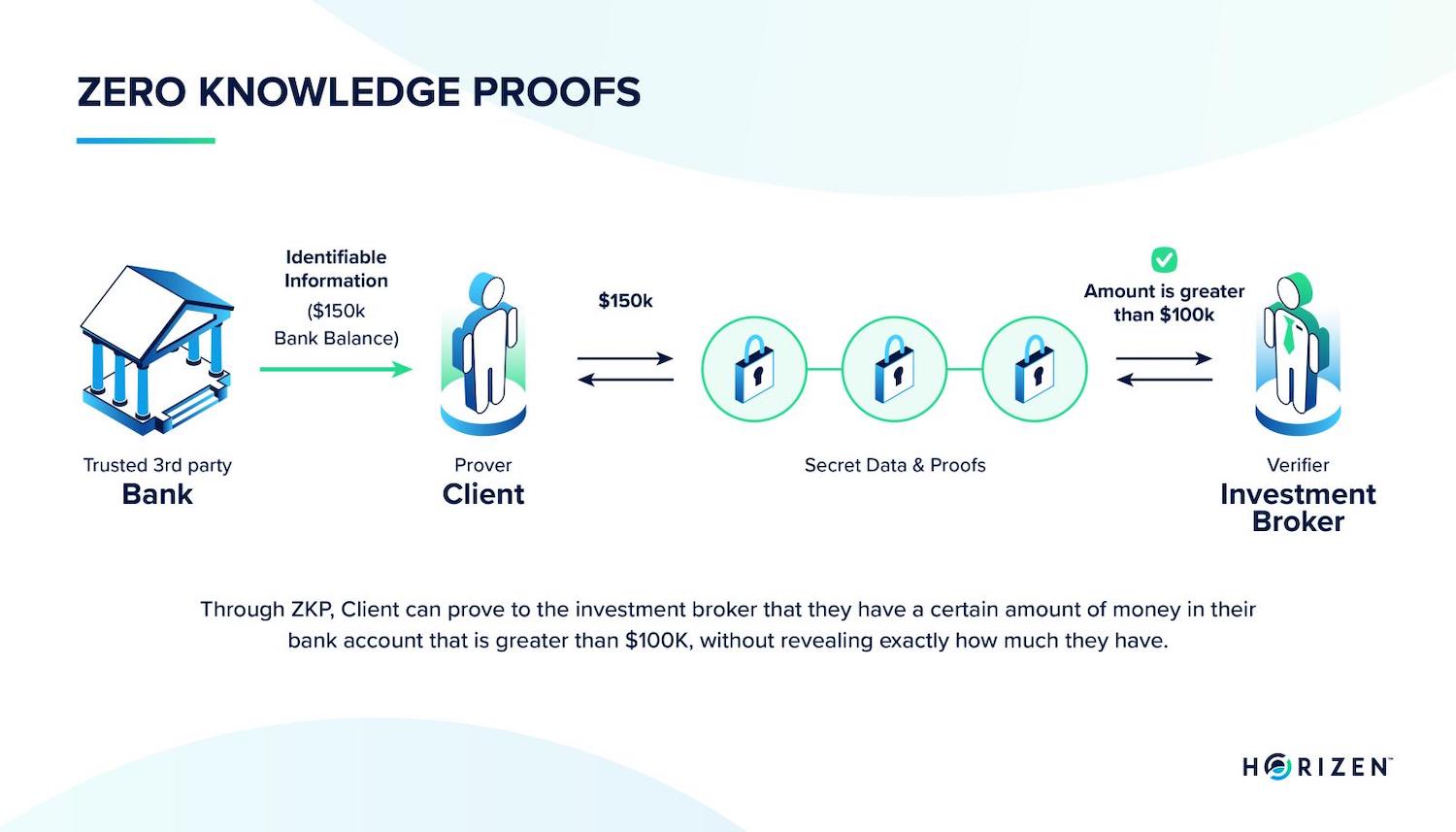
This approach mitigates regulatory risk. Companies that previously faced heavy fines for storing excessive PII can now comply with "privacy by design" mandates. Instead of hoarding data for KYC/AML checks, institutions verify proofs on-chain or off-chain, maintaining auditability while preserving user anonymity. The result is a privacy layer that is not just a feature, but a compliance requirement for modern digital infrastructure.
Cryptographic Compliance with GDPR
The General Data Protection Regulation (GDPR) imposes strict requirements on how organizations handle personal data, particularly under Article 5’s principle of data minimization and Article 25’s mandate for data protection by design. Traditional compliance often relies on restrictive access controls and encryption, which still leave metadata and access logs vulnerable to breach. Zero-knowledge proofs (ZKPs) offer a structural alternative: they allow verification of data attributes without exposing the underlying information itself.
By implementing ZKPs, companies can satisfy regulatory audits without storing sensitive personal identifiers in plaintext. For instance, an age-verification system can confirm a user is over 18 without revealing their birth date or name. This approach aligns directly with GDPR’s requirement to limit data processing to what is strictly necessary. The European Union’s eIDAS Regulation, set to take effect in 2026, further emphasizes the need for secure, privacy-preserving digital identities, creating a regulatory tailwind for ZKP adoption.
This cryptographic shift reduces liability significantly. In the event of a data breach, attackers gain access only to non-sensitive verification proofs rather than raw personal data. This minimizes the scope of notification requirements and potential fines. As privacy coins like Zcash (ZEC) see increased institutional interest, the market is signaling that privacy-preserving cryptography is moving from niche use case to standard infrastructure.
No comments yet. Be the first to share your thoughts!