
The State of Zero-Knowledge Proofs in 2026
Zero-knowledge proofs have moved from experimental cryptography to the backbone of regulatory-compliant identity infrastructure. In 2026, the technology is no longer a niche cryptographic curiosity but a standardized layer for verifying claims without exposing underlying data. This shift enables privacy-preserving authentication across finance, healthcare, and digital identity systems.
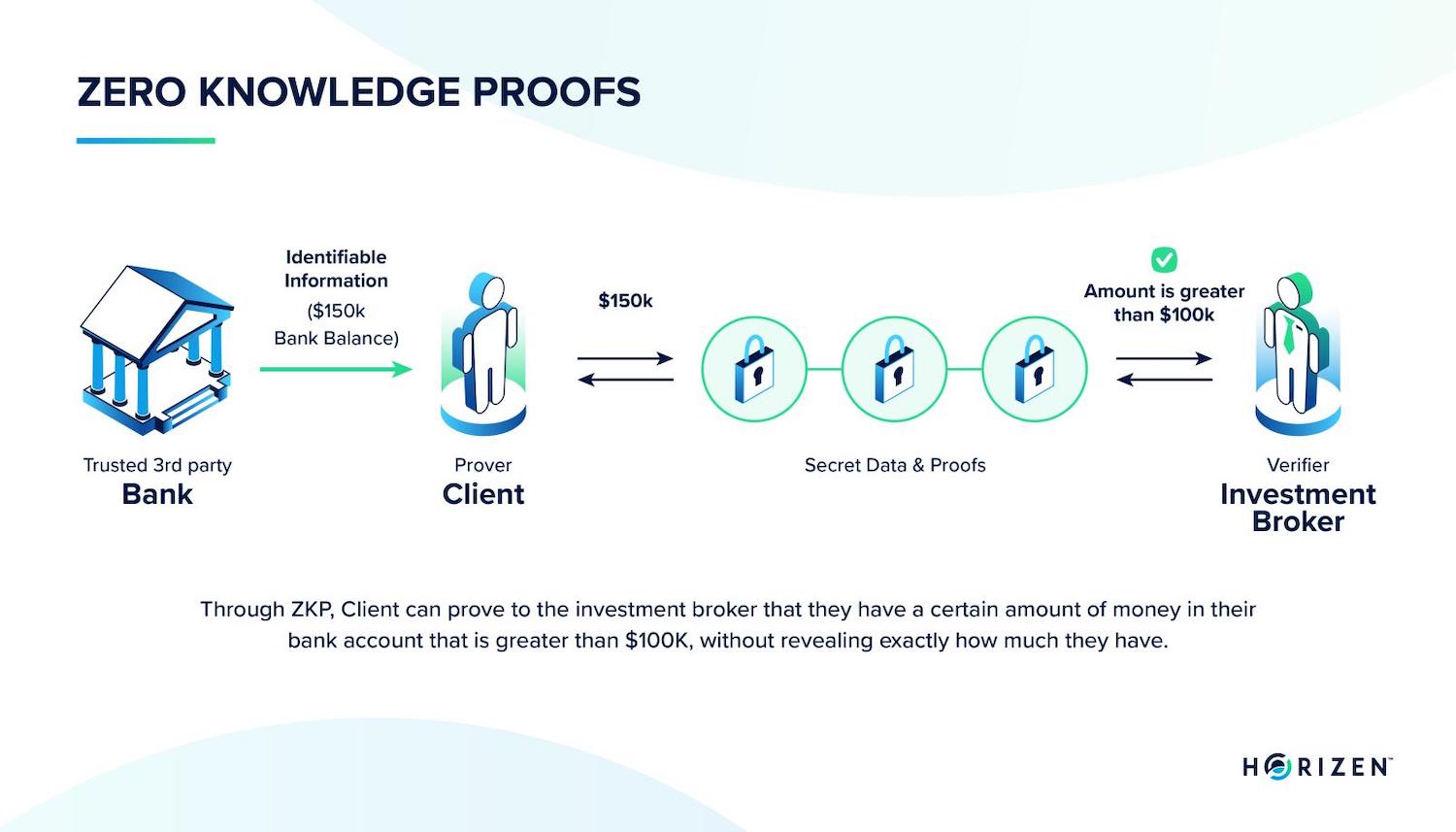
The transition is driven by two main forces: the need for regulatory compliance and the demand for user privacy. Organizations can now prove that a user meets specific criteria—such as being over 18, having a clean credit history, or holding a valid license—without revealing their actual birthdate, credit score, or license number. This capability is critical for industries where data minimization is a legal requirement.
Standards bodies like ZKProof are working to unify the fragmented landscape of ZK protocols. By establishing common verification standards, they reduce the friction of integrating zero-knowledge systems into existing enterprise workflows. This standardization is turning ZK proofs into a reliable, auditable component of modern digital infrastructure.
The financial implications of this shift are significant. As ZK adoption grows, the underlying assets supporting these networks, such as Ethereum, see increased utility and demand for block space. The following chart illustrates the recent market performance of ETH, reflecting the broader ecosystem's growth as ZK technology becomes more mainstream.
ZK identity verification protocols
Zero-knowledge proofs let you prove you meet a requirement without showing the underlying data. In identity systems, this means proving you are over 21 or hold a valid credential without revealing your birthdate or the issuer's database. The leading technical approaches—SNARKs, STARKs, and Plonks—differ in how they balance proof size, verification speed, and setup complexity.
SNARKs: Speed and Compactness
Succinct Non-interactive Arguments of Knowledge (SNARKs) are the most mature option for identity. They produce tiny proofs that verify quickly, making them ideal for mobile devices and low-bandwidth environments. However, they rely on a trusted setup phase, which introduces a potential security risk if the initial parameters are compromised. Once established, though, they offer the best trade-off between proof size and verification time for most consumer identity applications.
STARKs: Scalability and Trustlessness
Scalable Transparent Arguments of Knowledge (STARKs) remove the need for a trusted setup, relying instead on hash functions for security. This makes them more resilient to quantum computing threats and eliminates the risk of setup key leakage. The trade-off is larger proof sizes and slower verification times compared to SNARKs. For high-volume identity networks where security transparency is paramount, STARKs are becoming the preferred choice despite the computational overhead.
Plonks: Flexibility and Efficiency
Plonk (Permutations over Lagrange-bases for Oecumenical Noninteractive arguments of Knowledge) offers a universal trusted setup, meaning the same parameters can be used for any circuit without re-running the ceremony. This flexibility reduces the barrier to entry for developers building new identity protocols. Plonks generally sit between SNARKs and STARKs in terms of proof size and verification speed, offering a balanced approach for systems that need to update their verification logic frequently.
| Protocol | Proof Size | Verification Speed | Trusted Setup |
|---|---|---|---|
| SNARKs | Small | Fast | Required |
| STARKs | Large | Moderate | Not Required |
| Plonks | Medium | Fast | Universal |
eIDAS 2.0 and regulatory compliance
The European Union's eIDAS 2.0 regulation, set to take effect in 2026, is reshaping the digital identity landscape by making privacy-preserving verification a legal requirement rather than a technical preference. This regulatory shift directly impacts age assurance and know-your-customer (KYC) processes, forcing platforms to adopt zero-knowledge proofs (ZKPs) to comply with data minimization principles.
Under eIDAS 2.0, users will hold their digital credentials in a digital wallet, but service providers still need to verify attributes without storing sensitive personal data. ZKPs enable this by allowing a user to prove they meet a criterion—such as being over 18 or residing in the EU—without revealing the underlying data. This aligns perfectly with the regulation's goal of reducing unnecessary data collection and minimizing privacy risks.
Major technology companies are already preparing for this transition. Google, for instance, has open-sourced ZKP libraries specifically designed for age assurance, signaling a broader industry move toward ZK-based compliance. These tools allow developers to implement privacy-preserving checks that satisfy regulatory demands while maintaining a seamless user experience.
The adoption of ZKPs is no longer just about security; it is about regulatory alignment. As eIDAS 2.0 comes into force, organizations that fail to implement these privacy-first standards risk non-compliance, while those that do will gain a competitive advantage in trust and data stewardship.
Web3 privacy trends and adoption
The market for decentralized identity solutions is shifting from experimental pilots to institutional infrastructure. In 2026, the primary driver is no longer just individual privacy, but regulatory compliance and institutional trust. Organizations are moving away from centralized data brokers, recognizing that storing sensitive user data in single points of failure is a liability rather than an asset.
Zero-knowledge proofs (ZKPs) have become the technical backbone of this transition. Unlike traditional verification methods that require sharing raw data, ZKPs allow one party to prove a fact without exposing the underlying information. This capability is critical for blockchain finance, where institutions must verify customer identity and trading compliance without exposing sensitive trading flows or customer records. This shift reduces the attack surface for data breaches while satisfying Know Your Customer (KYC) and Anti-Money Laundering (AML) requirements.
The adoption curve is steepening as major financial entities integrate ZK-based identity layers. By decoupling identity verification from data storage, Web3 privacy standards are becoming compatible with existing financial regulations. This compatibility is accelerating the move toward decentralized identity as a standard utility rather than a niche privacy tool.
The integration of these technologies is reshaping the competitive landscape. Companies that can offer seamless, privacy-preserving identity verification are gaining a significant advantage in the Web3 space. This trend is expected to continue as more institutions recognize the value of privacy-preserving computation in maintaining user trust and regulatory compliance.
No comments yet. Be the first to share your thoughts!