
Defining the 2026 ZK Landscape
Zero-knowledge proofs (ZKPs) represent a fundamental shift in how data privacy intersects with regulatory verification. At its core, a zero-knowledge proof is a method by which one party, the prover, can prove to another party, the verifier, that a given statement is true without revealing any information beyond the validity of the statement itself ethereum.org/zero-knowledge-proofs/. This cryptographic mechanism allows institutions to confirm compliance with complex rules—such as anti-money laundering thresholds or identity verification standards—without exposing the underlying sensitive data.
The tension between privacy and transparency defines the current market. Traditional compliance models require data exposure to enable auditability, creating significant privacy risks. ZKPs resolve this paradox by decoupling verification from revelation. As an open-industry academic initiative, ZKProof seeks to mainstream this cryptography through standardized protocols that ensure these proofs are both secure and interoperable zkproof.org/. This standardization is critical for legal and regulatory audiences who require predictable, auditable frameworks rather than experimental cryptographic solutions.
By 2026, the integration of ZKPs into regulatory technology (RegTech) is no longer theoretical. Institutions are moving beyond pilot programs to implement native zero-knowledge verification for transaction monitoring and identity management. This shift addresses the growing demand for privacy-preserving compliance, allowing organizations to meet stringent data protection laws while maintaining the transparency required by financial regulators.
Comparing ZK-Rollups and Private Chains
Selecting between ZK-Rollups and Private Chains requires evaluating specific operational constraints rather than theoretical advantages. A practical choice must survive normal use, maintenance, timing, and budget considerations. If a recommendation only works in an ideal situation, that limitation must be stated plainly alongside a fallback path.
| Factor | What to check | Why it matters |
|---|---|---|
| Fit | Match the option to the primary use case. | A good deal still fails if it does not fit the job. |
| Condition | Verify age, wear, and service history. | Hidden condition issues erase upfront savings. |
| Cost | Compare purchase price with likely upkeep. | The cheapest option is not always the lowest-cost option. |
zk-SNARKs use cases in finance
Zero-knowledge proofs let one party prove a fact without exposing underlying data. This capability is reshaping regulated finance by allowing institutions to keep trading flows, customer information, and transaction amounts private while still satisfying strict regulatory requirements. The technology moves beyond theoretical cryptography into concrete compliance mechanisms that address the privacy-compliance paradox directly.
In confidential trading, zk-SNARKs enable order matching without revealing the price or volume of pending orders. Traditional markets often expose order book data to front-running algorithms, but zero-knowledge proofs allow exchanges to prove that a trade occurred within valid parameters without disclosing the specifics to the public or competitors. This preserves market integrity and prevents predatory trading strategies that rely on information asymmetry.
Similarly, KYC and AML verification benefit significantly from this approach. Financial institutions can verify that a customer meets regulatory criteria—such as age, identity, or sanction status—without storing or transmitting sensitive personal documents. The proof confirms compliance status without exposing the underlying data, reducing the risk of data breaches and unauthorized access to customer information.
The XRP Ledger recently integrated with Boundless, bringing native zero-knowledge proof verification to the ledger for the first time. Institutions can now verify transactions without revealing amounts, senders, or receivers, demonstrating that this technology is already operational in major blockchain networks. This integration highlights the practical shift from theoretical privacy to enforceable compliance.
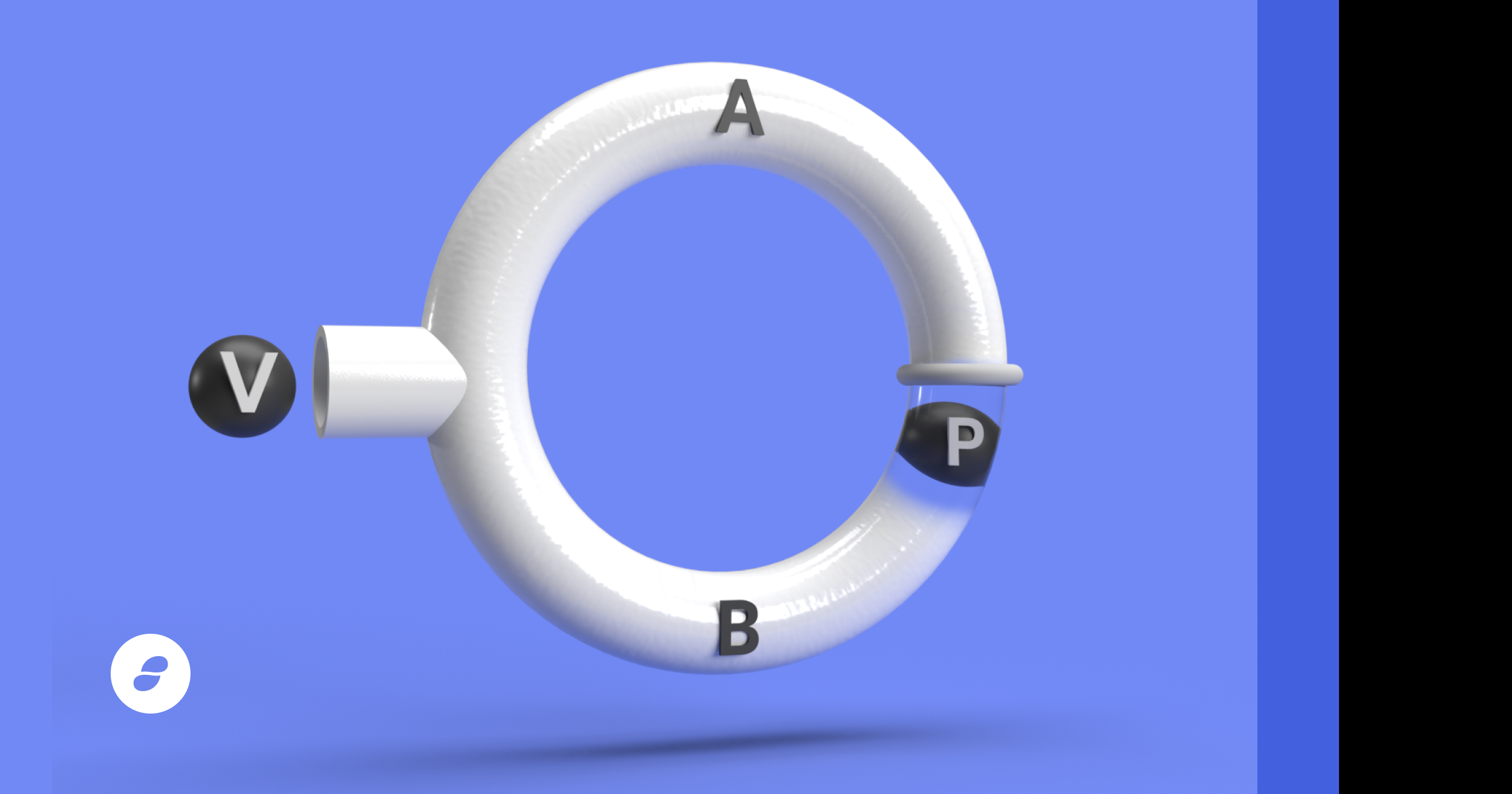
These applications illustrate how zk-SNARKs use cases in finance solve the core tension between transparency and privacy. By proving facts without exposing data, regulated entities can maintain the confidentiality required for competitive advantage while meeting the transparency demands of oversight bodies. This balance is critical for the adoption of digital assets in traditional financial systems.
Regulatory hurdles and standardization
Regulators face a fundamental tension when reviewing zero-knowledge proof (ZKP) systems: the very feature that makes them valuable—privacy—also obscures the underlying transaction data. Unlike traditional blockchain ledgers where every transfer is visible, ZKPs allow parties to prove compliance without revealing the raw data. This creates a "black box" problem for auditors who need to verify anti-money laundering (AML) and know-your-customer (KYC) adherence without breaking the privacy guarantees the system was designed to protect.
To address this fragmentation, the ZKProof initiative has emerged as the primary standardization body for the industry. Operating as an open-industry academic initiative, ZKProof focuses on creating rigorous, community-driven standards that define how ZKPs should be constructed, verified, and audited. Their work aims to move ZKPs from experimental codebases to enterprise-grade tools that meet legal scrutiny. By establishing common protocols, ZKProof helps ensure that a proof generated by one provider is verifiable by another, a prerequisite for cross-border regulatory acceptance.
The challenge for regulators is not just technical, but procedural. Auditing a ZKP system requires specialized knowledge to verify that the cryptographic circuits are correctly implemented and free from backdoors. Without standardized verification frameworks, regulators cannot easily distinguish between a legitimate privacy tool and a mechanism designed to obscure illicit activity. The path forward involves integrating these cryptographic standards into existing compliance workflows, ensuring that "privacy by design" does not become "obfuscation by default."
| Feature | Traditional Audit | ZK Audit |
|---|---|---|
| Data Visibility | Full transparency | Proof of validity only |
| Verification Method | Direct inspection | Cryptographic verification |
| Privacy Impact | None | Preserved by design |
As the industry matures, the collaboration between cryptographic researchers and legal experts will determine how ZKPs are integrated into global financial infrastructure. The goal is not to replace traditional oversight, but to augment it with tools that respect both data sovereignty and regulatory compliance.
Future adoption and XRP integration
Zero-knowledge proofs are shifting from experimental cryptography to a regulatory requirement. As privacy regulations tighten globally, institutions are adopting ZKPs to satisfy compliance without exposing sensitive data. This transition marks the end of the "privacy vs. compliance" paradox, replacing it with verifiable privacy.
The XRP Ledger demonstrates this shift through its integration with Boundless. This partnership brings native zero-knowledge proof verification directly to the ledger, allowing institutions to validate transactions without revealing amounts, senders, or receivers. Such infrastructure provides a concrete model for how legacy and modern ledgers can coexist with strict privacy standards.
No comments yet. Be the first to share your thoughts!