
Why zero-knowledge proofs matter for identity now
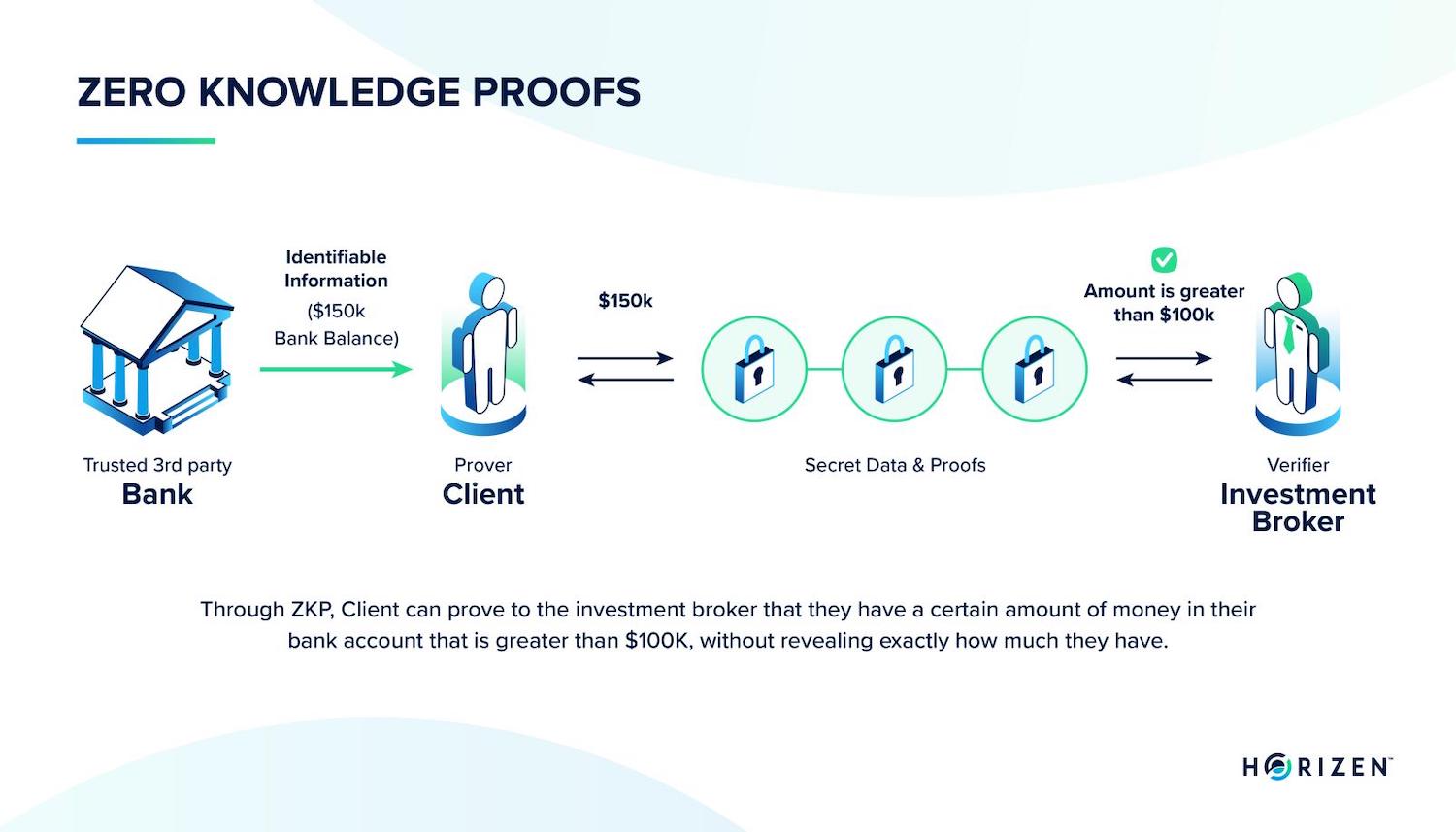
Zero-knowledge proofs have shifted from theoretical cryptography to the backbone of digital identity in 2026. The technology allows users to prove specific attributes about themselves without exposing the underlying data. For example, a platform can verify that a user is over 18 without ever seeing their birthdate, name, or address. This capability solves the long-standing tension between regulatory compliance and user privacy.
Earlier identity systems required users to upload full documents or share extensive personal histories. These methods created centralized honeypots for data breaches. Zero-knowledge proofs change this dynamic by keeping sensitive information on the user’s device. The verification happens through cryptographic proofs that confirm validity without revealing the source data.
This shift is particularly critical for Web3 identity, where self-sovereignty is a core value. Users can interact with dApps, DeFi protocols, and social platforms while maintaining control over their digital footprint. The technology ensures that identity verification becomes a privacy-preserving utility rather than a data extraction exercise.
Best ZK Identity Platforms for Developers
The shift from theoretical zero-knowledge cryptography to production-ready identity infrastructure has accelerated. In 2026, developers no longer need to build proof systems from scratch. Specialized platforms now handle the heavy lifting of generating and verifying zero-knowledge proofs, allowing teams to focus on user experience and compliance.
Choosing the right platform depends on your specific privacy requirements and integration complexity. Some solutions prioritize raw proof generation speed for high-throughput applications, while others emphasize regulatory compliance features like selective disclosure for age verification or credential checks. The following platforms represent the current standard for Web3 identity verification.
1. Polygon ID
Polygon ID offers a decentralized identity protocol built on Polygon. It enables users to create self-sovereign identities and issue verifiable credentials that can be presented as zero-knowledge proofs. The platform is particularly strong for developers needing to integrate with the Ethereum ecosystem, offering SDKs and tooling that simplify the creation of privacy-preserving applications. Its focus on interoperability makes it a solid choice for projects that require cross-chain identity verification without exposing personal data.
2. Polygon CDK (Customizable Development Kit)
For teams building specialized ZK rollups or identity-specific chains, the Polygon CDK provides a modular framework. It allows developers to configure their own chain with built-in zero-knowledge proof verification. This approach is ideal for projects that need full control over the consensus mechanism and proof verification logic, ensuring that identity data remains private and secure within a dedicated environment. The CDK reduces the overhead of setting up a ZK infrastructure from the ground up.
3. Polygon ID Labs
Polygon ID Labs focuses on the issuance and verification of credentials within the Polygon ID ecosystem. It provides robust APIs for verifiers to check the validity of credentials without accessing the underlying personal information. This separation of concerns is critical for privacy-first applications, ensuring that even the service provider cannot see the user's actual identity data. It is a key component for building compliant age verification or KYC (Know Your Customer) flows.
4. Polygon ID SDK
The Polygon ID SDK is the primary developer tool for integrating zero-knowledge identity features into applications. It supports the creation of credential schemas, proof generation, and verification on both client and server sides. The SDK is designed to be developer-friendly, with clear documentation and examples that help teams quickly implement privacy-preserving identity flows. It supports a wide range of use cases, from simple age verification to complex credential-based access control.
| Platform | Primary Strength | Integration Complexity |
|---|---|---|
| Polygon ID | Ethereum ecosystem interoperability | Low |
| Polygon CDK | Custom ZK rollup configuration | High |
| Polygon ID Labs | Credential issuance and verification | Medium |
| Polygon ID SDK | Developer tooling and APIs | Low |
![Nomenclatura - Encyclopedia of modern Cryptography and Internet Security: From AutoCrypt and Exponential Encryption to Zero-Knowledge-Proof Keys [Paperback]](https://m.media-amazon.com/images/I/81k25DJ9OAL._AC_UY654_QL65_.jpg)
As an Amazon Associate, we may earn from qualifying purchases.
Hardware wallets for ZK key management
Zero-knowledge proofs only work if the private keys used to generate them remain secret. Storing those keys on a computer connected to the internet leaves them vulnerable to malware, phishing, and remote exploits. Hardware wallets solve this by keeping the private key inside a secure chip that never exposes it to the host device. The proof is generated inside the wallet, and only the signed proof is sent to the blockchain.
Choosing the right device depends on which blockchains you use and whether you need native support for ZK-friendly curves. Some wallets prioritize broad compatibility with Ethereum and EVM chains, while others focus on privacy-centric networks or specific ZK protocols. The goal is to find a device that supports the cryptographic operations your ZK stack requires without forcing you to use third-party apps that might leak metadata.
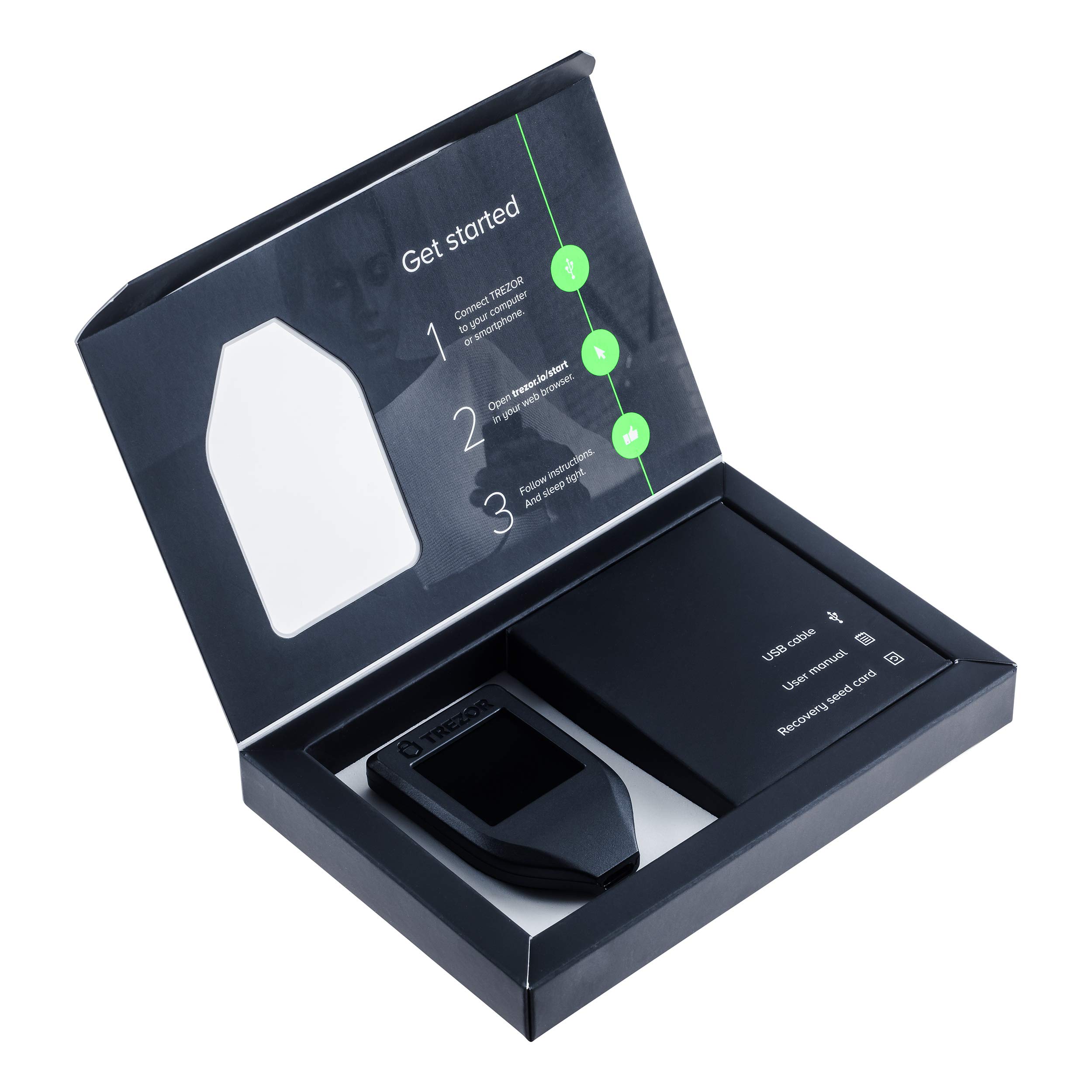
Look for devices that support custom app installation if you are working with niche ZK networks. The Ledger Nano X and Trezor Model T are common choices for general Web3 use, but verify their support for the specific elliptic curves your ZK protocol uses. If you are building for privacy-focused chains, check whether the wallet’s firmware allows for the necessary cryptographic primitives. A device that cannot sign ZK proofs natively will require you to export keys, which defeats the purpose of using hardware security.


As an Amazon Associate, we may earn from qualifying purchases.
The physical design matters less than the security model. Whether you prefer a dongle, a card, or a smartwatch, the critical factor is that the key never leaves the secure element. Avoid any setup where the seed phrase is displayed on a screen or stored in a cloud backup. For ZK identity, the key is your identity. If it is compromised, the proof system offers no protection against impersonation.
Community insights on ZK adoption
Developers and users are actively testing how zero-knowledge proofs fit into real-world identity stacks. The conversation has shifted from theoretical privacy to practical implementation challenges, particularly around user experience and compliance.
"Zero-knowledge proofs are moving into identity, compliance, age verification, credential checks, settlement proofs, and privacy-preserving authentication." — Kevin Riedl, LinkedIn
This perspective highlights that ZK technology is no longer confined to crypto speculation. It is becoming a standard component of the privacy stack, addressing specific needs like age verification without exposing full identity details.
Frequently asked questions about ZK identity
How much does it cost to generate a zero-knowledge proof for identity?
The cost varies significantly depending on the circuit complexity and the backend service used. For most consumer-facing Web3 identity applications, the marginal cost per proof is fractions of a cent, but upfront development and testing expenses can be substantial. Platforms like Polygon ID and World ID absorb much of this infrastructure cost, making the user experience effectively free for the end-user.
Are ZK proofs compliant with current regulations?
Regulatory frameworks are still catching up to the technology, but ZK proofs are increasingly seen as a tool for compliance rather than evasion. Initiatives like ZKProof are working to establish standards that allow for selective disclosure—proving age or residency without revealing the underlying personal data. This balance is becoming essential for Web3 privacy in 2026, allowing users to meet KYC/AML requirements without exposing their entire digital history.
Which standards are most widely supported?
Interoperability is key for Web3 identity, and the industry is coalescing around a few major standards. ZKProof.org serves as the primary hub for academic and industry collaboration on these protocols. Look for tools that support SNARKs or STARKs compatible with major blockchains like Ethereum and Polygon, as these offer the best balance of verification speed and security for identity applications.
No comments yet. Be the first to share your thoughts!