
Zero-knowledge proofs 2026 budget
Enterprise adoption of zero-knowledge proofs (ZKPs) in 2026 is no longer just about theoretical privacy; it is a practical exercise in balancing cost, compute age, and data condition. The "budget" here refers not just to licensing fees, but to the operational overhead of integrating ZK-Rollups into legacy enterprise stacks. As noted in recent industry analyses, the privacy stack is finally becoming viable for identity, compliance, and settlement proofs, but this viability comes with specific hardware and software tradeoffs [src-serp-1].
When evaluating ZK solutions for 2026, consider the "age" of the underlying cryptographic libraries. Newer circuits often offer better proof generation speeds but may lack the battle-tested stability required for high-frequency financial settlements. Conversely, older, stable stacks may require more computational resources to generate proofs, driving up cloud infrastructure costs. The "condition" of your data—whether it is structured SQL data or unstructured logs—also dictates the complexity of the circuit design, directly impacting development time and debugging effort.
To manage these costs, many enterprises are turning to modular ZK-Rollup architectures. These allow for incremental updates to proof systems without rewriting the entire privacy layer. When selecting products, prioritize those that offer transparent pricing models for proof generation and verification, avoiding opaque enterprise licenses that scale unpredictably with transaction volume. The goal is to find a solution where the marginal cost of adding a new proof is near zero, ensuring the system remains economically viable as data privacy requirements expand.
As an Amazon Associate, we may earn from qualifying purchases.
Shortlist real options
Use this section to make the Zero-Knowledge Proofs decision easier to compare in real life, not just on paper. Start with the reader's actual constraint, then separate must-have requirements from details that are merely nice to have. A practical choice should survive normal use, maintenance, timing, and budget. If a recommendation only works in an ideal situation, call that out plainly and give the reader a fallback path.
| Factor | What to check | Why it matters |
|---|---|---|
| Fit | Match the option to the primary use case. | A good deal still fails if it does not fit the job. |
| Condition | Verify age, wear, and service history. | Hidden condition issues erase upfront savings. |
| Cost | Compare purchase price with likely upkeep. | The cheapest option is not always the lowest-cost option. |
Inspect the expensive parts
Use this section to make the Zero-Knowledge Proofs decision easier to compare in real life, not just on paper. Start with the reader's actual constraint, then separate must-have requirements from details that are merely nice to have. A practical choice should survive normal use, maintenance, timing, and budget. If a recommendation only works in an ideal situation, call that out plainly and give the reader a fallback path.
-
Verify the basicsConfirm the core specs, condition, and fit before comparing extras.
-
Price the downsideLook for the repair, maintenance, or replacement cost that would change the decision.
-
Compare alternativesCheck at least two comparable options before treating one listing as the benchmark.
The hidden costs of owning a ZK solution
Buying a zero-knowledge library or a managed ZK-Rollup service is only the entry fee. The real expense comes from the ongoing maintenance required to keep proofs valid as data scales. Enterprises often underestimate the compute overhead needed to generate and verify proofs at production volume, which can turn a budget-friendly pilot into a costly operation.
Maintenance surprises frequently stem from updates in the underlying cryptographic primitives or the need to optimize circuits for new compliance requirements. A solution that works for a small dataset may require significant refactoring when transaction counts increase. This technical debt accumulates quickly if the initial architecture wasn't built with scalability in mind.
When a cheap buy stops being cheap, it is usually because the vendor's infrastructure cannot handle the verification load without exponential cost increases. Always evaluate the total cost of ownership, including engineering hours for circuit optimization and cloud compute costs for proof generation.



As an Amazon Associate, we may earn from qualifying purchases.
Zero-knowledge proofs 2026: what to check next
Enterprise teams are adopting zero-knowledge proofs in 2026 for identity verification, compliance, and credential checks. These questions address the practical hurdles of deployment.
Can ZK-Rollups handle enterprise data volume?
Yes. ZK-Rollups batch transactions off-chain and submit a single proof on-chain. This architecture supports high throughput while keeping individual records private. It is suitable for handling the data volume required by modern enterprise systems.
Is proving age or identity secure without revealing data?
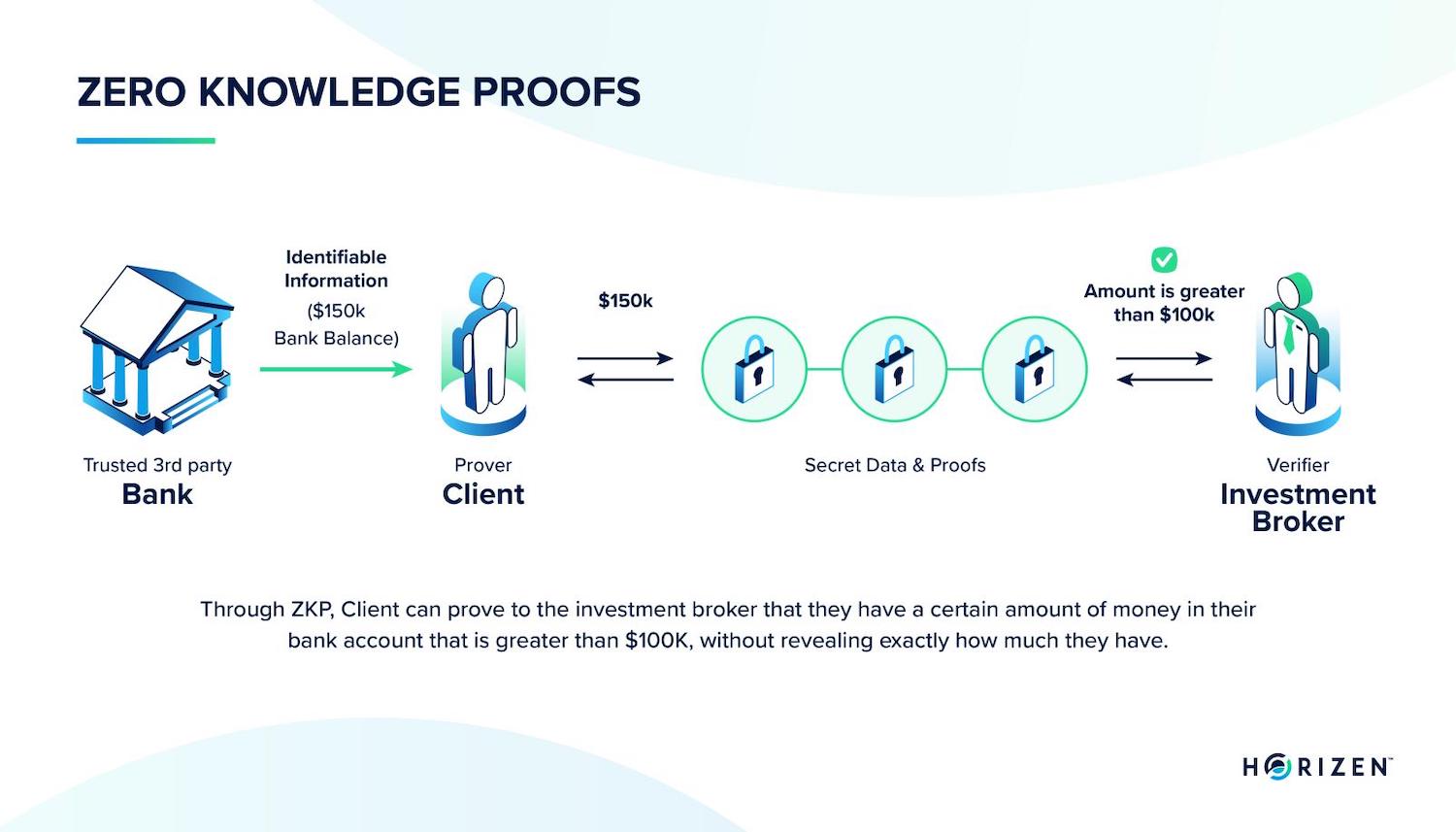
Absolutely. A user can prove they are over 18 without sharing their birthdate or name. This selective disclosure protects sensitive information while satisfying regulatory requirements for age verification and identity checks.
How do ZK proofs impact regulatory compliance?
Zero-knowledge proofs allow enterprises to prove compliance without exposing raw data. For example, a company can prove it meets anti-money laundering standards without revealing customer transaction histories. This balances transparency with privacy.
What is the current state of ZK technology in 2026?
ZK technology is moving from experimental to standard. It is now used in digital privacy stacks for settlement proofs and credential verification. The technology is mature enough for production environments across various industries.
No comments yet. Be the first to share your thoughts!