
zero-knowledge proofs 2026 defined
A zero-knowledge proof (ZKP) is a cryptographic method that allows one party to prove a statement is true without revealing any underlying data. In simple terms, it lets you demonstrate validity—such as having enough funds to complete a transaction—without exposing your balance or identity to the public ledger. This distinction between proving that something is true and revealing what it is forms the foundation of private computation on public blockchains.
The year 2026 marks a turning point for ZKPs, shifting them from experimental cryptography to a core infrastructure standard for Web3. This transition is driven by two converging forces: regulatory pressure for compliant privacy and the technical maturity of zero-knowledge rollups. As regulators demand transparency in financial flows, ZKPs offer a "compliance by design" pathway, allowing institutions to verify anti-money laundering (AML) checks without leaking sensitive client data. Simultaneously, advancements in proof generation speed and cost have made ZK-rollups the most efficient way to scale Ethereum, moving beyond theoretical benchmarks to mainnet reality.
The financial implications of this shift are visible in the market's reaction to scaling solutions. As ZK-tech becomes the default for high-throughput applications, the value accrual models for underlying assets are being rewritten. The following chart illustrates the recent price action of Ethereum, the primary settlement layer benefiting from ZK-rollup adoption.
ZK-Rollups vs. Privacy Coins
Blockchain privacy generally splits into two distinct camps: ZK-Rollups and privacy coins. While both aim to protect user data, they solve different problems. ZK-Rollups use zero-knowledge proofs to bundle transactions, offering scalability alongside selective privacy. Privacy coins, such as Monero or Zcash, focus on complete transaction anonymity by default.
The market is shifting toward ZK-Rollups because they integrate with existing Ethereum infrastructure. This allows users to prove validity without exposing underlying data, a concept explained by ethereum.org. Privacy coins, while effective for anonymity, often face stricter regulatory scrutiny and lower liquidity.
The table below compares these approaches across key dimensions.
| Feature | ZK-Rollup | Privacy Coin | Edge |
|---|---|---|---|
| Primary Goal | Scalability + Selective Privacy | Full Anonymity | ZK-Rollup |
| Regulatory Compliance | High (on-chain verification) | Low (often blacklisted) | ZK-Rollup |
| Transaction Speed | High (batched) | Standard | ZK-Rollup |
| Privacy Level | Configurable | Default/Total | Privacy Coin |
| Adoption | Niche | ZK-Rollup |
ZK-Rollups are gaining market share because they do not require users to abandon their existing wallets or assets. They provide a compliance-friendly path to privacy, which is essential for institutional adoption. Privacy coins remain a tool for specific anonymity needs but are less versatile for general Web3 applications.
Decentralized identity 2026 use cases
Decentralized identity is shifting from theoretical architecture to practical infrastructure. By 2026, zero-knowledge proofs (ZKPs) allow users to prove attributes like age or citizenship without exposing the underlying personal data. This shift addresses the primary friction point in digital identity: the trade-off between verification and privacy.
Age verification is the most immediate use case. Traditional methods require uploading government IDs to centralized servers, creating honeypots for data breaches. ZKPs change this dynamic. Users can generate a cryptographic proof that they are over a certain age without revealing their birth date, name, or address. Google’s recent move to open-source its ZKP libraries for age assurance signals that major tech platforms are preparing for this transition, particularly as regulations like the EU’s eIDAS framework take effect in 2026 Google Blog.
Credential validation extends beyond age checks. Universities, employers, and professional bodies can issue verifiable credentials on-chain. A job seeker can prove they hold a specific degree or certification without the employer needing to contact the university directly. The proof confirms the validity of the statement—"this credential is real and unexpired"—without revealing the entire transcript or history.
This approach reduces identity fraud and simplifies compliance. Instead of storing sensitive data across thousands of disparate databases, organizations rely on cryptographic verification. The result is a privacy-first identity layer where users control their data, and verifiers trust the proof.
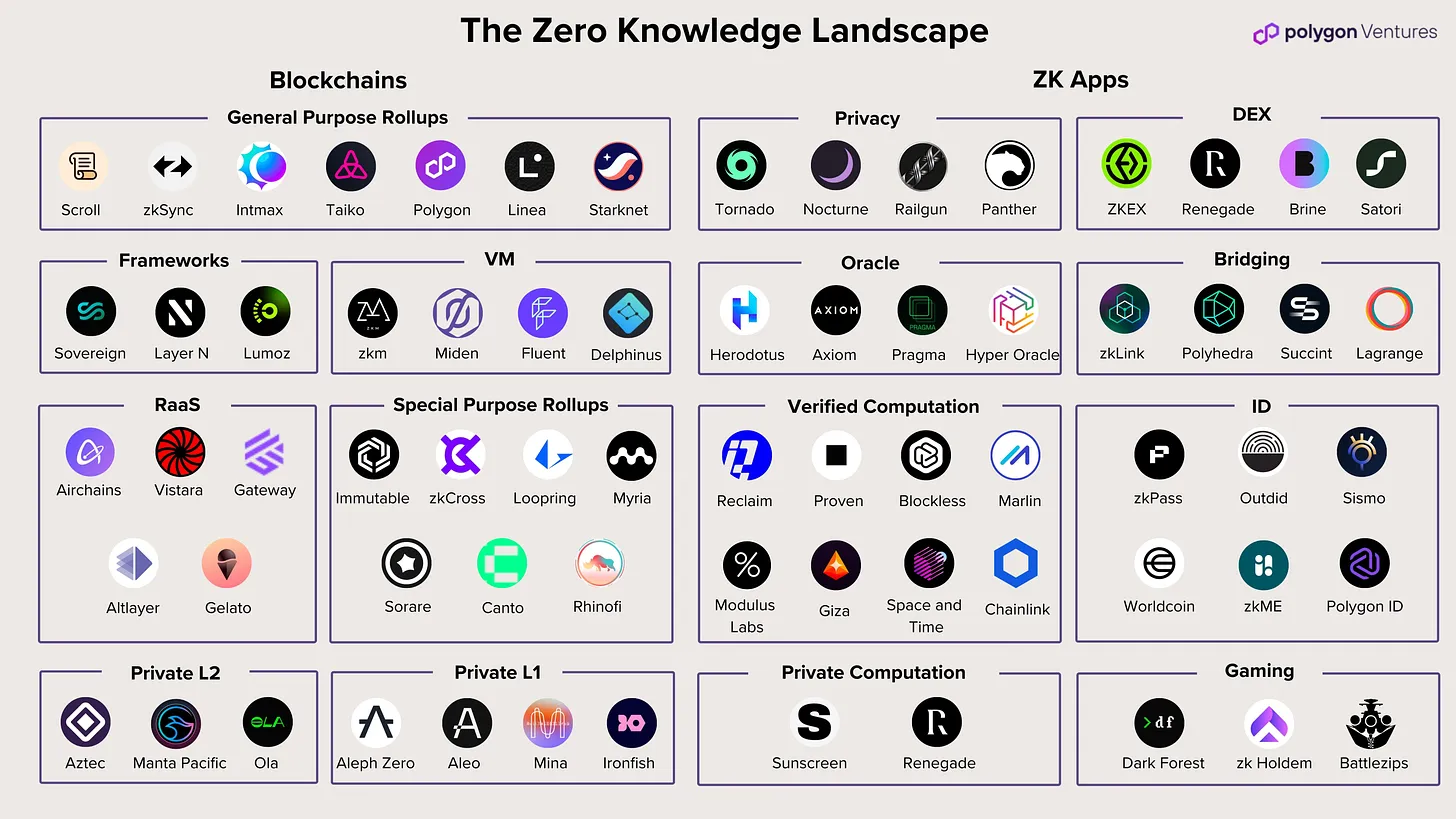
Standardization efforts in 2026
Zero-knowledge proofs are moving from experimental cryptography to foundational infrastructure, but this transition requires rigorous standardization. Without unified protocols, different ZK circuits remain siloed, preventing the interoperability necessary for a scalable Web3 ecosystem. The industry is currently coalescing around specific frameworks that define how proofs are generated, verified, and composed across different blockchains.
The ZKProof Standards initiative serves as the primary coordinating body for this effort. Operating as an open-industry academic initiative, ZKProof brings together over 1,000 practitioners to establish inclusive, community-driven standards. Their work focuses on mainstreaming ZKP cryptography by ensuring that implementations are secure, efficient, and compatible across diverse platforms. By defining clear specifications for proof systems, they reduce the risk of fragmented standards that could hinder cross-chain communication.
Recent developments, such as the ZKProof 8 conference held in Rome in May 2026, highlight the accelerating pace of standardization. These gatherings serve as critical venues for aligning the technical roadmap among developers, auditors, and protocol designers. The consensus emerging from these events emphasizes the need for universal verification interfaces, allowing dApps to accept proofs from multiple underlying circuits without requiring custom integrations for each.
As 2026 progresses, the focus is shifting from theoretical definitions to practical deployment. Standardization bodies are working to finalize specifications for recursive proof composition and universal trusted setups, which are essential for reducing the cost and complexity of verification. This structural clarity is what will allow zero-knowledge technology to function as a true privacy standard rather than a niche cryptographic tool.
The Road Ahead for Zero-Knowledge Proofs
Zero-knowledge proofs are shifting from experimental cryptography to a foundational privacy standard for Web3. As networks scale, the ability to verify transactions without exposing sensitive data will likely determine which platforms can handle mass adoption. The technology moves beyond simple anonymity, offering a way to prove validity while keeping user identities and balances private.
The path forward involves overcoming significant technical hurdles. Current ZK systems require heavy computational resources to generate proofs, creating bottlenecks that limit throughput. Researchers are actively developing recursive proofs and incremental verification to reduce these costs. These improvements aim to make ZK circuits efficient enough for everyday consumer applications, not just high-value institutional settlements.
Market sentiment reflects this potential. Investors are closely watching tokens that integrate ZK technology, as seen in the performance of major Layer 2 solutions and privacy-focused protocols.
Adoption will also depend on regulatory clarity. Governments are scrutinizing privacy tools, creating uncertainty for developers. However, the same technology that protects user data can also help platforms comply with regulations through selective disclosure. This balance between privacy and compliance is critical for mainstream acceptance.
The future of zero-knowledge proofs lies in their integration into everyday digital interactions. From private voting systems to confidential financial reporting, the implications extend far beyond cryptocurrency. As the technology matures, it promises to redefine how we trust and verify information in a decentralized world.
No comments yet. Be the first to share your thoughts!