
What zero-knowledge proofs mean for 2026
Zero-knowledge proofs (ZKPs) are cryptographic methods that allow parties to verify a statement's truth without revealing the underlying information. In 2026, this technology has shifted from theoretical cryptography to a practical necessity for enterprise compliance. As regulatory bodies tighten data privacy mandates, organizations can now prove they meet legal standards without exposing sensitive customer data or proprietary business logic.
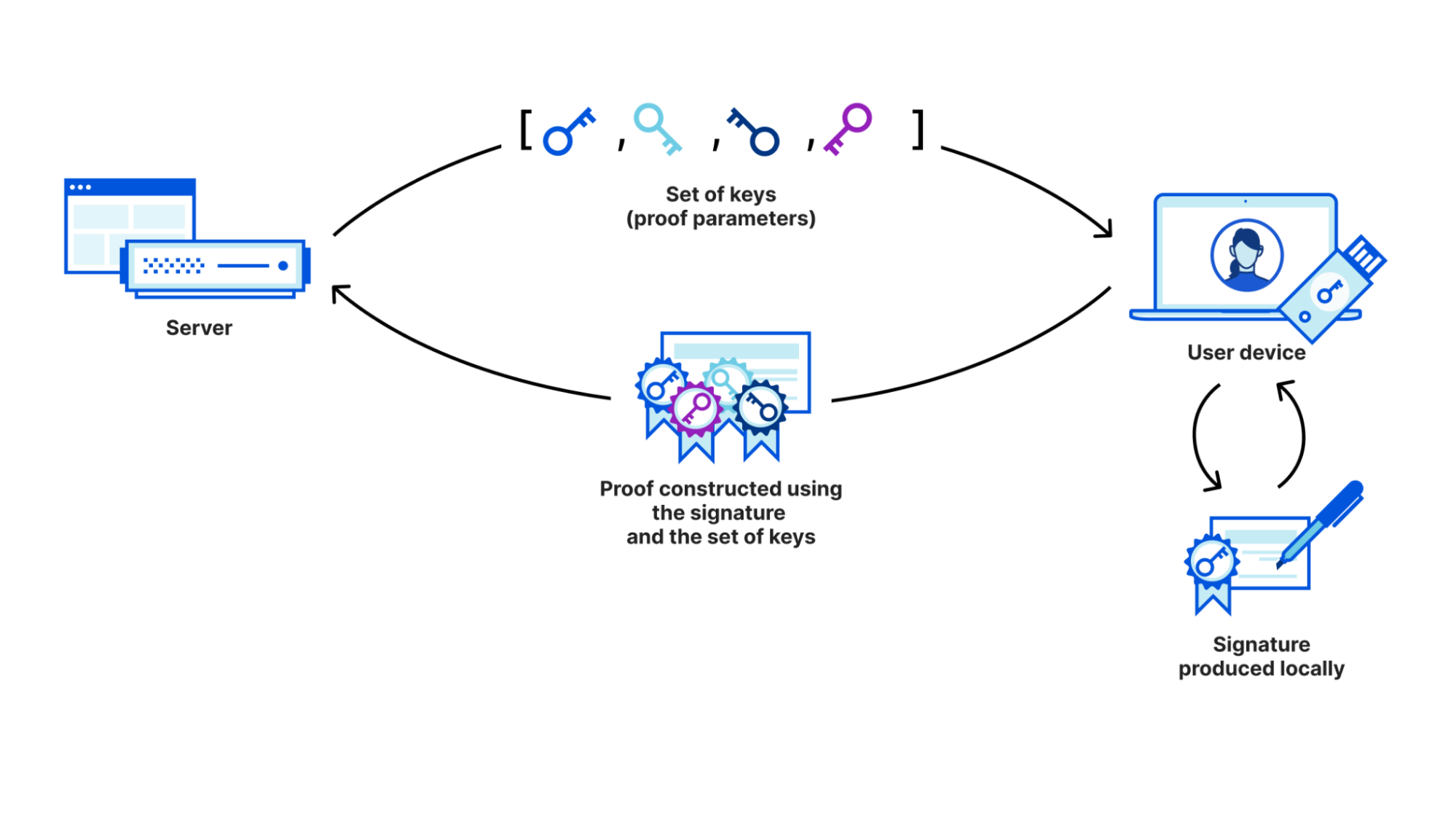
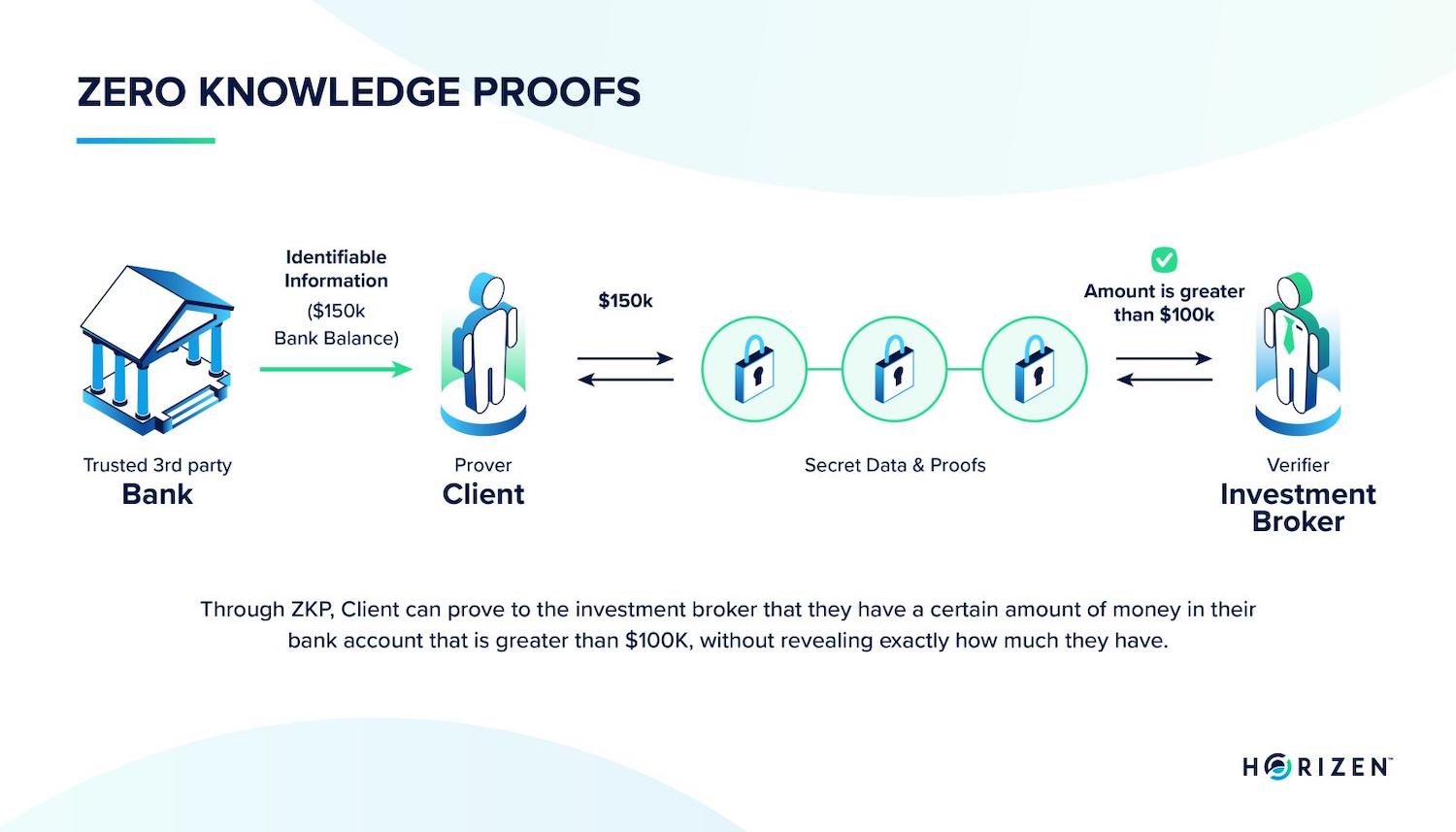
The core value proposition is simple: prove validity without data exposure. A "prover" demonstrates that a statement is true, while a "verifier" accepts the proof without learning anything beyond the validity of the statement itself. This distinction is critical for industries handling highly regulated data, such as healthcare and finance, where transparency is required but privacy is non-negotiable.
For enterprises, ZKPs solve the compliance paradox. Traditionally, auditors required full data access to verify adherence to regulations like GDPR or HIPAA. With ZKPs, companies can generate cryptographic proofs that satisfy auditors and regulators while keeping the actual data encrypted and private. This reduces the attack surface for data breaches and minimizes liability, making ZKPs a foundational element of modern privacy-preserving infrastructure.
ZK-rollups enable scalable, privacy-preserving blockchain transactions
ZK-rollups represent a structural shift in how enterprise data moves on-chain. By batching hundreds of transactions into a single cryptographic proof, they offload computation from the main chain while preserving security. For compliance officers and data privacy leads, this architecture solves the fundamental tension between transparency and confidentiality. The network verifies the validity of the batch without exposing the underlying data to the public ledger.
The mechanics of privacy at scale
In a traditional rollup, transaction data is published on-chain, meaning anyone can read it. ZK-rollups replace that raw data with a validity proof. The Ethereum network checks the proof to ensure the state transition is correct. If the math holds, the transaction is confirmed. The actual business logic—such as patient records, financial trades, or supply chain coordinates—remains encrypted off-chain or in private storage. Only the proof is visible on-chain.
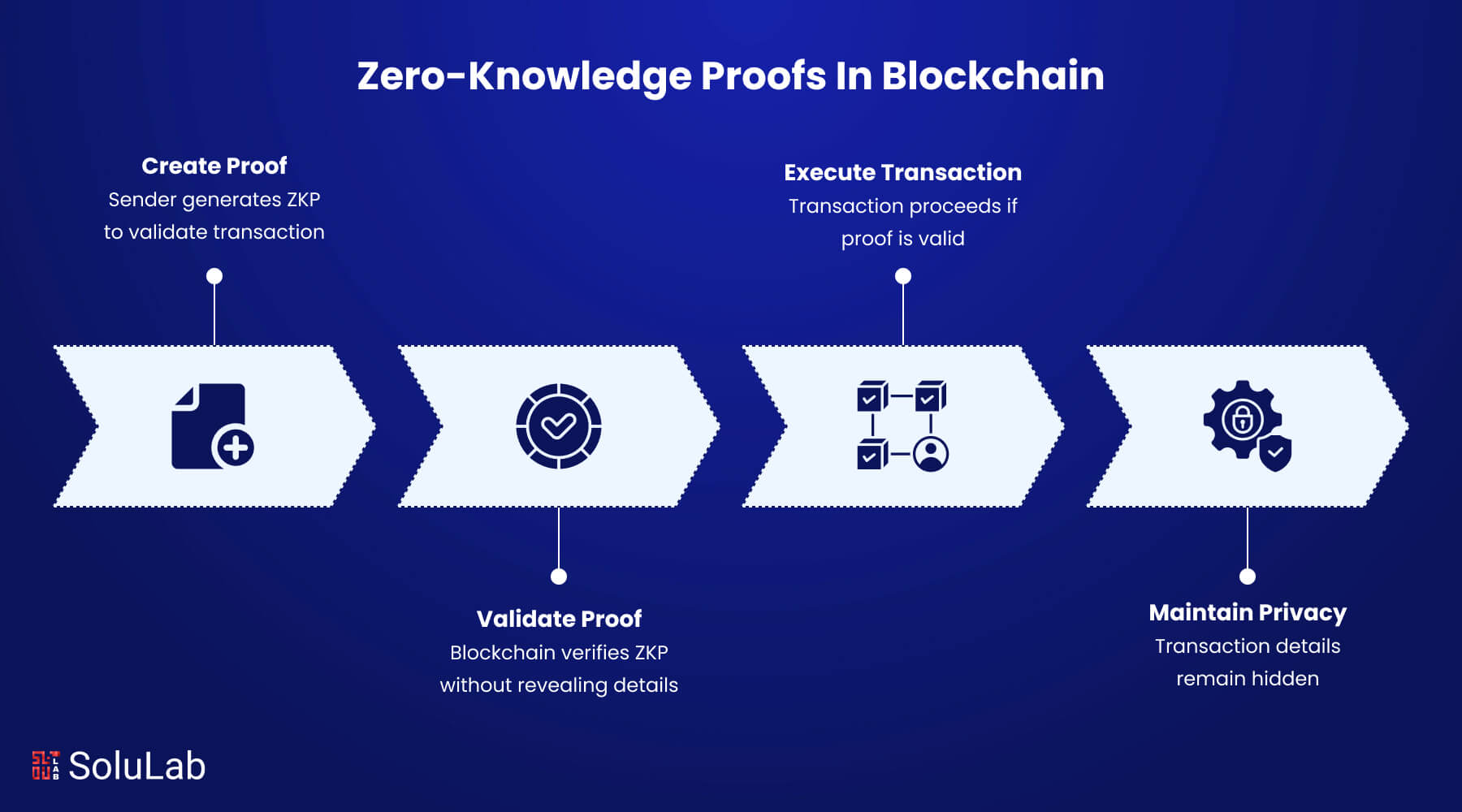
This approach allows enterprises to meet strict regulatory requirements like GDPR or HIPAA without sacrificing the auditability that blockchain provides. The system proves that a transaction adhered to business rules without revealing the sensitive details contained within it. This is particularly critical for cross-border supply chains or healthcare interoperability, where data sovereignty is paramount.
Market context and infrastructure
The underlying infrastructure for these privacy-preserving transactions relies heavily on Ethereum's security model. As the primary settlement layer for ZK-rollups, Ethereum's price action and network health directly impact the cost and speed of these enterprise transactions. Understanding the market dynamics of the base layer is essential for forecasting the scalability and cost-efficiency of ZK-rollup deployments.
The adoption of ZK-rollups is not just a technical upgrade; it is a compliance necessity. As regulatory scrutiny of digital assets increases, the ability to prove compliance without revealing trade secrets or personal data becomes a competitive advantage. Enterprises that integrate ZK-rollups early position themselves to navigate future privacy laws with greater agility, turning cryptographic complexity into a regulatory asset.
Comparing ZK-proof use cases for compliance
Zero-knowledge proofs (ZKP) are cryptographic techniques that allow one party to prove the validity of a statement without disclosing any confidential details [src-serp-4]. For enterprise compliance, the choice of ZK application hinges on balancing regulatory fit, privacy preservation, and implementation complexity. The following comparison evaluates three primary use cases: identity verification, transaction auditing, and regulatory reporting.
| Use Case | Regulatory Fit | Privacy Level | Implementation Complexity |
|---|---|---|---|
| Identity Verification | High (GDPR, KYC) | Maximum (minimal data exposure) | High (requires trusted setup or complex circuits) |
| Transaction Auditing | Medium (AML, Tax) | High (proof of balance/funds without revealing counterparties) | Medium (standardized circuits available) |
| Regulatory Reporting | Low to Medium (static data submission) | Low (data often required for full audit trail) | Low (simple arithmetic checks) |
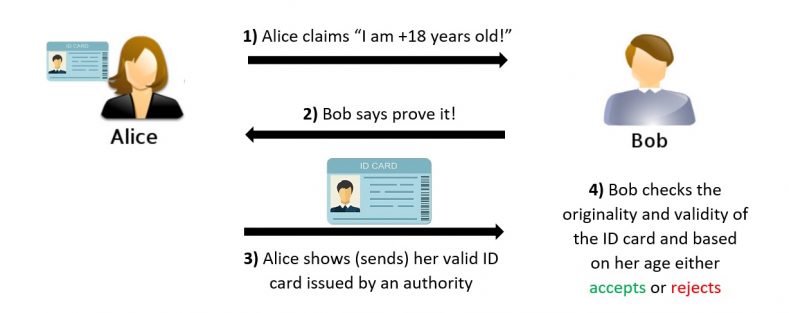
Identity verification offers the highest privacy gain, aligning with GDPR’s data minimization principles. By proving attributes like age or citizenship without revealing the underlying document, enterprises can satisfy age-assurance requirements while protecting user data [src-serp-6]. However, this use case demands high implementation complexity due to the need for robust, trusted setups or complex zero-knowledge circuits.
Transaction auditing provides a strong middle ground for Anti-Money Laundering (AML) compliance. It allows institutions to prove the legitimacy of funds or the balance of an account without exposing the full transaction history or counterparty identities. While privacy remains high, the complexity is moderate as standardized circuits are increasingly available. Regulatory reporting, conversely, often requires direct data submission for audit trails, limiting the privacy benefits of ZKPs and reducing their regulatory fit for static reporting tasks.
Navigating data privacy regulations 2026
Enterprise compliance teams face a shifting landscape in 2026, where zero-knowledge proofs (ZKPs) move from experimental cryptography to a core component of regulatory strategy. Laws like the GDPR and emerging 2026 data privacy frameworks demand that organizations minimize data exposure while maintaining auditability. ZKPs provide a technical mechanism to prove compliance without revealing the underlying sensitive data, effectively decoupling verification from disclosure.
A primary concern for legal teams is ensuring that ZKP implementations meet recognized industry benchmarks. The ZKProof Standards initiative serves as a critical reference point for validating proof systems. By adhering to these open-industry academic standards, enterprises can demonstrate that their cryptographic protocols are robust against modern attacks, a requirement often scrutinized during regulatory audits. The upcoming ZKProof 8 event in Rome on May 9-10, 2026, will further refine these standards, signaling a maturation of the ecosystem toward enterprise-grade reliability.
When aligning with specific 2026 data privacy laws, the focus shifts to granular control. Regulations increasingly require "data minimization"—collecting and processing only what is strictly necessary. ZKPs enable this by allowing organizations to verify attributes (such as age, citizenship, or creditworthiness) without exposing the full dataset. This capability directly addresses the "purpose limitation" principle, as data is only revealed to the extent required for a specific transaction or verification step.
Legal frameworks are also evolving to recognize cryptographic proofs as valid forms of consent and authorization. For instance, proving that a user has consented to data processing can be done via a ZKP, creating an immutable, privacy-preserving record. This reduces the attack surface associated with storing consent logs in plaintext. As 2026 regulations tighten, relying on traditional data silos for compliance becomes a liability; ZKPs offer a path to regulatory alignment that protects both the user and the institution.
Choosing the right ZK-proof strategy
Legal and compliance teams must align ZK architectures with specific regulatory obligations rather than adopting a single standard. The decision rests on whether the requirement is to prove eligibility without revealing identity (privacy) or to verify data integrity without exposing the underlying dataset (auditability).
For identity verification, such as age gating or KYC, non-interactive zero-knowledge proofs (NIZKs) allow users to publish proofs that anyone can verify without interaction. This approach minimizes data retention risks by ensuring the verifier never sees the raw personal data, only the cryptographic proof of compliance [1].
For financial auditability, zero-knowledge rollups (ZK-Rollups) offer a different tradeoff. They compress transaction data into a single proof submitted to the main chain, allowing regulators to verify the state of the ledger without processing every individual transaction. This reduces computational overhead while maintaining an immutable record for compliance checks.
When selecting a strategy, prioritize the data sensitivity and the frequency of verification. If the goal is to minimize data exposure in high-stakes legal environments, NIZKs provide a stronger privacy guarantee. If the goal is scalable audit trails for large datasets, ZK-Rollups offer better efficiency. Always consult primary regulatory guidance to ensure the chosen proof system meets jurisdictional standards for evidence admissibility.
No comments yet. Be the first to share your thoughts!