
ZK technology crosses the production chasm
Zero-knowledge proofs (ZKPs) have moved from theoretical cryptography to production-grade infrastructure. In 2026, the technology is no longer an experimental curiosity but a foundational layer for scalable and private digital systems. This shift is driven by the urgent need to verify data without exposing it, enabling everything from high-throughput blockchains to consumer-grade identity tools.
The most visible application of this maturity is ZK-Rollups. These scalability solutions batch thousands of transactions off-chain and submit a single zero-knowledge proof to the main chain. This approach drastically reduces gas fees and increases throughput while maintaining the security guarantees of the underlying blockchain. Major Ethereum Layer 2 networks now rely on ZK-Rollups to handle daily transaction volumes that would otherwise congest the mainnet.
Beyond finance, ZKPs are enabling practical privacy tools. For example, services like Vega can generate zero-knowledge proofs of age from a mobile driver's license in approximately 92 milliseconds on commodity hardware. This speed and efficiency make it feasible to verify attributes like age or residency without revealing the underlying personal data. Such capabilities are critical for complying with privacy regulations while maintaining user convenience.
The transition to production is also evident in cross-chain interoperability. ZK-based bridges allow assets to move between different blockchain networks with cryptographic verification, reducing the risk of exploits that have plagued traditional wrapped-asset bridges. As the ecosystem matures, we expect to see more standardized protocols and developer tools that simplify the integration of zero-knowledge proofs into everyday applications.
ZK-SNARKs vs ZK-STARKs
Zero-knowledge proofs allow one party to prove a statement is true without revealing the underlying data. This capability drives the privacy and scalability of modern blockchains. However, not all zero-knowledge systems are built the same. The two dominant architectures, ZK-SNARKs and ZK-STARKs, offer fundamentally different trade-offs between proof size, verification speed, and security assumptions.
Choosing between them depends on your specific constraints. SNARKs are currently the industry standard for rollups due to their compact size, which minimizes data storage costs on layer 1. STARKs, while producing larger proofs, offer quantum resistance and do not require a trusted setup, eliminating a significant security risk associated with initial key generation.
Comparison of Proof Systems
The table below outlines the core technical differences between these two cryptographic primitives.
| Feature | ZK-SNARK | ZK-STARK |
|---|---|---|
| Proof Size | Small (KB range) | Large (MB range) |
| Verification Time | Fast | Slower |
| Trusted Setup | Required | Not Required |
| Quantum Resistance | No | Yes |
| Underlying Math | Elliptic Curves | Collision-Resistant Hashing |
When to Use Each
Use ZK-SNARKs when data availability and storage costs are your primary concerns. Their small proof size makes them ideal for rollups that need to post compressed data to Ethereum mainnet. Projects like Aztec and zkSync have relied on this efficiency to scale transaction throughput.
Choose ZK-STARKs when long-term security and decentralization are paramount. Because STARKs do not rely on a trusted setup, there is no risk of malicious actors stealing secret keys during the initial ceremony. Their reliance on hash functions makes them resistant to future quantum computing attacks, offering a more durable cryptographic foundation for identity and privacy applications.
Decision Checklist
-
Do you need minimal on-chain data footprint? Choose SNARKs.
-
Is quantum resistance a strict requirement? Choose STARKs.
-
Do you want to avoid trusted setup ceremonies? Choose STARKs.
-
Is verification speed less critical than proof size? Choose STARKs.
ZK-Rollups dominate blockchain scalability
Zero-Knowledge Rollups (ZK-Rollups) have emerged as the leading scaling solution for Ethereum and other Layer 1 networks. By batching hundreds of transactions off-chain and submitting a single cryptographic proof to the main chain, they deliver high throughput without compromising security. This approach allows the network to process transactions at a fraction of the cost of Layer 1 execution, while maintaining the same level of trustlessness and data integrity.
Unlike optimistic rollups, which require a challenge period to verify validity, ZK-Rollups use mathematical proofs to instantly confirm that transactions are correct. This means users get faster finality and lower gas fees. The system works like a digital notary: it verifies the validity of a large batch of data without needing to re-execute every single transaction on the main chain.
The economic efficiency of ZK-Rollups comes from their ability to compress data. Instead of storing full transaction data on-chain, they store only the proof and minimal state updates. This reduces the burden on Ethereum’s data availability layer, allowing the network to scale horizontally. As more developers build on this architecture, the ecosystem is becoming more robust and capable of supporting high-frequency applications.
Privacy-preserving DeFi and decentralized identity
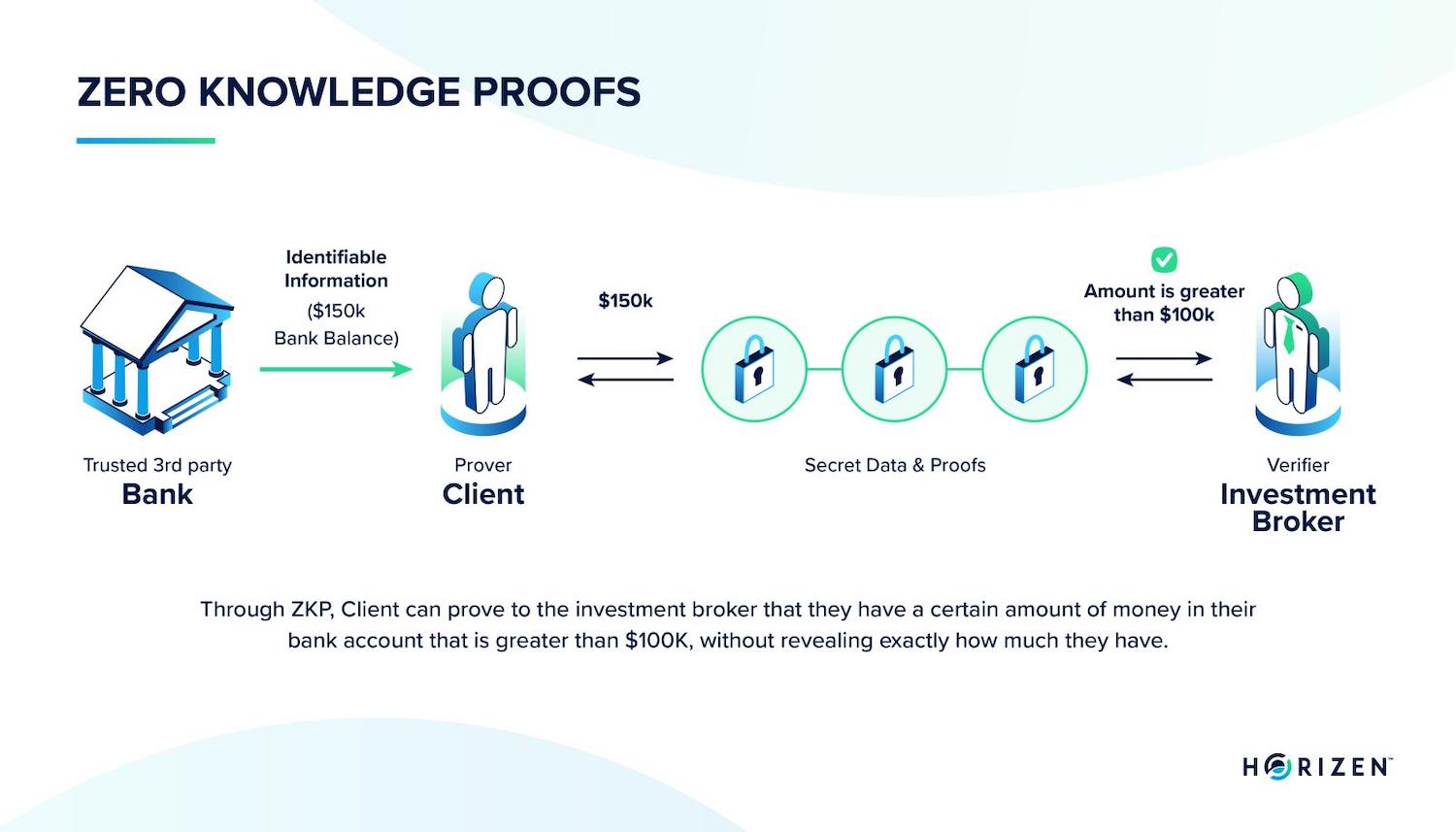
The 2026 landscape for privacy-preserving DeFi and decentralized identity (DID) has shifted from theoretical promise to production reality. ZK-proofs now enable financial interactions that remain verifiable without exposing the underlying sensitive data, solving the long-standing tension between regulatory compliance and user privacy.
In DeFi, private transactions allow users to prove solvency or eligibility without revealing their entire balance sheet. This capability is critical for institutional adoption, where trade secrets and client data must remain confidential on public ledgers. Simultaneously, decentralized identity systems leverage ZK-proofs to issue verifiable credentials. Users can prove attributes—such as being over 18 or residing in a specific jurisdiction—without sharing their full identity documents.
This dual approach creates a more resilient Web3 infrastructure. DeFi protocols can enforce compliance rules, such as KYC/AML requirements, while users retain control over their personal data. As these systems mature, the distinction between "private" and "compliant" finance is disappearing, replaced by a unified model where privacy is the default and verification is seamless.
Key projects and market adoption in 2026
The zero-knowledge proof (ZKP) landscape has moved from experimental research to production-scale infrastructure. Major protocols now treat ZKPs not just as a privacy tool, but as the primary engine for blockchain scalability and verifiable identity. This section outlines the leading projects driving this adoption in 2026.
ZK-Rollups Scaling Ethereum
ZK-rollups remain the dominant use case for zero-knowledge technology, offering the highest throughput and security guarantees among Layer 2 solutions. By batching transactions off-chain and submitting a single validity proof on-chain, these networks achieve significantly lower fees while inheriting Ethereum's security. The market is consolidating around a few major players that have proven their reliability over extended periods.
Privacy and Identity Protocols
Beyond scaling, ZKPs are reshaping digital identity and private transactions. Projects like Aztec and Mina are pioneering zkApps (zero-knowledge applications) that allow users to prove attributes—such as age or creditworthiness—without revealing underlying data. This shift enables compliant yet private financial interactions, moving privacy from a niche feature to a standard requirement for modern dApps.
Cross-Chain Interoperability
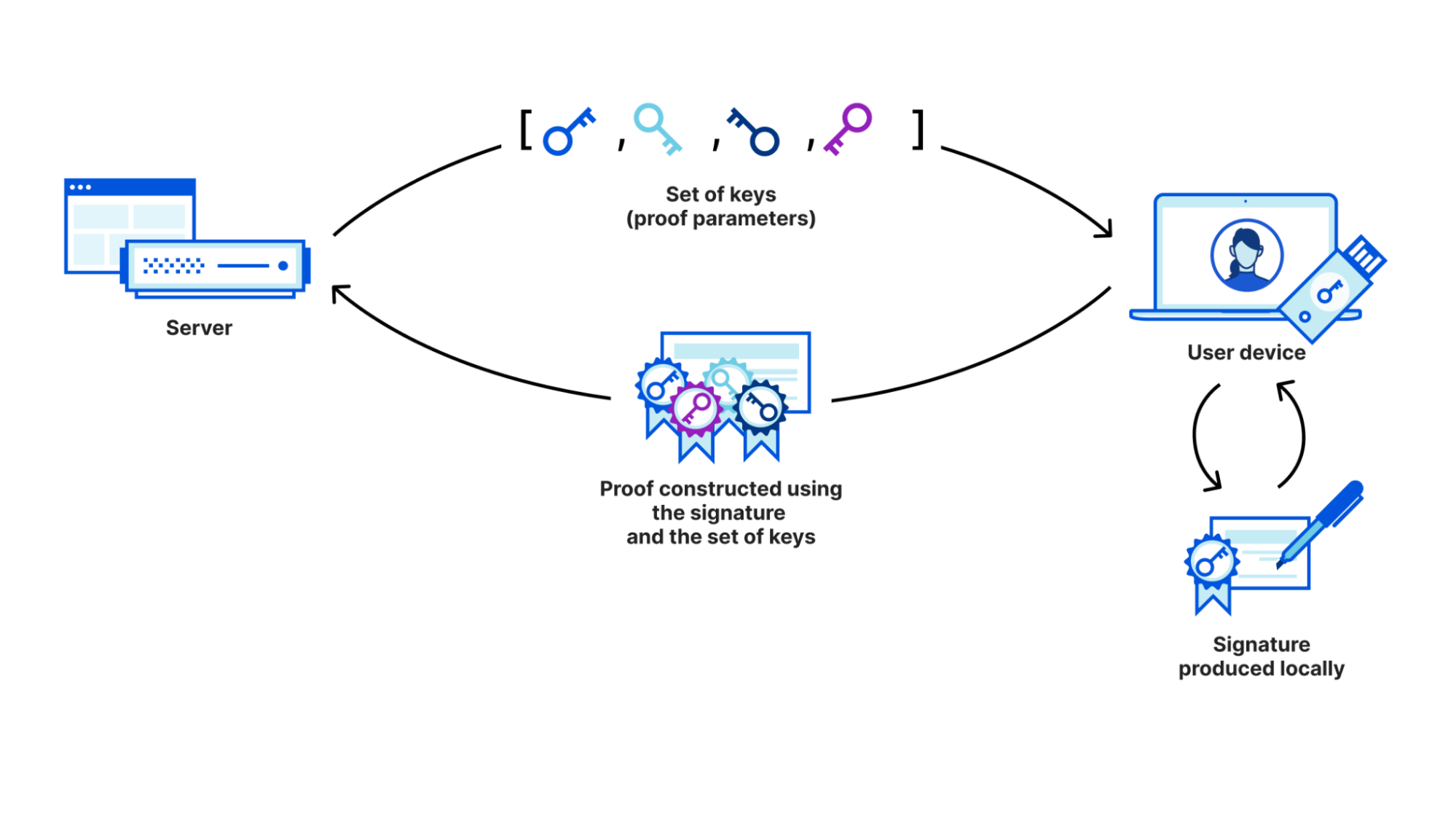
Zero-knowledge bridges are becoming the preferred method for moving assets between disparate blockchains. Unlike traditional wrapped assets that rely on multi-signature custodians, ZK bridges verify the state of the source chain cryptographically. This reduces counterparty risk and enhances security, making cross-chain liquidity more robust and trustworthy for institutional and retail users alike.
No comments yet. Be the first to share your thoughts!