
The zero-knowledge proofs 2026 limits to account for
Regulators are shifting from demanding raw data access to requiring cryptographic proof of compliance. By 2026, the primary constraint for data controllers is no longer just about hiding data, but about proving it was handled correctly without exposing the underlying personal information.
This shift is driven by the convergence of stricter GDPR enforcement and emerging CCPA guidelines that recognize zero-knowledge proofs (ZKPs) as a valid technical safeguard. The goal is to allow auditors and regulators to verify that data processing meets legal standards without forcing companies to hand over sensitive user records.
The ZKProof Standards initiative, scheduled for its 2026 conference in Rome, is working to mainstream these cryptographic protocols. Their aim is to create a common language for ZKP implementation, ensuring that different systems can interoperate and that regulators can audit proof systems consistently across borders.
For legal teams, this means moving beyond abstract privacy concepts to concrete technical audits. You will need to verify that your ZKP implementations meet specific mathematical standards and that the proof verification process is transparent enough for regulatory review.
Zero-knowledge proofs 2026 choices that change the plan
Implementing zero-knowledge proofs for GDPR and CCPA compliance in 2026 requires balancing cryptographic rigor with operational reality. The technology is no longer theoretical; it is moving into identity verification, age checks, and credential audits. However, the choice of ZKP system dictates how much data you actually protect and how much infrastructure you must maintain.
When evaluating ZKP solutions, you must weigh proof size against verification speed. Some systems generate tiny proofs that verify instantly but require massive setup costs. Others offer faster setup but produce bulkier data that strains network bandwidth. The table below compares the primary tradeoffs across common ZKP architectures used in compliance stacks.
| System | Proof Size | Verification Speed | Setup Cost | Best For |
|---|---|---|---|---|
| SNARKs | Small | Fast | High | High-volume, low-latency checks like age verification |
| STARKs | Medium | Medium | Low | Post-quantum resistant data integrity and large datasets |
| Bulletproofs | Large | Slow | Low | Private range proofs (e.g., income verification) without trusted setup |
| PlonKs | Small | Fast | Medium | General-purpose circuits with reusable setup parameters |
The decision often hinges on your specific regulatory burden. If you are processing millions of age-verification requests, SNARKs offer the efficiency needed to keep costs down. If you are handling sensitive financial data where quantum resistance matters, STARKs may be worth the larger proof sizes. Bulletproofs remain a niche tool for specific range proofs where you cannot afford a trusted setup ceremony.
How to Implement ZK Proofs for GDPR and CCPA Compliance
The 2026 regulatory landscape requires more than theoretical knowledge of zero-knowledge proofs; it demands a structured implementation strategy. As the ZKProof Standards initiative moves toward its 2026 Rome summit, organizations must align their cryptographic protocols with emerging compliance frameworks. This section outlines the practical steps to integrate ZKP into your data governance stack.
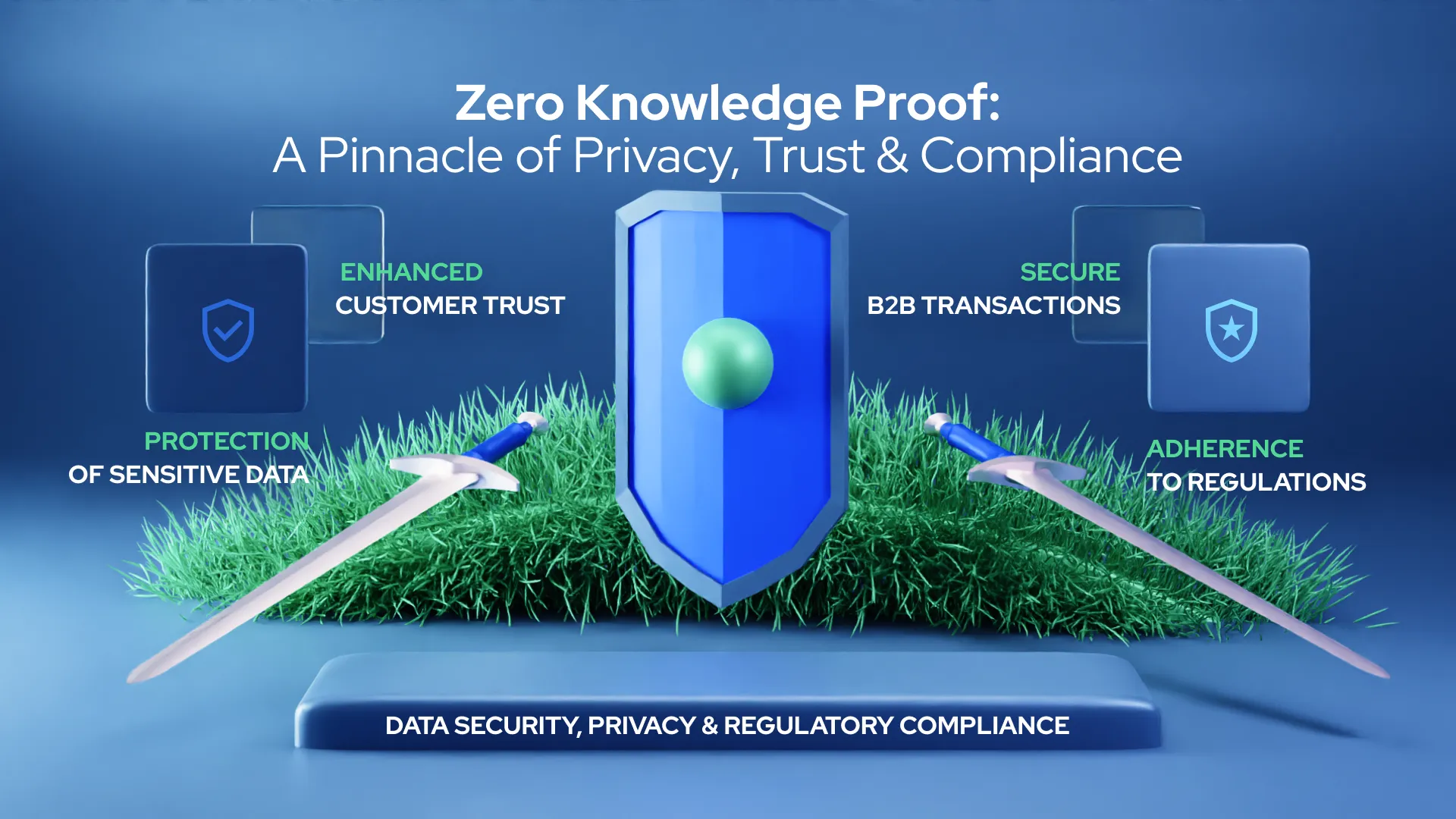
Begin by identifying which data attributes require proof without disclosure. Not every dataset benefits from ZKP. Focus on high-risk fields like age, income brackets, or identity verification where regulatory scrutiny is highest. Map these attributes to specific cryptographic relations that ZKP can validate.
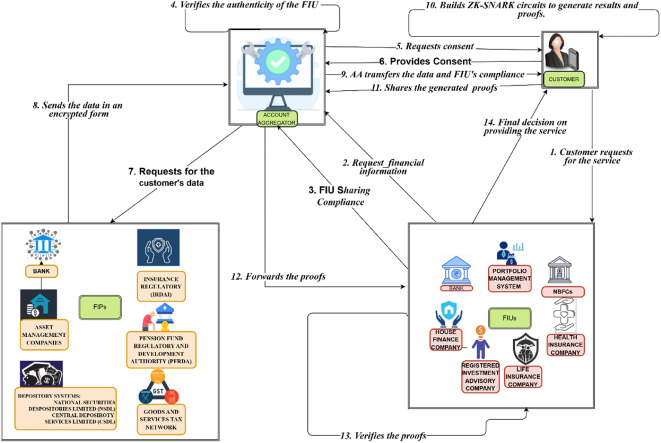
Choose zero-knowledge circuits that have undergone formal verification. Rely on standards from the ZKProof community to ensure interoperability and legal defensibility. Avoid custom, untested implementations for compliance-critical tasks. Verified circuits reduce the risk of mathematical flaws that could invalidate your privacy claims.
Embed proof generation into your existing data pipelines. Use non-interactive zero-knowledge proofs (NIZK) to allow one-time proof publication that can be verified repeatedly without reprocessing sensitive data. This reduces computational overhead and ensures that compliance checks do not bottleneck user experience.
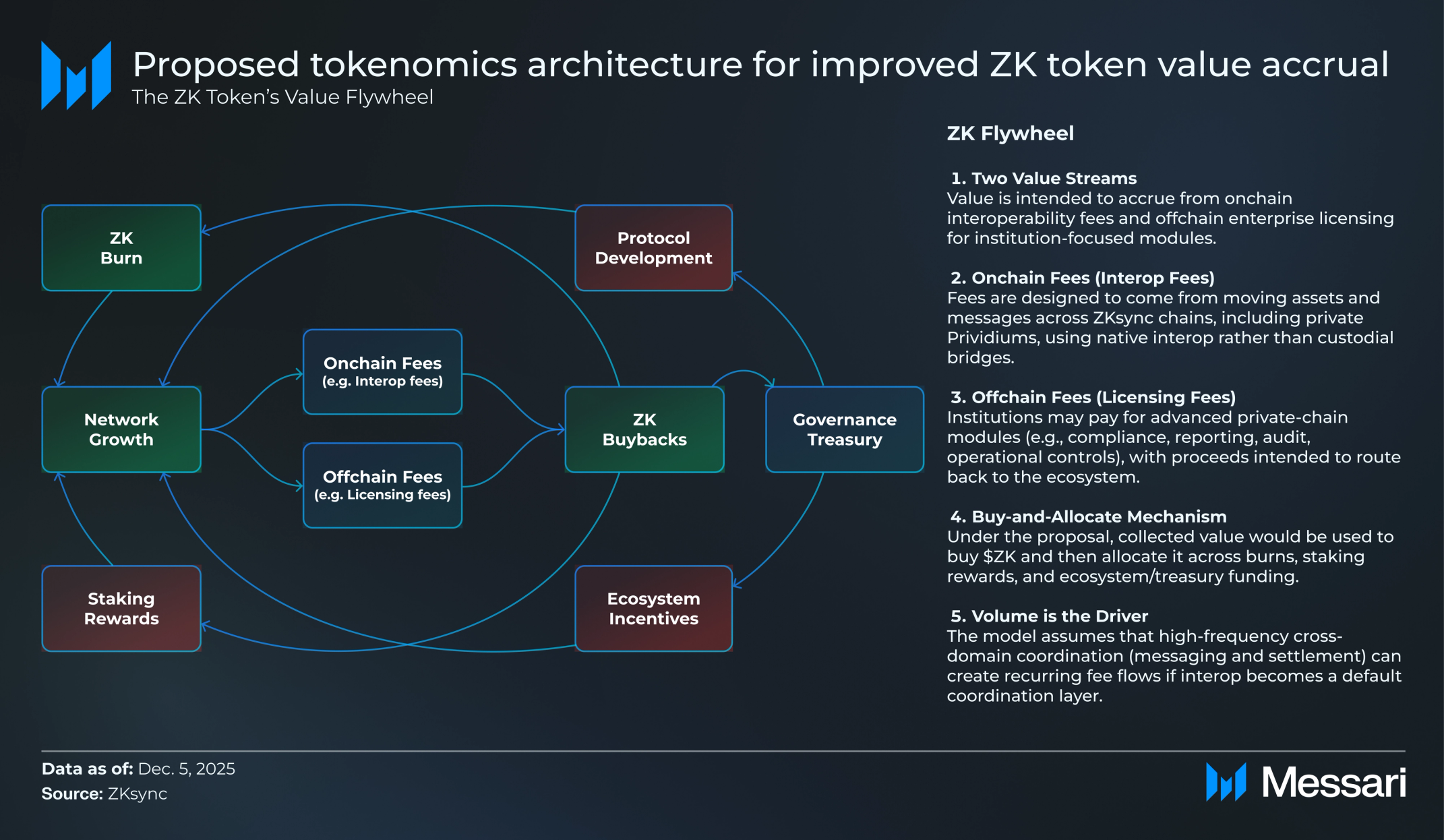
Test your ZKP implementation against GDPR and CCPA requirements. Ensure that the proof does not leak auxiliary information. Consult with legal counsel to confirm that your cryptographic approach meets the "privacy by design" standard. Document the verification process for potential regulatory audits.
Common Mistakes in ZK Compliance Claims
As the 2026 regulatory landscape tightens, several misleading claims are emerging around zero-knowledge proofs. The ZKProof Standards initiative, meeting in Rome this May, aims to mainstream these cryptographic protocols, yet many projects still overpromise. A major pitfall is assuming ZKP automatically solves all data privacy issues. It does not; it only proves specific statements without revealing the underlying data. Confusing this with full anonymization leads to non-compliance with GDPR and CCPA requirements for data minimization.
Another frequent error is ignoring the computational cost of generating proofs. While ZKPs enhance security, they require significant resources. Projects that claim "zero overhead" are often hiding the real-world infrastructure costs. Additionally, some platforms falsely assert that their ZKP implementation is "regulatory-ready." Compliance requires more than just cryptography; it demands legal interpretation of how proof verification aligns with right-to-be-forgotten requests. Always verify if a solution addresses both the technical and legal dimensions of privacy regulations.
Zero-knowledge proof 2026: what to check next
As regulatory frameworks tighten around data privacy, the practical application of zero-knowledge technology has moved from theoretical cryptography to essential compliance infrastructure. Below are the most common questions regarding how these proofs function and their current standing in the market.
These answers reflect the current state of adoption, where ZKPs are increasingly viewed as a standard for digital privacy and regulatory alignment rather than a niche cryptographic tool.
No comments yet. Be the first to share your thoughts!