
The zero-knowledge proofs 2026 limits to account for
The regulatory landscape for data privacy is shifting from voluntary best practices to strict technical enforcement. By 2026, the primary constraint for compliance is no longer just about how data is stored, but whether it can be verified without being exposed. Zero-knowledge proofs (ZKPs) have moved from academic theory to a mandatory infrastructure layer for organizations handling sensitive personal information.
This shift is driven by the ZKProof Standards initiative, which is convening its next major standards meeting in Rome on May 9-10, 2026. The goal is to mainstream ZKP cryptography into official compliance frameworks. For legal and regulatory teams, this means that cryptographic proofs will soon serve as the primary evidence of data minimization and consent, replacing traditional audit logs in many jurisdictions.
Implementing ZKPs allows organizations to prove that a transaction or data request meets specific legal criteria without revealing the underlying personal data. This capability directly addresses the "data minimization" principle enshrined in regulations like the GDPR. As standards solidify in 2026, relying on opaque data storage will become a compliance risk. Organizations must adopt ZKP-compatible architectures to demonstrate lawful processing without compromising user privacy.
The transition requires a fundamental change in data architecture. Instead of storing raw user data for verification, systems will generate cryptographic proofs that can be independently validated. This approach reduces the attack surface for data breaches while providing regulators with immutable, verifiable proof of compliance. The 2026 constraint is clear: privacy and compliance are no longer separate goals, but technical requirements solved through zero-knowledge cryptography.
Zero-knowledge proofs 2026 choices that change the plan
Use this section to make the The Privacy Standard decision easier to compare in real life, not just on paper. Start with the reader's actual constraint, then separate must-have requirements from details that are merely nice to have. A practical choice should survive normal use, maintenance, timing, and budget. If a recommendation only works in an ideal situation, call that out plainly and give the reader a fallback path.
| Factor | What to check | Why it matters |
|---|---|---|
| Fit | Match the option to the primary use case. | A good deal still fails if it does not fit the job. |
| Condition | Verify age, wear, and service history. | Hidden condition issues erase upfront savings. |
| Cost | Compare purchase price with likely upkeep. | The cheapest option is not always the lowest-cost option. |
How to evaluate zero-knowledge compliance frameworks
Zero-knowledge proofs are moving from experimental cryptography to a mandatory layer for data compliance. With the 2026 ZKProof Standards conference scheduled for May in Rome, the industry is formalizing what was once purely academic. For legal and compliance teams, the shift requires a practical evaluation framework rather than abstract trust.
Use this checklist to determine if a zero-knowledge solution meets current regulatory expectations. Focus on verifiability, auditability, and jurisdictional clarity.

Look for solutions based on established protocols like zk-SNARKs or STARKs. Avoid proprietary, unverified proof systems. The ZKProof standards body publishes a list of verified schemes. Compliance auditors need to know the mathematical foundation is battle-tested, not experimental.
Non-interactive zero-knowledge proofs (NIZKs) are essential for modern compliance. They allow one party to publish a proof that anyone can verify without a back-and-forth conversation. This reduces latency and simplifies the audit trail for regulators who need to check data integrity independently.
Zero-knowledge systems rely on cryptographic keys. Determine who holds the proving keys and the verification keys. If the service provider holds the keys, it defeats the purpose of privacy. Ensure the architecture supports decentralized or user-held key management to maintain true non-disclosure.
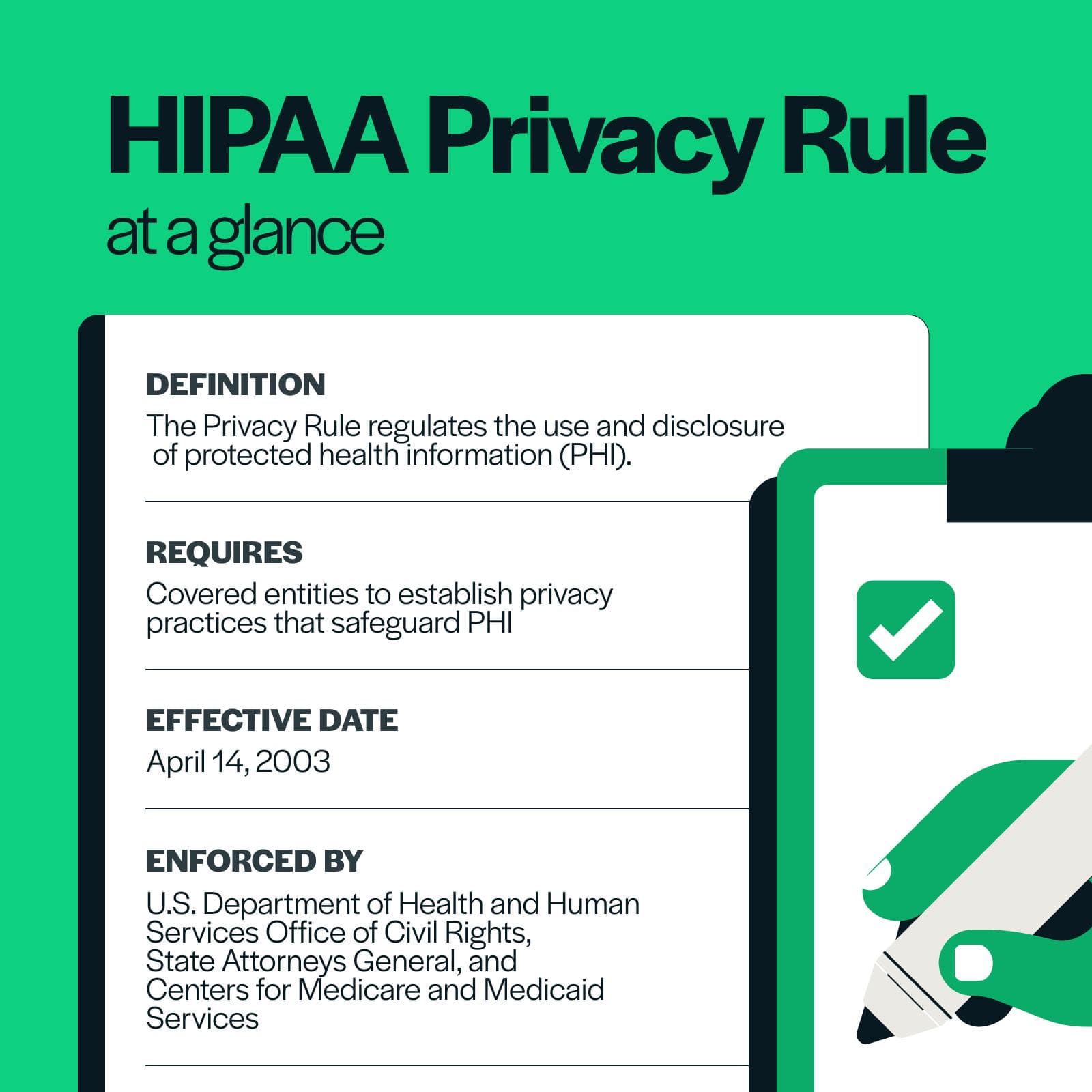
Even with ZKP, metadata can leak information. Ensure the solution complies with GDPR, HIPAA, or CCPA requirements regarding where proof generation occurs. Some jurisdictions require data to remain within borders. Verify that the proof generation infrastructure is located in approved regions.
No code is perfect. Require evidence of independent security audits from reputable firms. Look for audits that specifically test for side-channel attacks and key leakage. A clean audit report is often more valuable than the marketing materials of a compliance tool.
-
Verify proof system is listed on ZKProof.org
-
Confirm non-interactive verification capability
-
Ensure user-held key management
-
Check data residency compliance
-
Review recent third-party security audits
Spotting Weak ZKP Compliance Claims
Many vendors market "zero-knowledge" features that fail basic regulatory scrutiny. The ZKProof Standards body, an open-industry academic initiative, is preparing its 2026 standards in Rome to address these gaps. Without strict adherence to these emerging norms, your compliance efforts may be built on shaky ground.
Be wary of vague assertions about "privacy-preserving" data handling. Legitimate zero-knowledge proofs must undergo rigorous verification. If a provider cannot cite specific ZKProof committee guidelines or provide transparent audit trails, the claim is likely marketing fluff. Focus on implementations that allow independent verification of the proof's validity without exposing the underlying data.
Common mistakes include confusing simple encryption with actual zero-knowledge protocols. Encryption protects data at rest; ZKPs prove knowledge of a fact without revealing the fact itself. For data compliance, this distinction is critical. Ensure your chosen solution supports non-interactive proofs that can be publicly verified, as outlined in recent cybersecurity research on TRZKP systems.
Zero-knowledge proofs 2026: what to check next
As zero-knowledge proofs move from experimental cryptography to mandatory compliance tools, practical questions dominate the conversation. Below are answers to the most common queries about legitimacy, specific blockchain implementations, and available options in 2026.
No comments yet. Be the first to share your thoughts!