
Zero-knowledge proofs 2026 limits to account for
The definition of zero-knowledge proofs has shifted from theoretical cryptography to operational compliance. In 2026, the primary constraint is no longer whether the math works, but whether the proof generation fits within enterprise audit windows. Organizations now face the dual pressure of regulatory deadlines and the computational cost of generating valid proofs at scale.
Regulatory bodies are moving past general interest to specific implementation standards. The ZKProof Standards initiative, scheduled for its 2026 meeting in Rome, highlights the industry's push toward interoperable protocols. This shift means that "zero-knowledge" is no longer a black box but a verifiable component of data governance frameworks.
For legal and compliance teams, the focus is on validation. A proof must be generated quickly enough to meet transactional needs while remaining small enough to store and verify across jurisdictions. The tradeoff is clear: heavier cryptographic schemes offer stronger privacy guarantees but demand more infrastructure, while lighter proofs may struggle with cross-border regulatory acceptance.
Zero-knowledge proofs 2026 choices that change the plan
Choosing a ZK implementation in 2026 requires balancing computational cost, verification speed, and legal admissibility. The industry has moved beyond theoretical benchmarks to real-world deployment constraints. Organizations must evaluate how each proof system handles enterprise-scale data loads while maintaining compliance with evolving privacy regulations.
The primary decision lies between proof generation latency and verification efficiency. Some systems generate proofs quickly but require heavy computation for verification, while others reverse this dynamic. For enterprise privacy compliance, verification speed often matters more in high-throughput environments like payment settlements or identity checks.
| Feature | STARKs | SNARKs | Bulletproofs |
|---|---|---|---|
| Proof Size | Large (100s of KB) | Small (KB) | Medium (KB) |
| Verification Time | Fast | Very Fast | Slow |
| Setup Requirement | Transparent | Trusted Setup | Transparent |
| Quantum Resistance | Yes | No | No |
| Best Use Case | High-throughput | Mobile/On-chain | Range proofs |
STARKs offer transparent setups and quantum resistance, making them attractive for long-term compliance strategies. However, their larger proof sizes can strain bandwidth in mobile or low-latency applications. SNARKs remain the standard for on-chain verification due to their small size and fast verification, but they require a trusted setup ceremony that some legal frameworks scrutinize. Bulletproofs excel in range proofs for financial privacy but lack the scalability needed for broad enterprise identity systems.
Legal teams should prioritize systems with transparent setups to avoid trusted ceremony risks. The ZKProof initiative’s 2026 standards in Rome aim to standardize these evaluations, providing a clearer path for regulatory acceptance. Organizations deploying ZKP for age verification or credential checks should align with these emerging standards to ensure future-proof compliance.
How to Evaluate ZK-Rollups for Enterprise Compliance
Selecting a zero-knowledge proof (ZKP) solution requires moving beyond theoretical benchmarks to practical compliance checks. In 2026, the gap between academic prototypes and production-ready infrastructure has narrowed, but verification costs and regulatory alignment remain critical differentiators. This framework guides technical and legal teams through the essential evaluation steps.
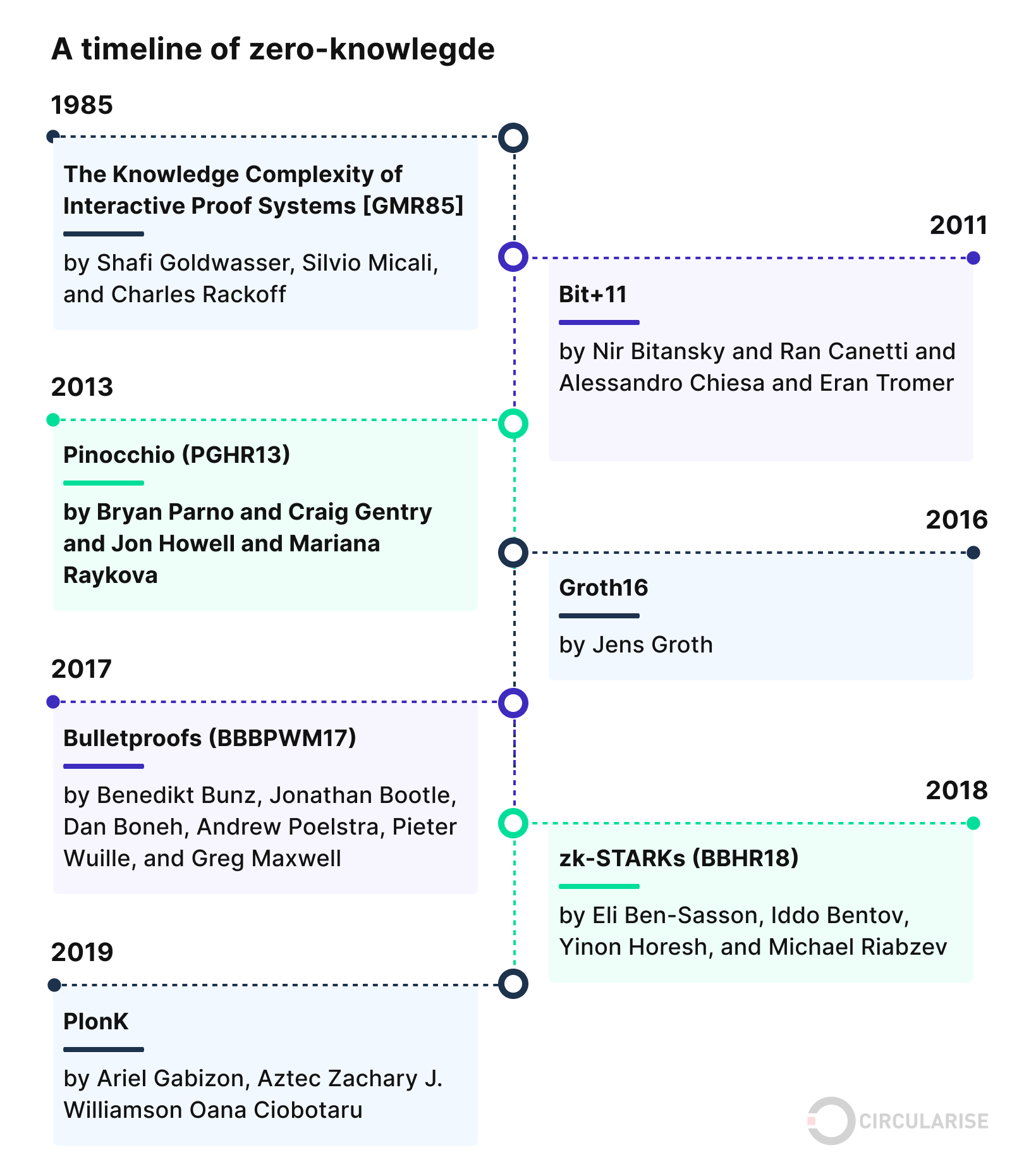
Prioritize protocols aligned with established standards like those from ZKProof. Official standardization ensures that your proofs are interoperable and auditable by third-party security firms. Look for implementations that support widely recognized circuits, such as PLONK or STARKs, rather than proprietary, closed-loop systems. This reduces vendor lock-in and simplifies future audits.
Enterprise workloads demand predictable performance. Evaluate the gas cost or computational overhead required to verify a proof on the target chain or private ledger. Low-latency verification is non-negotiable for real-time compliance reporting. Request benchmark data for your specific data volume to ensure the solution scales without prohibitive fees or network congestion.
Privacy does not mean opacity. Ensure the ZK-Rollup architecture allows for selective disclosure to regulators when legally mandated. The system must support "keyless" or trusted setup ceremonies that are transparent and verifiable. Check if the provider offers tools for generating audit trails that satisfy GDPR, CCPA, or financial sector requirements without exposing raw customer data.
-
Confirm ZKProof or equivalent standard alignment
-
Test verification latency at scale
-
Validate regulatory disclosure capabilities
-
Review trusted setup ceremony transparency
Watchouts for ZK-Rollup Claims
Enterprise buyers often encounter inflated marketing around zero-knowledge rollups. ZKProof, the open-industry academic initiative, warns that not all "ZK-ready" solutions meet rigorous security standards. Before committing, verify whether the protocol uses a trusted setup or a transparent one, as this distinction impacts long-term trust assumptions.
Another common mistake is ignoring the proof generation latency. While ZK-rollups offer privacy, the computational cost of generating zk-SNARKs or zk-STARKs can introduce delays. For high-frequency enterprise transactions, this latency may not align with real-time compliance requirements. Always benchmark proof times against your specific workload.
Finally, be wary of vague claims about "complete anonymity." Most enterprise ZK-rollups provide pseudonymity, not absolute invisibility. Regulatory bodies like the EU’s MiCA framework require certain levels of transparency for anti-money laundering (AML) compliance. Ensure your chosen solution supports selective disclosure mechanisms to satisfy these legal obligations.
Zero-knowledge proofs 2026: what to check next
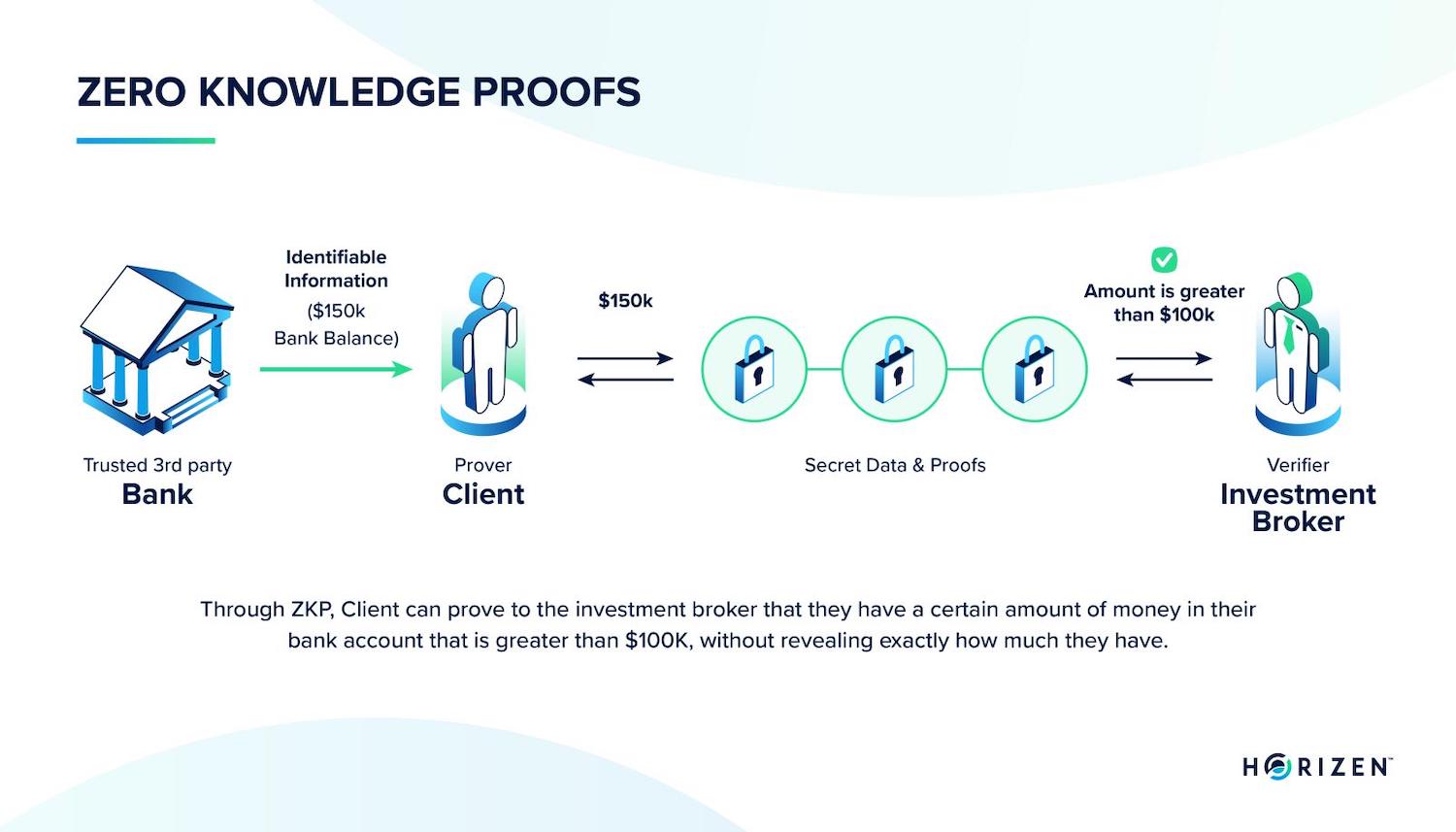
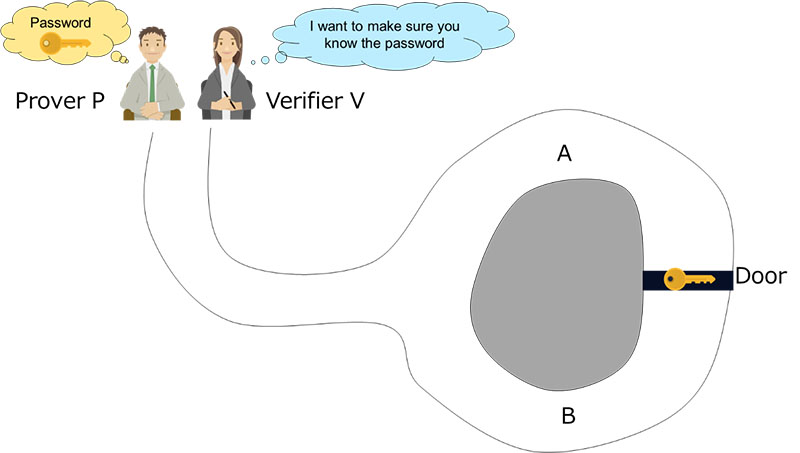
Zero-knowledge proofs (ZKPs) are a proven cryptographic method allowing one party to demonstrate ownership of specific knowledge without revealing the underlying data [src-5]. By 2026, these proofs have moved beyond theoretical research into practical applications for identity verification, compliance checks, and secure settlement [src-3]. ZKProof, an open-industry academic initiative, continues to standardize these protocols to ensure security and interoperability across enterprise systems [src-2]. The following questions address the most common practical concerns regarding ZKP legitimacy, implementation, and current market usage.
No comments yet. Be the first to share your thoughts!