
Why zero-knowledge proofs matter for 2026
Zero-knowledge proofs (ZKPs) are shifting from cryptographic theory to the backbone of digital infrastructure. As artificial intelligence and global finance converge, the demand for privacy-preserving computation has become urgent. In 2026, ZKPs offer a way to verify data without exposing the underlying information, solving the tension between transparency and confidentiality.
Consider age verification. Currently, proving you are over 18 often requires sharing your full birthdate or uploading a government ID. With ZK infrastructure, you can generate a proof that confirms you meet the age requirement without revealing your exact date of birth or identity. Similarly, in financial transactions, ZKPs allow institutions to validate compliance and solvency without exposing customer balances or trading strategies to competitors or public ledgers.
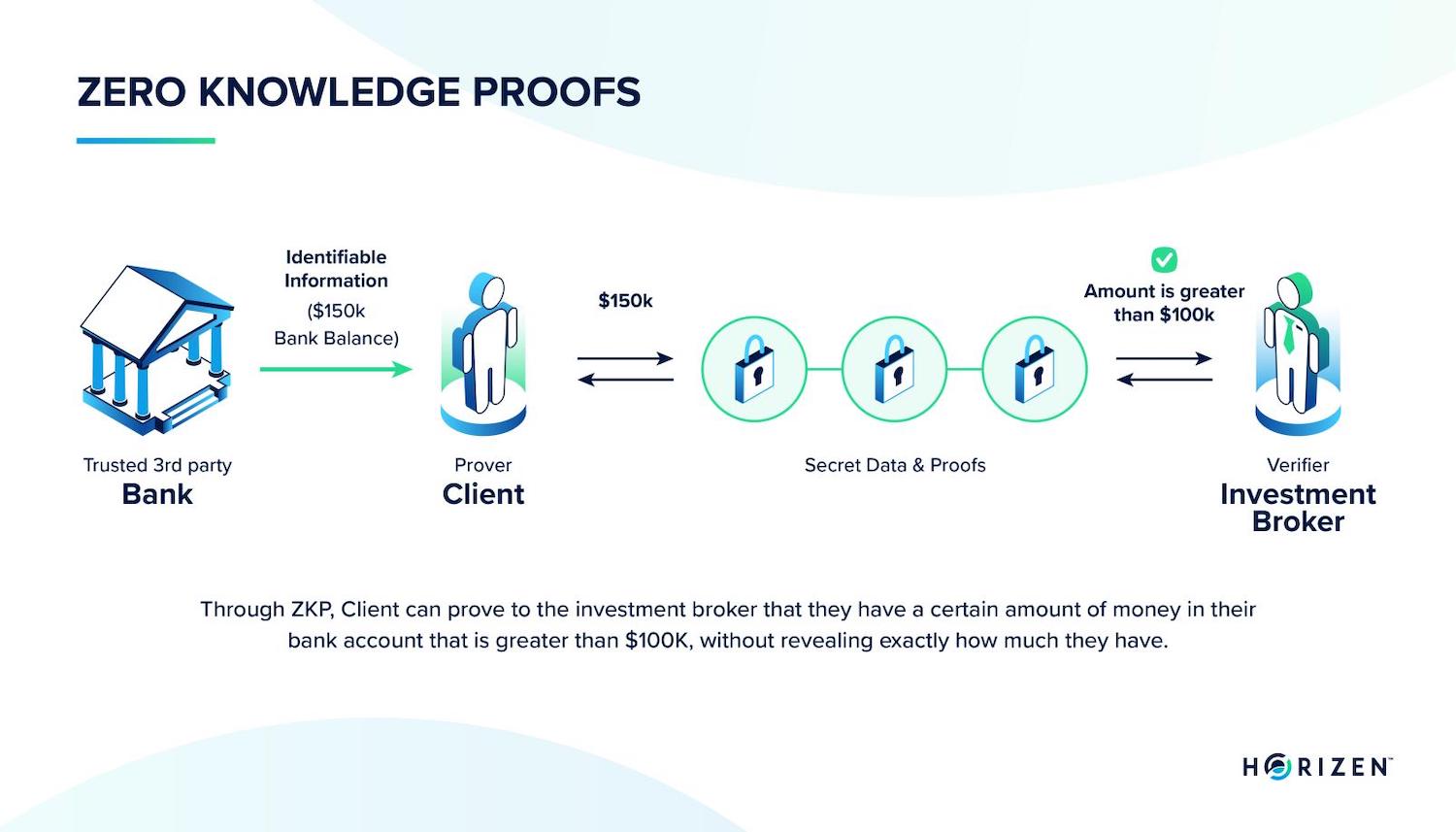
This shift is not just about privacy; it is about scalability and trust. Initiatives like the ZKProof Standards working group are moving the technology toward mainstream adoption by establishing rigorous academic and industry benchmarks. By 2026, the ability to compute on encrypted data will be as standard as HTTPS is for web browsing today, enabling a new layer of secure interaction between AI systems and financial markets.
Private AI training with ZK
Zero-knowledge proofs are shifting how AI models interact with sensitive data. Instead of uploading raw records to a central server, organizations can now train models on encrypted data while keeping the underlying information hidden. This infrastructure allows AI to learn from patterns without ever seeing the actual values, addressing a major bottleneck in healthcare and finance.
Google’s recent open-source ZKP libraries for age assurance demonstrate this shift. The technology enables a system to verify that a user is over 18 without revealing their birth date, name, or address. By proving only the necessary condition, the model receives the signal it needs to proceed while the user’s identity remains private. This approach replaces broad data collection with precise, cryptographic verification.
The same logic applies to financial transactions. Banks can train fraud detection models on transaction histories without exposing customer account numbers or spending habits. The AI learns what fraudulent behavior looks like across thousands of users, but no single record is ever exposed. This creates a privacy-preserving feedback loop where the model improves without compromising individual security.
ZK-Rollups for financial privacy
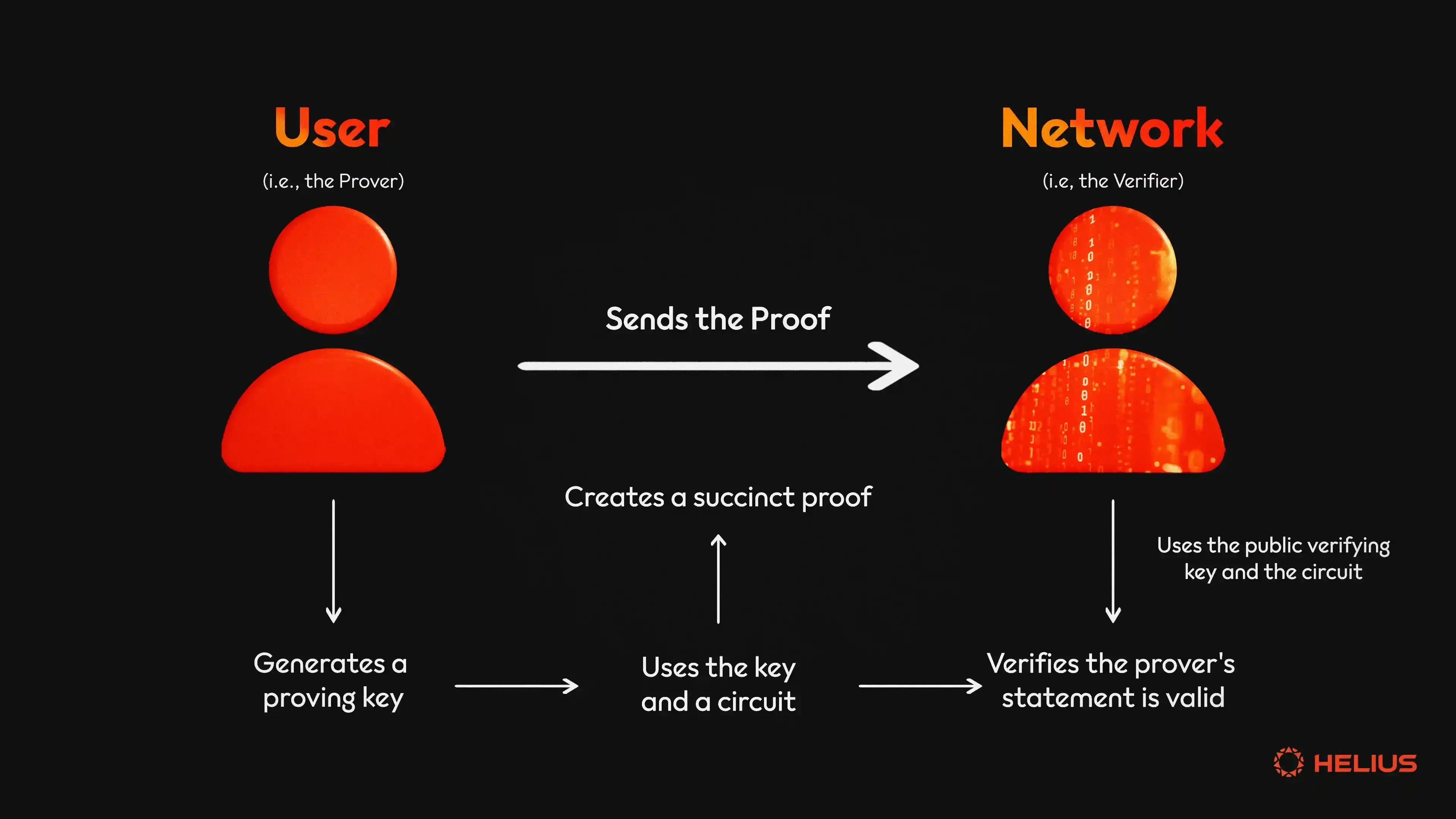
ZK-Rollups are shifting from pure scalability tools to essential privacy infrastructure for finance. In 2026, institutional adoption requires more than just lower gas fees; it demands transaction confidentiality that satisfies regulatory oversight without exposing sensitive ledger data to the public. By batching hundreds of transactions off-chain and submitting a single cryptographic proof to the main chain, these networks preserve the integrity of decentralized finance while shielding user identities and trade volumes from public scrutiny.
The mechanism works by allowing a "prover" to demonstrate that a set of transactions are valid without revealing the underlying details. For financial institutions, this means verifying compliance—such as confirming a user is over 18 or that funds are not from sanctioned addresses—without broadcasting the user's entire transaction history. This approach aligns with the growing demand for private transactions that still meet anti-money laundering (AML) standards. As noted by Ethereum.org, this cryptographic method proves validity without revealing the statement itself, creating a secure layer for high-value financial operations.
The choice between public and private ZK-Rollup architectures significantly impacts institutional risk profiles. Public rollups offer transparency but lack inherent privacy, while private variants introduce controlled visibility for auditors. The table below contrasts these approaches based on current infrastructure capabilities.
| Feature | Public ZK-Rollup | Private ZK-Rollup | Best For |
|---|---|---|---|
| Transaction Visibility | All data on-chain | Proof only, data off-chain | Retail/DeFi |
| Compliance Auditing | Manual blockchain scanning | Built-in zero-knowledge audits | Banking/Enterprise |
| Data Privacy | Low (public ledger) | High (encrypted state) | High-Net-Worth |
| Scalability | High | High | Both |
This infrastructure enables a new class of financial applications where privacy is a default setting, not an opt-in feature. As ZK-proof systems like those validated by ZKProof continue to mature, the barrier to entry for private, compliant finance lowers significantly. Institutions can now deploy solutions that protect client data while maintaining the immutable audit trails required by global regulators.
Age verification without data leaks
Age verification is a high-stakes use case for zero-knowledge proofs. Instead of uploading a driver’s license or sharing a birthdate, users can generate a cryptographic proof that they are over 18. This process keeps personal identity information private while satisfying legal requirements.
Google has open-sourced ZKP libraries specifically for age assurance src-serp-4. This move signals a shift toward infrastructure that prioritizes privacy by default. By using these tools, platforms can verify eligibility without storing sensitive user data.
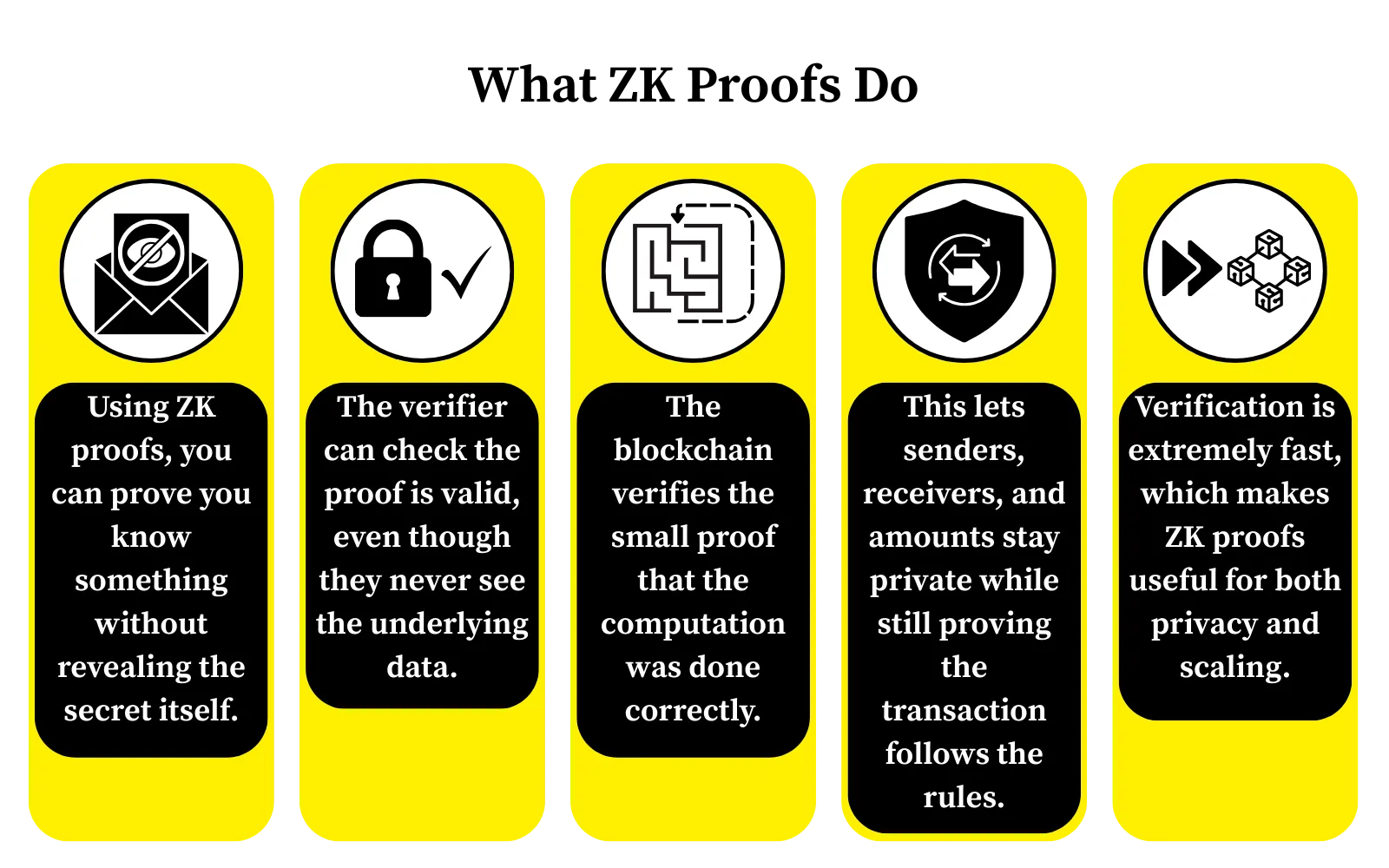
The mechanism works by splitting data into a public statement and a private witness. The system checks if the private witness satisfies the public statement without ever seeing the witness itself. This ensures that even if the verification server is compromised, no personal information is leaked.
Key ZK infrastructure projects and standards bodies
The zero-knowledge ecosystem in 2026 relies on a mix of open standards and specialized tooling. These projects handle the heavy lifting of privacy, enabling everything from age verification to complex financial transactions without exposing raw data.
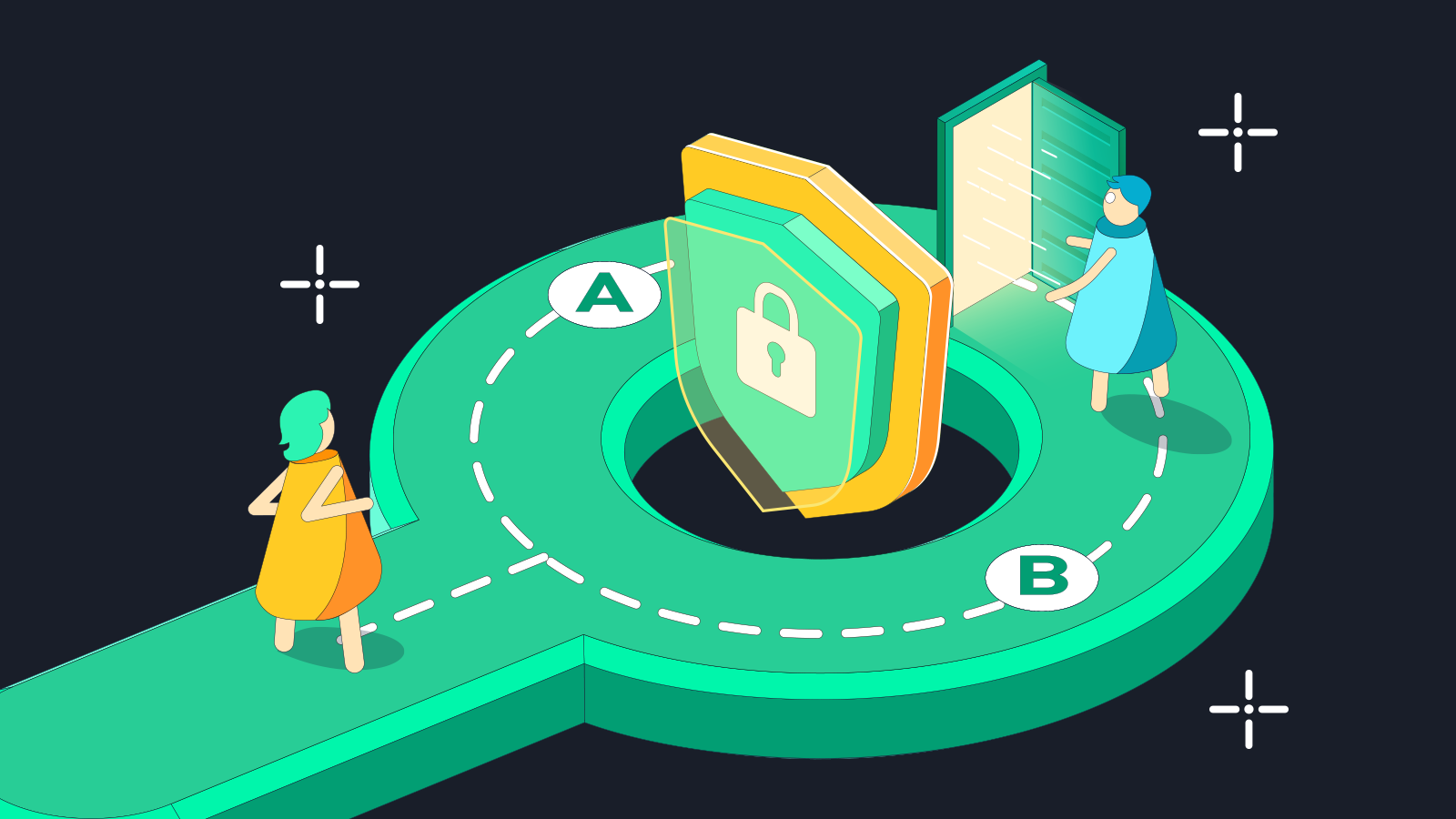
Leading ZK Infrastructure and Standards
-
ZKProof Standards
An open-industry academic initiative driving mainstream adoption. Their 2026 Rome summit focuses on formal verification and interoperability standards for zero-knowledge cryptography. -
Aztec Network
Focused on private smart contracts and scalable zero-knowledge applications. Aztec provides the infrastructure for confidential DeFi and enterprise-grade privacy solutions. -
Polygon zkEVM
A zero-knowledge Ethereum Virtual Machine that offers EVM equivalence with privacy features. It enables developers to build scalable and private applications on established blockchain standards. -
StarkWare
Developers of STARK-based proofs, offering scalable and quantum-resistant security. Their technology underpins major Layer 2 solutions and enterprise privacy protocols.
Common questions about ZK privacy
Zero-knowledge proofs are moving from academic theory to practical infrastructure for AI and finance. As adoption grows, specific questions about performance, security, and real-world utility emerge. Here are the most frequent concerns addressed with current 2026 standards.
These mechanisms form the backbone of privacy-first infrastructure, ensuring that data utility does not come at the cost of user privacy.
No comments yet. Be the first to share your thoughts!