
What to expect from zero-knowledge proofs in 2026
By 2026, zero-knowledge proofs have moved from experimental cryptography to a core infrastructure layer for regulatory compliance. The industry is no longer debating whether ZKPs work; it is deciding how they fit into legal frameworks. This shift is driven by the need to prove compliance without exposing sensitive user data, a requirement that traditional transparency cannot meet.
The ZKProof Standards initiative, hosting its 2026 conference in Rome, highlights the growing consensus on interoperability. Academic and industry leaders are working to standardize how these proofs are generated and verified. This standardization is critical for legal teams who need to ensure that a proof generated by one provider is valid in a court or regulatory audit.
However, the technology is not a silver bullet. Non-interactive zero-knowledge proofs (NIZKs) allow for efficient verification, but they require careful setup. If the trusted setup is compromised, the entire system’s privacy guarantees fail. Legal professionals must understand these technical risks to assess liability correctly.
The primary challenge remains balancing privacy with the "know your customer" (KYC) obligations mandated by global regulators. ZK-Rollups offer a path forward by allowing transactions to be validated without revealing the underlying data. This capability is reshaping how financial institutions and data handlers approach audit trails.
As adoption grows, the focus is shifting from proof generation speed to legal admissibility. Courts and regulators are beginning to accept ZKPs as evidence, provided the underlying cryptographic protocols are transparent and auditable. This acceptance is driving a new wave of legal-tech products designed to bridge the gap between code and compliance.
Zero-knowledge proofs 2026 choices that change the plan
Choosing a zero-knowledge proof (ZKP) implementation in 2026 is less about finding the "fastest" circuit and more about balancing verification costs, trust assumptions, and regulatory visibility. As ZK stacks mature from experimental cryptography to standard privacy infrastructure, the decision matrix has shifted. You are no longer just picking a proof system; you are selecting a compliance posture.
The following comparison breaks down the primary tradeoffs between the dominant ZK architectures used in 2026. Use this table to evaluate which framework aligns with your specific use case, whether that is high-throughput settlement, identity verification, or confidential data storage.
| Architecture | Verification Cost | Trust Model | Best For |
|---|---|---|---|
| STARKs | Low (constant time) | Trustless (no setup) | High-throughput rollups, gaming |
| SNARKs (Groth16) | Very Low | Trusted Setup Required | Mobile clients, lightweight wallets |
| PLONK | Low | Trusted Setup (Universal) | General-purpose smart contracts |
| Bulletproofs | Medium | Trustless | Confidential transactions, range proofs |
Verification Cost and Scalability
Verification cost determines how expensive it is for a verifier (or a blockchain node) to accept the proof. In 2026, STARKs have become the preferred choice for L2 rollups because their verification time remains constant regardless of transaction volume. This makes them ideal for scaling. SNARKs, particularly Groth16, offer the smallest proof sizes and fastest verification, but they require a trusted setup ceremony. If your application involves millions of users verifying proofs on lightweight devices, the small proof size of SNARKs is a significant advantage.
Trust Assumptions and Security
The trust model is the most critical compliance factor. STARKs and Bulletproofs are "trustless," meaning they do not require a trusted setup ceremony. This eliminates the risk of a "toxic waste" attack, where malicious actors retain the ability to forge proofs if the setup keys are compromised. SNARKs require a trusted setup. While protocols like PLONK offer a "universal" setup (one ceremony for many circuits), the initial trust assumption remains. For regulated financial applications where auditability is paramount, the trustless nature of STARKs often outweighs the minor efficiency gains of SNARKs.
Regulatory Visibility and Compliance
Regulators are increasingly scrutinizing privacy tools. The choice of ZK architecture impacts how easily you can demonstrate compliance. For example, proving age verification without revealing birthdates is feasible with any ZK system, but the circuit design varies. STARKs are generally more transparent in their verification process, which can simplify audits. SNARKs, while efficient, can sometimes appear as "black boxes" to non-technical auditors. When selecting a ZK stack, consider whether your legal team can effectively audit the proof generation and verification logic. The ZKProof initiative is working to standardize these evaluations to ensure that privacy does not come at the cost of regulatory clarity.
How to choose the right ZK-proof implementation
Selecting a zero-knowledge proof system involves balancing computational overhead against verification speed and regulatory clarity. As the ZKProof Standards initiative prepares for its 2026 Rome summit, the industry is moving toward standardized circuits that reduce fragmentation.
Use this framework to evaluate your options.
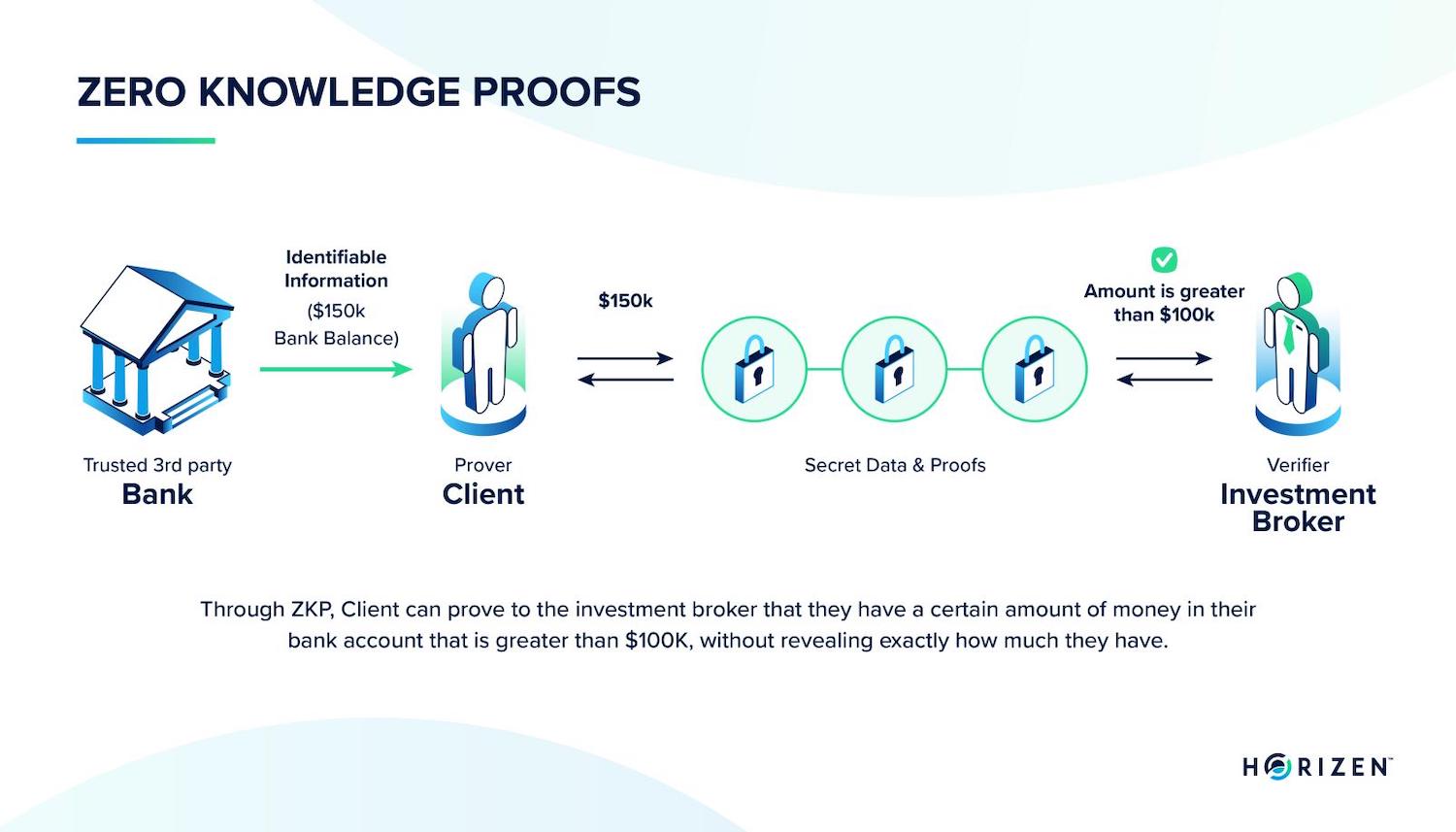
Determine if your data requires full privacy or merely selective disclosure. High-stakes financial records often demand non-interactive zero-knowledge proofs (NIZKs) to prevent information leakage during verification, while lower-risk internal audits may suffice with simpler hash-based commitments.
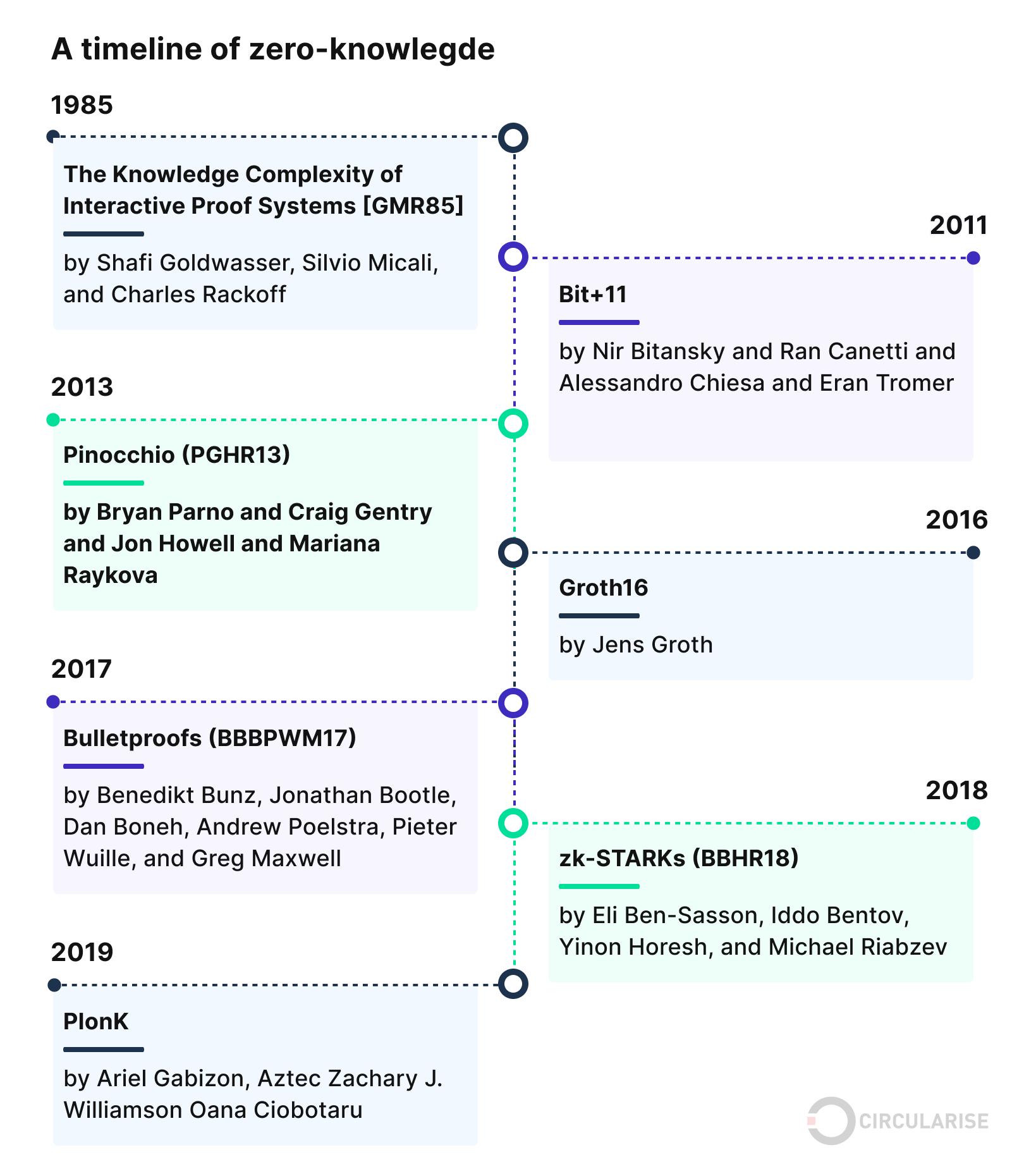
Check if your existing infrastructure supports the specific proof system (e.g., STARKs, SNARKs, or PLONK). Mismatched circuit languages can lead to significant development delays. Prioritize systems with mature toolchains and active community support to ensure long-term maintainability.
Compare the gas costs or computational resources required for on-chain verification. STARKs typically have larger proof sizes but faster verification, while SNARKs offer smaller proofs but require trusted setup ceremonies. Align this with your budget and scalability goals.
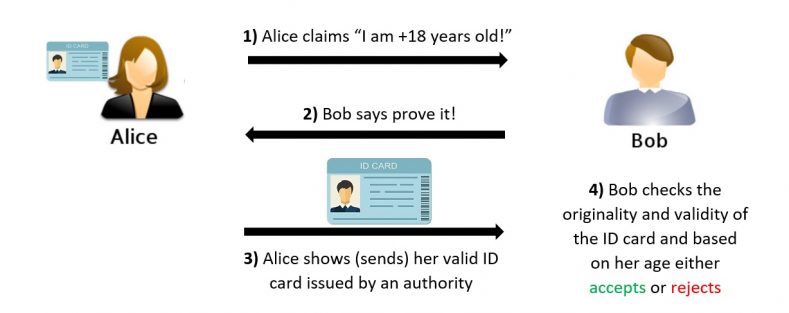
Ensure the chosen protocol meets current data protection standards (e.g., GDPR, CCPA). Some jurisdictions require audit trails that zero-knowledge proofs can obscure. Consult legal counsel to verify that your privacy-preserving architecture does not conflict with 'right to be forgotten' or law enforcement access requirements.
Spotting weak zero-knowledge options
ZK-rollups promise privacy and compliance, but not every implementation delivers. In 2026, the gap between marketing claims and technical reality remains wide. You need to know where the weak options hide before they cost you time, money, or regulatory standing.
Start by checking the proof system. Many projects claim "zero-knowledge" while using older, less efficient schemes. Look for explicit mentions of STARKs or updated SNARK curves. If the documentation is vague about the cryptographic primitives, treat it as a red flag. The ZKProof consortium’s 2026 standards provide a baseline for what constitutes a robust, audited implementation.
Beware of "privacy" features that rely on centralized mixers or trusted setups. True ZK-rollups generate proofs on-chain or via decentralized sequencers. If a project requires you to trust a single operator to verify data availability, you don’t have a ZK-rollup; you have a black box. Regulatory bodies are increasingly scrutinizing these centralized choke points.
Also, verify the compliance tooling. A proof system is useless if it can’t generate the specific zero-knowledge data required for AML or GDPR reporting. Look for projects that offer explicit, audited compliance APIs. Generic "privacy" is not a feature in the eyes of regulators; it’s a liability. Choose options that prioritize verifiable compliance over opaque anonymity.
Zero-knowledge proofs 2026: what to check next
Zero-knowledge proofs (ZKPs) are shifting from theoretical cryptography to practical infrastructure in 2026. As regulatory bodies tighten data privacy laws, organizations are adopting ZK-Rollups to verify transactions without exposing sensitive user data. Below are the most common questions about how these proofs work in real-world compliance scenarios.
Implementing ZKPs requires careful consideration of computational costs and library maturity. While the privacy benefits are clear, the overhead of generating proofs can impact user experience if not optimized. As the ZKProof standards evolve, interoperability between different proof systems is expected to improve, making adoption smoother for enterprise developers.
No comments yet. Be the first to share your thoughts!