
Why ZK proofs matter for 2026 compliance
The tension between blockchain transparency and data privacy regulations like the General Data Protection Regulation (GDPR) has reached a critical point. As digital ledgers become more entrenched in financial and identity systems, the immutable nature of public blockchains conflicts with GDPR’s core principles, particularly the right to erasure and data minimization. Organizations are now seeking cryptographic solutions that allow verification without exposing raw personal data.
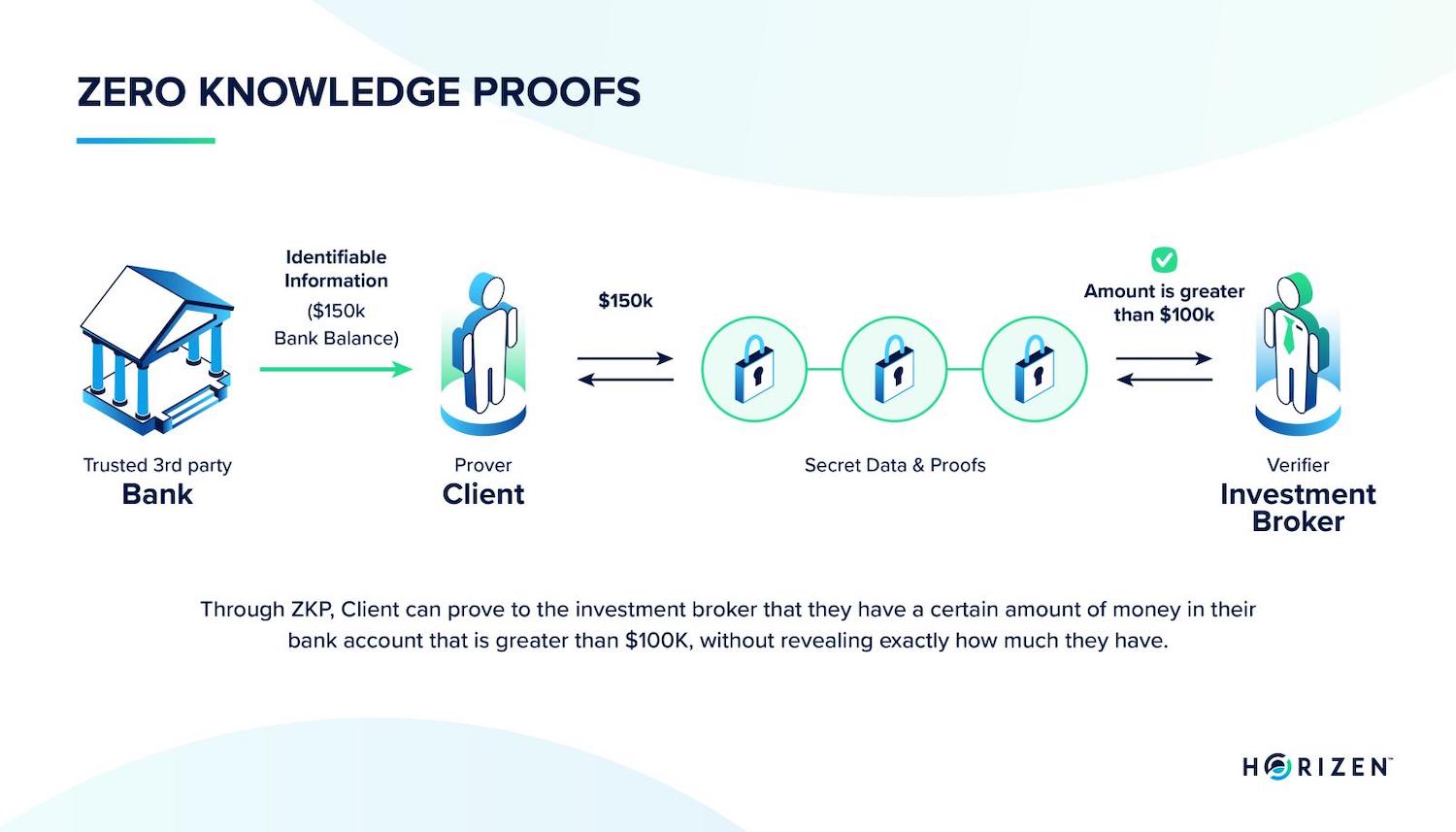
Zero-knowledge proofs (ZKPs) offer a technical resolution to this conflict. By allowing one party to prove to another that a statement is true without revealing any information beyond the validity of the statement itself, ZKPs align with the principle of data minimization. For example, a user can verify they are over 18 without disclosing their exact date of birth or name. This capability transforms how compliance is handled, shifting the burden from storing sensitive data to proving compliance cryptographically.
In 2026, this technology is moving from theoretical models to practical applications in identity verification, credential checks, and settlement proofs. This shift establishes ZKPs as a new standard for digital privacy, enabling organizations to maintain auditability while respecting individual privacy rights under current regulatory frameworks.
How ZK-rollups protect user data
ZK-rollups secure user data by processing transactions off-chain while maintaining on-chain validity through cryptographic proofs. This architecture separates the computational workload from the settlement layer, allowing networks to scale without exposing sensitive personal information to public verification.
The mechanism relies on a zero-knowledge proof, a cryptographic method that allows one party to demonstrate ownership of certain knowledge without disclosing the actual data. As defined by the Ethereum Foundation, a ZKP is a way of proving the validity of a statement without revealing the statement itself. This distinction is critical for GDPR compliance, where the goal is to verify identity or transaction legitimacy without storing or transmitting the underlying personal data.
- Transactions are batched off-chain. User data remains private within the rollup operator’s secure environment, ensuring that raw personal information does not enter the public blockchain ledger.
- The rollup operator generates a cryptographic proof (SNARK or STARK) that confirms all transactions in the batch were valid according to network rules. This proof is generated without referencing the underlying private data.
- The compressed batch and the proof are submitted to the main blockchain. Smart contracts verify the proof instantly, ensuring the state transition is valid. Because the proof is mathematically sound, the network trusts the result without needing to inspect the individual transactions.
This structure ensures that the blockchain records only the essential state changes, not the personal data itself. By keeping sensitive information off-chain and relying on mathematical proofs for verification, ZK-rollups provide a technical framework that aligns with the data minimization principles of the GDPR. This approach allows organizations to maintain auditability while respecting user privacy rights.
Privacy-Preserving Identity Verification
Zero-knowledge proofs enable identity verification without exposing personal identifiers, addressing a core tension in GDPR compliance. Under data minimization principles, organizations must limit the personal data they collect and process. Traditional verification methods often require full identity documents or birth dates, creating unnecessary privacy risks. Zero-knowledge technology allows a user to prove they meet a specific criterion—such as being over 18 or holding a valid credential—without revealing the underlying data.
For example, a service can verify that a user is over 18 without accessing their date of birth, name, or address. This approach reduces the liability associated with storing sensitive personal information while still satisfying regulatory requirements for age-restricted services. The cryptographic proof confirms the attribute is valid without disclosing the attribute itself.
This section provides general information about cryptographic applications. It does not constitute legal advice. Organizations should consult qualified legal counsel to ensure their specific implementation meets all applicable regulatory requirements.
Implementation in regulated industries requires careful attention to standard compliance. The following checklist outlines key considerations for deploying zero-knowledge-based identity solutions:
Standards and trust ecosystems
By 2026, the deployment of zero-knowledge proofs has shifted from experimental cryptography to regulated infrastructure, driven by formal standardization bodies. Organizations like ZKProof have established rigorous frameworks to ensure that privacy-preserving protocols meet the stringent requirements of data protection laws. These standards provide the technical certainty required for legal compliance, moving beyond theoretical security to auditable, industry-accepted benchmarks.
The ZKProof initiative, an open-industry academic effort, focuses on mainstreaming zero-knowledge cryptography through transparent, peer-reviewed standards. Their work ensures that implementations are not only mathematically sound but also interoperable across different regulatory jurisdictions. This standardization is critical for enterprises seeking to demonstrate due diligence under GDPR, as it reduces the ambiguity surrounding cryptographic claims.
Trust in these ecosystems relies on verifiable compliance. Standardization bodies provide the necessary documentation and audit trails that regulators require. This formal structure allows organizations to integrate privacy-by-design principles with confidence, knowing that their cryptographic foundations align with established legal expectations.
Common questions about ZK privacy
Organizations evaluating zero-knowledge proofs for GDPR compliance often encounter questions regarding technical feasibility and regulatory acceptance. The following addresses specific concerns about data minimization, auditability, and the distinction between proof generation and data disclosure.
No comments yet. Be the first to share your thoughts!