
Why zero-knowledge proofs 2026 matter now
The landscape of digital trust is shifting from voluntary compliance to mandatory verification. By 2026, the regulatory environment for digital identity and financial data will demand a new architectural standard. The European Union’s eIDAS regulation, set to take full effect, requires age assurance and identity verification systems that can confirm a user’s eligibility without exposing their underlying personal data. This regulatory pressure is the primary catalyst for the mainstream adoption of zero-knowledge proofs.
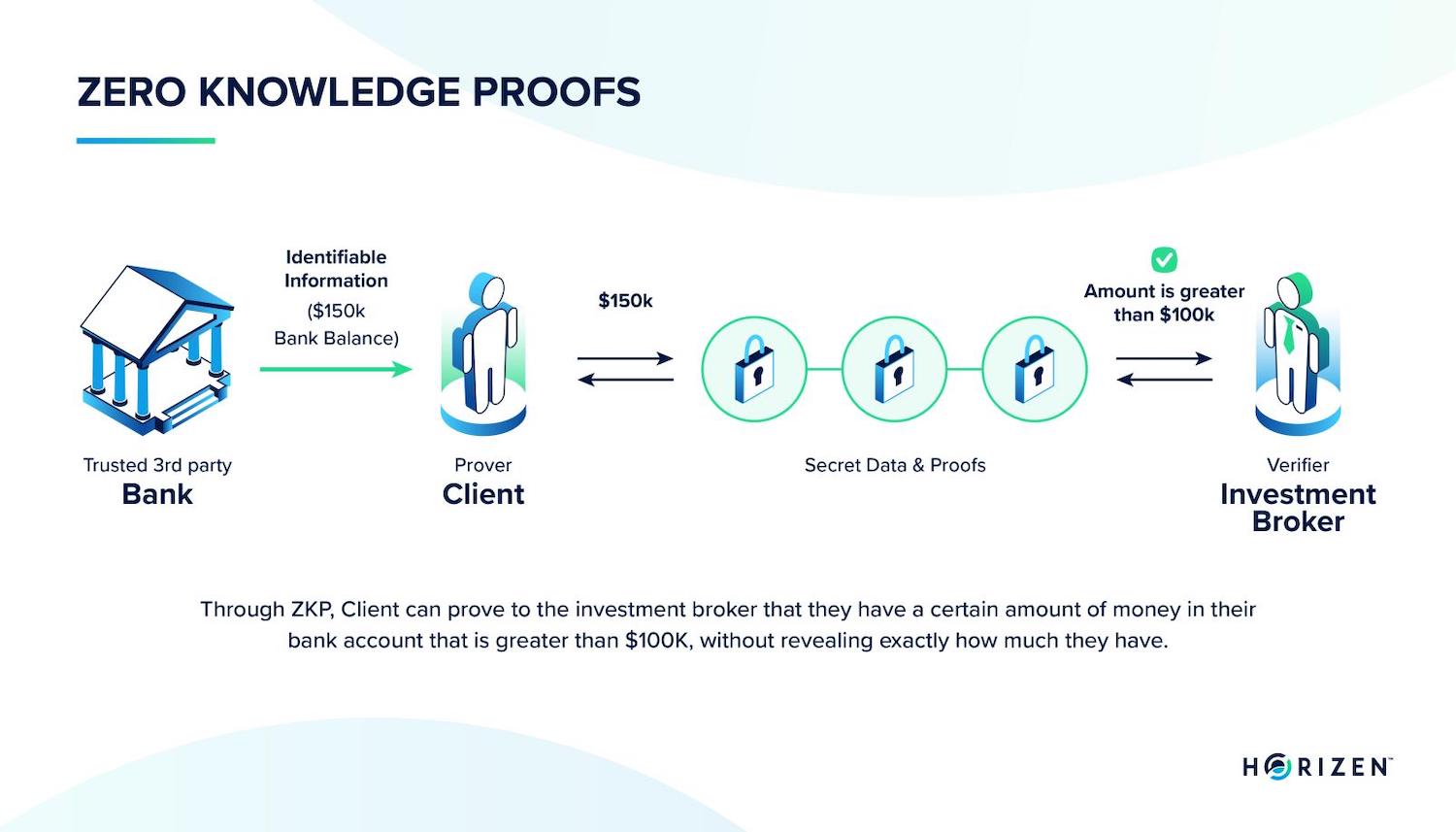
Zero-knowledge proofs allow a system to verify a statement is true without revealing any information beyond the validity of the statement itself. For example, a user can prove they are over 18 without disclosing their birthdate or name. This capability directly addresses the tension between privacy rights and regulatory compliance. As Google and other major technology providers begin open-sourcing zero-knowledge libraries for age assurance, the infrastructure is becoming standardized and accessible.
Beyond identity, scalability needs are driving the adoption of zero-knowledge rollups in blockchain infrastructure. These rollups process transactions off-chain and use zero-knowledge proofs to verify the results on-chain, drastically reducing costs and increasing throughput. This technical efficiency is essential for handling the volume of transactions expected in 2026’s more regulated financial ecosystems.
The convergence of regulatory mandates and technical scalability needs makes zero-knowledge proofs not just a privacy tool, but a foundational requirement for modern digital systems. As standards from ZKProof and Ethereum.org continue to mature, organizations are moving from experimental pilots to production-ready implementations.
ZK-rollups versus private smart contracts
Privacy and scalability in blockchain architecture generally converge on two distinct mechanisms: ZK-rollups and private smart contracts. While both leverage zero-knowledge proofs, they solve different problems. ZK-rollups prioritize throughput by batching transactions off-chain, whereas private smart contracts prioritize state-level confidentiality by keeping data hidden from public view.
ZK-rollups: Throughput at scale
ZK-rollups process transactions off-chain and submit a single validity proof to the main chain. This approach dramatically increases throughput, allowing hundreds or thousands of transactions per second. The privacy benefit is transactional; while the proof verifies validity, the underlying data remains off-chain, effectively hiding user activity from the public ledger. This model is ideal for high-volume applications like decentralized exchanges or payment networks.
Private smart contracts: State-level confidentiality
Private smart contracts execute logic on-chain but restrict access to specific participants. The state of the contract and the data it processes remain encrypted or hidden from the general public. This approach is essential for enterprise use cases where regulatory compliance requires strict data segregation. Unlike rollups, which hide data by moving it off-chain, private contracts keep data on-chain but restrict visibility. This ensures auditability for authorized parties while maintaining confidentiality.
Comparison of approaches
The table below contrasts the two models across key dimensions. The choice depends on whether the priority is transaction volume or data confidentiality.
| Feature | ZK-Rollups | Private Smart Contracts |
|---|---|---|
| Primary Goal | High throughput | Data confidentiality |
| Privacy Model | Transaction-level (off-chain data) | State-level (on-chain access control) |
| On-chain Data | Minimal (proof only) | Encrypted or restricted |
| Best Use Case | DeFi, payments, gaming | Enterprise, healthcare, finance |
| Maturity | High (mainnet deployments) | Moderate (niche implementations) |
Choosing the right model
The decision between ZK-rollups and private smart contracts hinges on the specific privacy and scalability requirements of the application. ZK-rollups are the superior choice for applications requiring high transaction throughput, such as decentralized exchanges or payment systems. Private smart contracts are better suited for enterprise applications where data confidentiality and regulatory compliance are paramount. Understanding these distinctions is crucial for designing secure and efficient blockchain solutions.
Standards Driving the ZK Ecosystem
Fragmentation has long been the primary barrier to institutional adoption of zero-knowledge proofs. Without common ground, verifying a proof generated on one platform often requires custom, expensive verification contracts on another. In 2026, this landscape is shifting as standardization efforts move from theoretical papers to deployed protocols. The ZKProof initiative remains the central anchor for this convergence, bringing together over 1,000 practitioners to define interoperable standards. Their work ensures that a proof generated by one circuit can be verified by another, regardless of the underlying cryptographic construction.
This push for interoperability is not merely technical; it is a regulatory prerequisite. Institutional auditors and compliance teams require predictable, standardized verification processes. When standards like those promoted by ZKProof become industry norms, the cost of due diligence drops significantly. Ethereum.org and other core protocol bodies are increasingly aligning their verification layers with these community-driven standards, creating a more cohesive ecosystem where privacy tools can scale without sacrificing auditability.
The result is a more robust foundation for high-stakes finance. As standards mature, the focus shifts from building isolated proof systems to integrating them into broader financial infrastructure. This reduction in fragmentation allows developers to prioritize application logic over compatibility layers, accelerating the deployment of private, compliant financial products.
Real-world use cases in 2026
Zero-knowledge proofs have moved from theoretical cryptography to deployed infrastructure in 2026. The shift is driven by regulatory mandates and enterprise demand for verifiable privacy. Systems now prove compliance without exposing underlying data.
Age assurance and regulatory compliance
The European Union's eIDAS Regulation takes effect in 2026, requiring robust age verification. Google’s open-source ZK libraries provide a precedent for this standard. Services can now verify a user is over 18 without storing birth dates or government IDs.
Google’s open-source ZK libraries for age assurance demonstrate how enterprise adoption is scaling privacy.
This approach minimizes liability. Companies avoid holding sensitive personal information while still meeting legal requirements for restricted content access.
Anonymous payments and identity protection
Financial institutions use ZKPs for transaction validation. Banks can confirm sufficient funds or regulatory compliance without revealing account balances or transaction histories to third parties. This maintains market privacy while satisfying audit requirements.
Identity systems leverage ZKPs to protect user data. Users prove eligibility for services without sharing full identity documents. This reduces the attack surface for identity theft and data breaches.
Choosing the right ZK approach
Selecting between ZK-rollups and private smart contracts depends on whether your primary constraint is throughput or data confidentiality. ZK-rollups, such as zkSync and Scroll, prioritize scalability by batching transactions off-chain while publishing compact validity proofs on Ethereum. This architecture maximizes throughput, making it ideal for high-volume applications like decentralized exchanges or consumer-facing dApps where transaction speed is the bottleneck.
In contrast, private smart contracts focus on data privacy rather than raw scale. They execute logic within trusted execution environments or using zero-knowledge circuits that hide input data while still producing verifiable outputs. This approach suits financial institutions or healthcare providers handling sensitive personal information, where regulatory compliance requires that raw data never appears on the public ledger, even in encrypted form.
The decision framework hinges on your specific privacy and scalability needs. If your application requires processing thousands of transactions per second with minimal gas costs, a ZK-rollup is the standard choice. If the core value proposition is keeping user data or transaction details hidden from public view, private smart contracts offer the necessary confidentiality. Consider the trade-offs carefully, as mixing these approaches can introduce unnecessary complexity and security risks.
No comments yet. Be the first to share your thoughts!