zkVerify Scalable Verification Layer for ZK Proofs in Web3 Infrastructure

In the sprawling Web3 infrastructure, zero-knowledge proofs (ZKPs) promise computational integrity without exposing data, yet their verification remains a stubborn bottleneck. Enter zkVerify, a dedicated Layer 1 blockchain that slashes ZK proof verification costs by over 90% while processing proofs in milliseconds. Launched on mainnet in September 2025, this scalable ZK infrastructure handles any proof from any system, freeing blockchains from heavy verification loads and enabling true modularity.

Traditional networks like Ethereum grapple with verification’s gas intensity; a single Groth16 proof can devour thousands of gas units, crowding out user transactions. zkVerify offloads this entirely, creating a specialized hub where rollups, DeFi protocols, and apps submit proofs for attestation. With over 5.5 million proofs verified during incentivized testnets, it proves real traction in zero knowledge verification.
Why Verification Demands a Dedicated Network
ZKPs shine in compressing complex computations into succinct proofs, but verification flips the script: it’s often costlier than proving. On general-purpose L1s, this inefficiency scales poorly as adoption grows. zkVerify, built on Substrate for high performance and security, acts as a universal verifier. Its modular design supports diverse proof systems without custom rewiring, aligning with the multi-prover future of ZK.
Consider the economics: pre-zkVerify, verifying on Ethereum might cost $10-50 per proof at peak times, deterring frequent use in high-throughput apps like gaming or AI inference. zkVerify drops this to pennies, with millisecond latencies that rival centralized alternatives but retain decentralization. This isn’t hype; testnet data shows consistent sub-second finality, positioning ZKVProtocol Web3 as infrastructure bedrock.
Multi-Proof Support Powers Developer Flexibility
zkVerify’s verifier embraces pluralism: Groth16 for legacy efficiency, UltraPlonk for transparency, RiscZero and SP1 for Rust-native circuits, plus ultrahonk, Space and Time. Developers pick optimal provers per use case, verify once, and attest across chains like Ethereum, Base, Arbitrum, or Optimism. No chain lock-in means apps evolve with ecosystems, not against them.
This cross-chain optionality transforms settlement. A rollup verifies state transitions on zkVerify, then bridges attestations cheaply to L1s, optimizing per tx venue. Partners like Singularity leverage it for privacy-preserving trading, Zerobase for data oracles, Tisura in gaming, Phala for confidential compute, and Succinct for rollup stacks. Such diversity underscores zkVerify’s neutrality.
Key zkVerify Features
-
90%+ cost reduction in ZK proof verification vs. traditional methods
-
Millisecond verification times for rapid processing
-
Multi-proof support: Groth16, UltraPlonk, RiscZero, ultrahonk, Space and Time, SP1
-
Cross-chain attestations to Ethereum, Base, Arbitrum, Optimism
-
5.5M testnet proofs verified, proving real-world scale
Ankr Integration Bolsters Enterprise Reliability
Enterprise adoption hinges on dependable infra. zkVerify’s tie-up with Ankr delivers RPC endpoints and validator ops at scale, mirroring mature chains’ polish. Developers query proofs seamlessly; validators stake with confidence. This duo fortifies ZK proof verification against downtime, crucial as proofs underpin billions in DeFi TVL and identity systems.
Yet balance tempers enthusiasm. While testnets dazzled, mainnet faces live scrutiny: throughput under spam, economic security via slashing. Early metrics impress, but sustained 90% savings demand vigilant governance. Still, zkVerify’s blueprint challenges L1s to specialize, much like Celestia did for DA.
Mainnet launch metrics reinforce this potential. Since September 2025, zkVerify has processed proofs at rates that eclipse testnet volumes, with partners reporting seamless integration. Singularity’s privacy trading now verifies institutional-grade proofs without gas spikes, while Zerobase oracles attest data integrity across chains. This isn’t isolated; Phala’s confidential compute and Succinct’s rollups tap zkVerify to sidestep L1 bottlenecks, proving scalable ZK infrastructure in action.
zkVerify vs Ethereum/Base: Verification Costs and Performance Comparison
| Proof System | zkVerify Cost (Gas) | Ethereum/Base Cost (Gas) | Cost Reduction | zkVerify Latency | Multi-Chain Support |
|---|---|---|---|---|---|
| Groth16 | 25,000 | 250,000 | 90% | <10 ms | ✅ Yes (Ethereum, Base, Arbitrum, Optimism) |
| UltraPlonk | 80,000 | 800,000 | 90% | <10 ms | ✅ Yes (Ethereum, Base, Arbitrum, Optimism) |
| RiscZero | 150,000 | 1,500,000 | 90% | <10 ms | ✅ Yes (Ethereum, Base, Arbitrum, Optimism) |
| SP1 | 120,000 | 1,200,000 | 90% | <10 ms | ✅ Yes (Ethereum, Base, Arbitrum, Optimism) |
Developers praise the modularity. One circuit in Rust via SP1 verifies on zkVerify, attests to Arbitrum for DeFi settlement, then Optimism for identity. Costs plummet because verification aggregates efficiently; no redundant checks per chain. Ankr’s RPC layer ensures queries return in under 100ms, vital for real-time apps like gaming where Tisura deploys ZK for fair play mechanics.
Network Economics: Verifiers, Stakers, and Rewards
zkVerify incentivizes participation through its Substrate-based design. Verifiers stake tokens to process proofs, earning fees proportional to throughput. Slashing enforces honesty, mirroring Polkadot’s proven model. While exact tokenomics evolve, the whitepaper draft outlines fee accrual to stakers, fostering economic security. Early data hints at sub-cent fees, but spam resistance via proof-of-stake weights matters as volumes climb.
Balance demands scrutiny here. High verifier rewards could inflate costs if demand surges, yet modular upgrades promise elasticity. Cross-chain bridges, enhanced in recent updates, expand identity verification and on-chain participation, per zkVerify’s blog. This positions it beyond mere verification, into a hub for ZK composability.
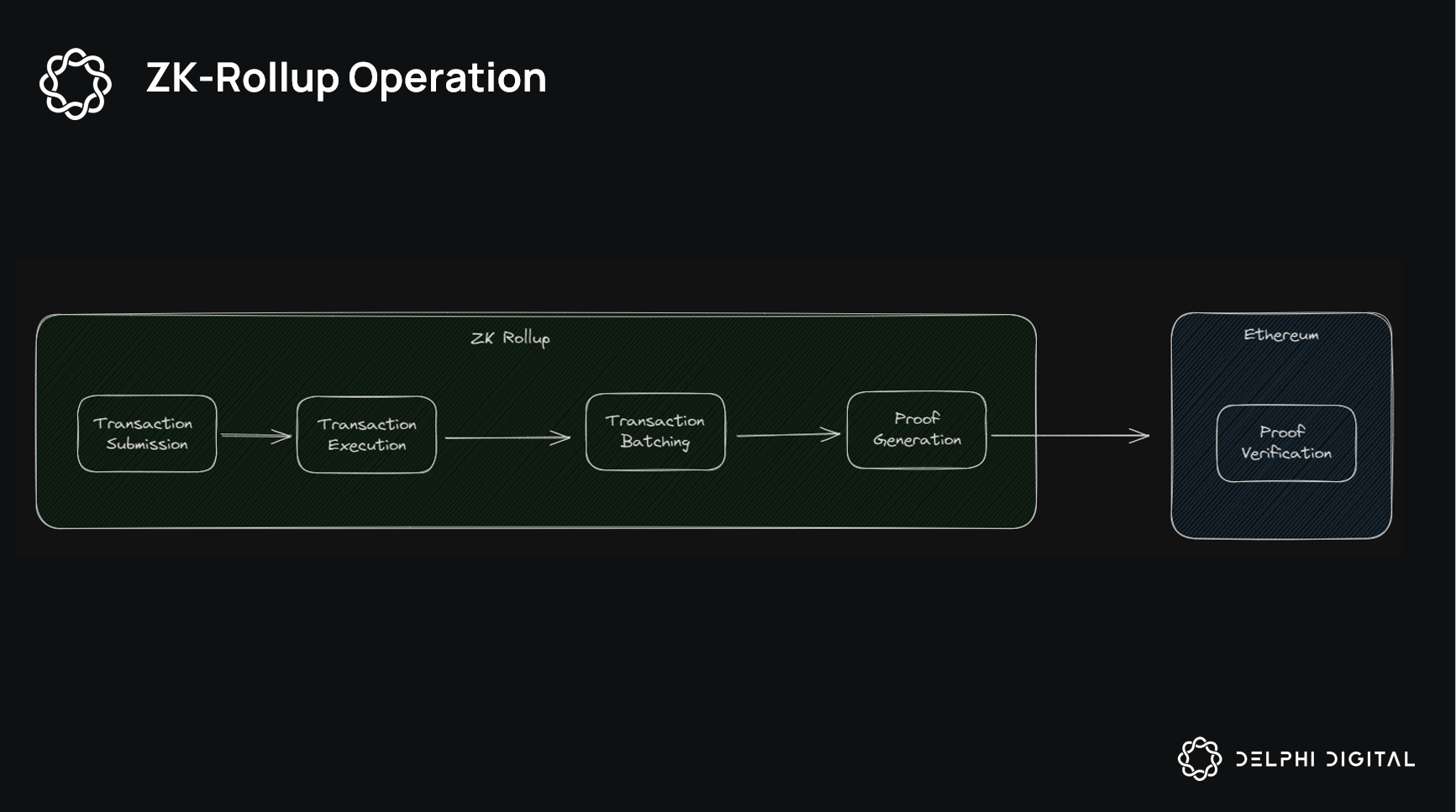
Proof systems diversity fortifies resilience. Groth16 offers trusted-setup efficiency for legacy apps, UltraPlonk transparency for new circuits, RiscZero’s zkVM for arbitrary code. Add ultrahonk and Space and Time for specialized data proofs, SP1 for Ethereum-aligned Rust. No single point of prover failure; if one lags, switch seamlessly. Delphi Digital notes this scales ZKPs where offchain processing compresses data, but verification was the choke point- zkVerify unclogs it.
Challenges Ahead and Competitive Edge
Competition lurks: general L1s like Ethereum eye inner-verification via blobs, specialized nets like AltLayer bundle proofs. zkVerify differentiates via universality- any proof, any chain. Yet governance risks persist; decentralized decisions must balance fees and upgrades. Testnet’s 5.5 million proofs dazzled, but mainnet spam tests mettle. Early signs encourage: partnerships grow, integrations deepen.
zkVerify Roadmap Highlights
-

Ankr RPC/Validator Integration: Enterprise-grade RPC access and validator operations for enhanced mainnet performance and developer reliability.
-
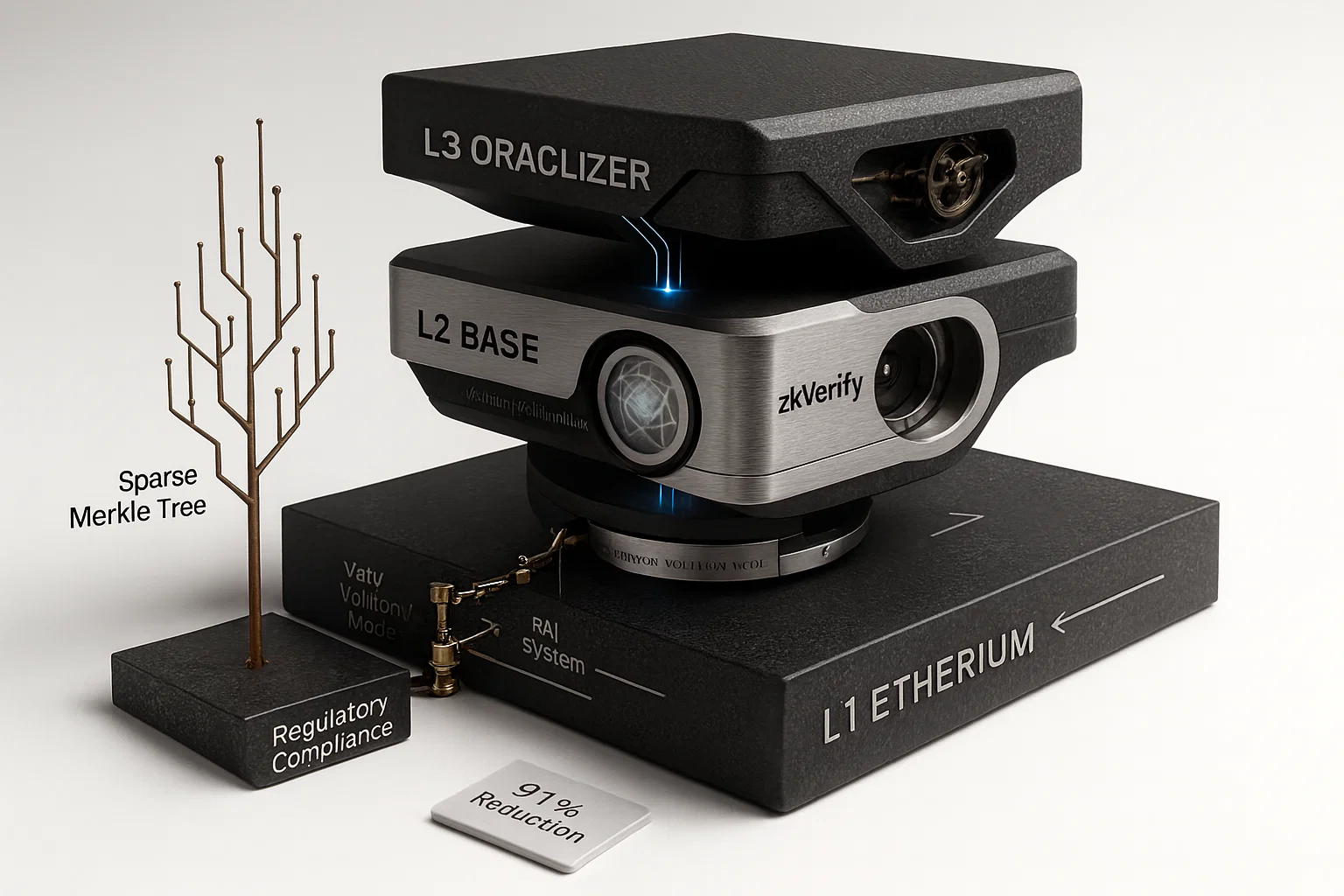
Multi-Chain Expansions: Modular support for Ethereum, Base, Arbitrum, Optimism with verify-once, attest-to-many flexibility.
-
Proof System Additions: Groth16, UltraPlonk, RiscZero, ultrahonk, Space and Time, SP1 for broad ZK compatibility.
-
Identity Verification Upgrades: Expanding identity features to strengthen cross-chain usability and privacy-preserving applications.
-
Governance Enhancements: Boosting on-chain participation and network scalability through decentralized verification upgrades.
Zoom out to Web3’s ZK frontier. As rollups proliferate, verification hyperspecialization mirrors Celestia’s DA triumph or EigenLayer’s restaking. zkVerify carves the verification niche, slashing costs 90% while enabling ZK proof verification at Web3 scale. For DeFi yields shadowed by privacy needs, or enterprise data hungry for confidentiality, it unlocks hybrid strategies. Developers gain flexibility; chains reclaim blockspace. In a multi-prover world, neutrality wins- zkVerify bets on that pluralism.
Horizen Labs’ draft whitepaper frames it crisply: extend verification beyond silos. With Ankr fortifying ops, and proofs hitting millions, ZKVProtocol Web3 infrastructure matures. Mainnet scrutiny will forge or falter it, but the blueprint endures. Privacy advocates and builders watch closely; efficient zero-knowledge verification isn’t optional, it’s foundational.