zkVerify Processes 17 Million ZK Proofs: Scaling Privacy for Zero-Knowledge Rollups

zkVerify has just hit a monumental milestone: processing over 17 million ZK proofs. This isn’t hype; it’s hard evidence that dedicated infrastructure for zero knowledge verification is ready to shoulder the load of tomorrow’s privacy-focused blockchains. In a world where ZK rollups promise scalability without sacrificing security, zkVerify’s mainnet, launched in September 2025 by Horizen Labs, is proving indispensable. By slashing verification costs by more than 90% compared to Ethereum Layer 1, it’s freeing developers to build ambitious privacy zk rollups that actually scale.

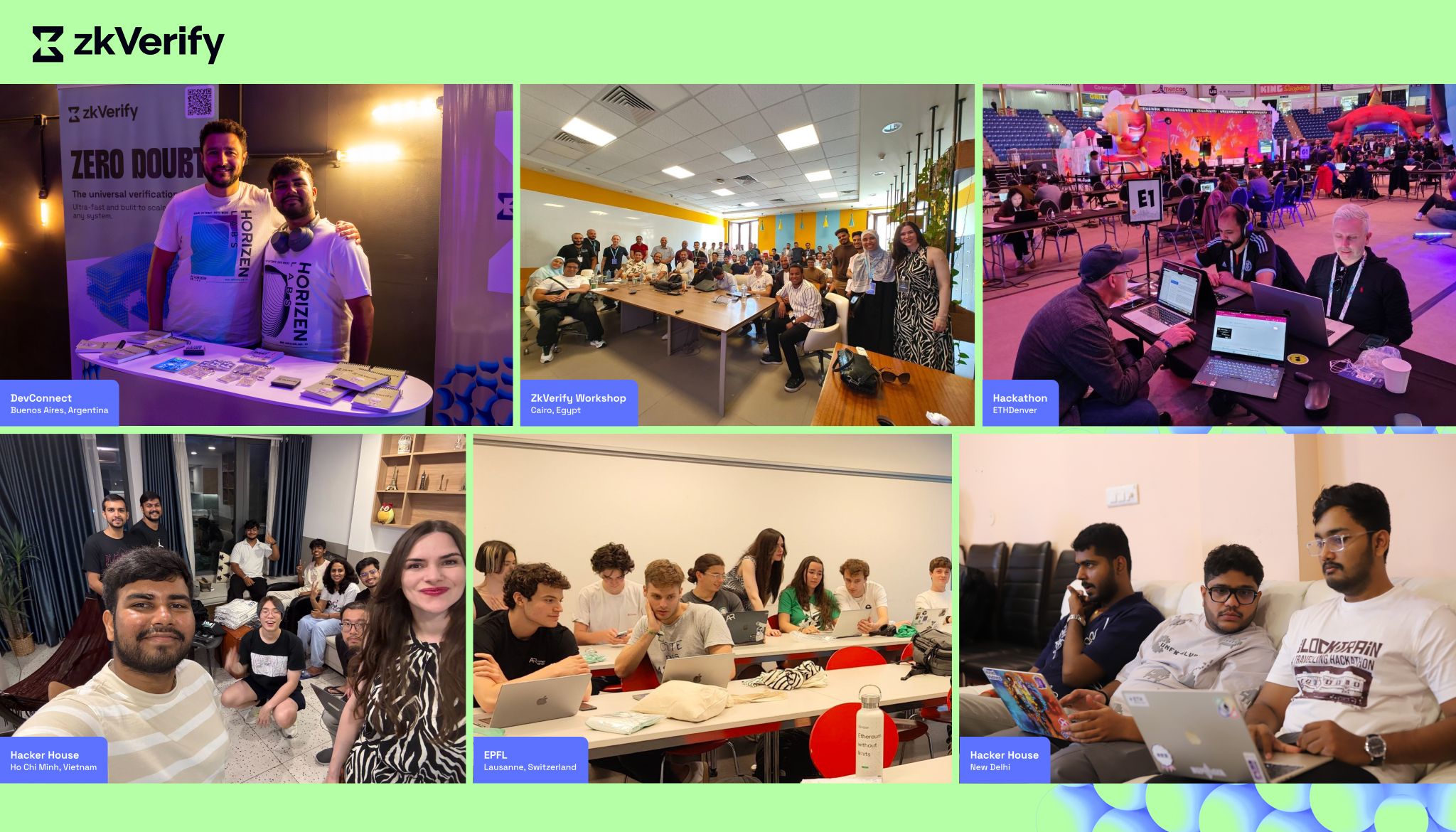
The numbers tell a compelling story. CallScan alone pumps in 50,000 to 100,000 proofs daily, a rhythm zkVerify handles without breaking a sweat. This throughput cements zkVerify’s role in pushing ZK proof scalability to new heights, especially for modular chains that can’t afford Ethereum’s gas guzzling verification. Imagine offloading that burden: settlement layers focus on finality, while zkVerify crunches the crypto math efficiently across schemes like Groth16, UltraPlonk, RiscZero, UltraHonk, Space and Time, and SP1. No more one-size-fits-all constraints.
From Whitepaper Vision to Mainnet Reality
Horizen Labs didn’t stumble into this. Their zkVerify protocol whitepaper laid out a blueprint for a Layer 1 blockchain purpose-built for proof verification, tackling the economic chokehold that has stifled ZK adoption. Verifying on general-purpose chains? Prohibitively expensive. zkVerify flips the script, delivering up to 91% cost cuts that could have spared ZK rollups over $42.8 million historically. It’s the missing link in the ZK stack, as Marco Marinelli from Horizen Labs put it during ETHSofia talks.
Zero-knowledge proofs are moving from tooling to protocol-level infrastructure. As zk becomes foundational, proof verification becomes the bottleneck to solve.
This evolution resonates deeply in my analysis of HorizenLabs zkVerify trends. Charts of verification throughput mirror explosive growth in ZK token adoption, signaling breakouts ahead for projects leaning on such infra.
Modular Design Unlocks Universal Compatibility
What sets zkVerify apart is its agnostic approach. Developers pick their poison – any proof system – and zkVerify verifies it at scale. This modularity is a game-changer for ZK rollups relying on trustless scaling, where provers generate and verifiers confirm without revealing data. No vendor lock-in; just plug-and-play efficiency.
Supported ZK Proof Systems
-
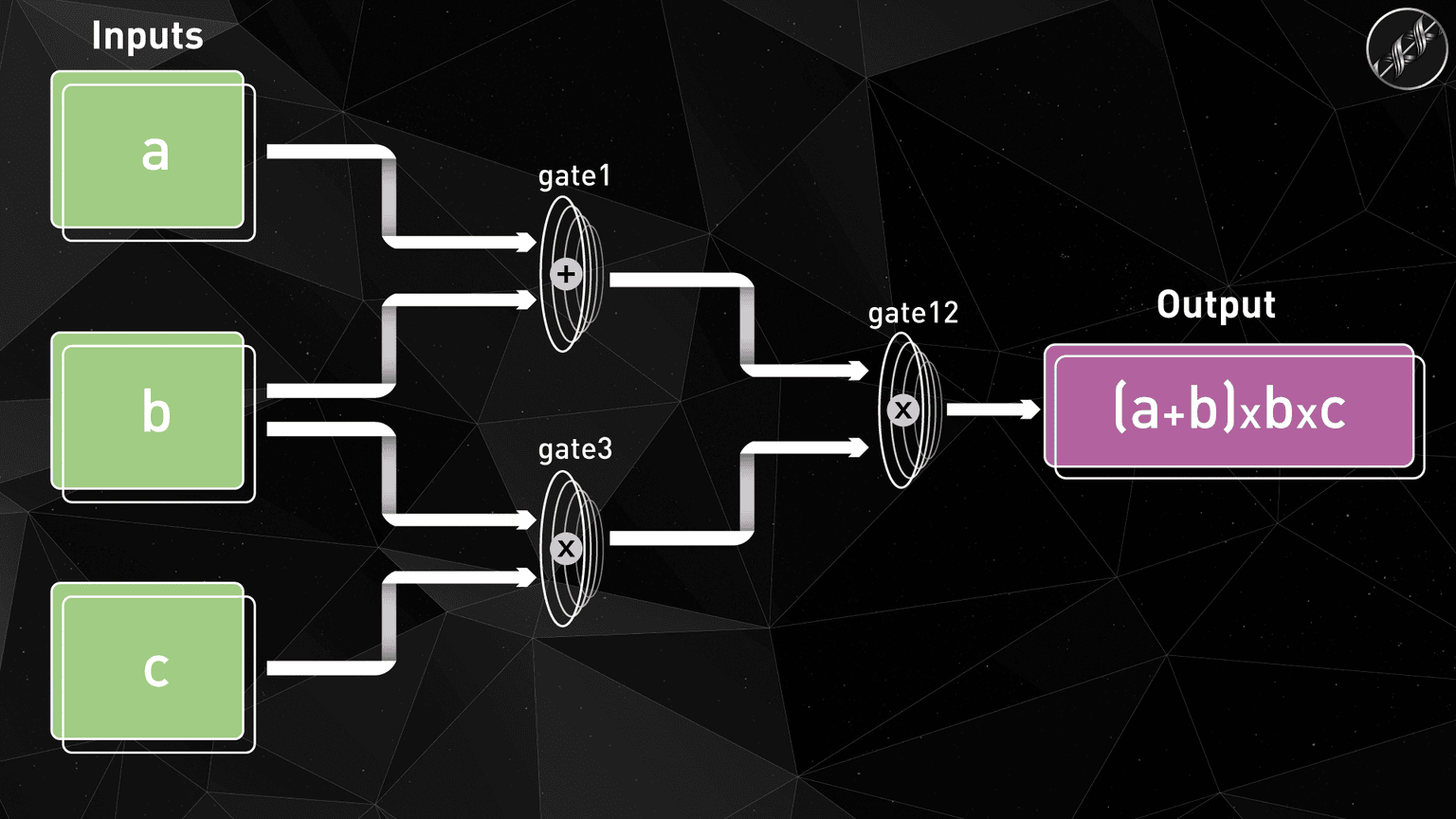
Groth16: Mature SNARK with ultra-fast verification times (milliseconds) and small proof sizes.
-
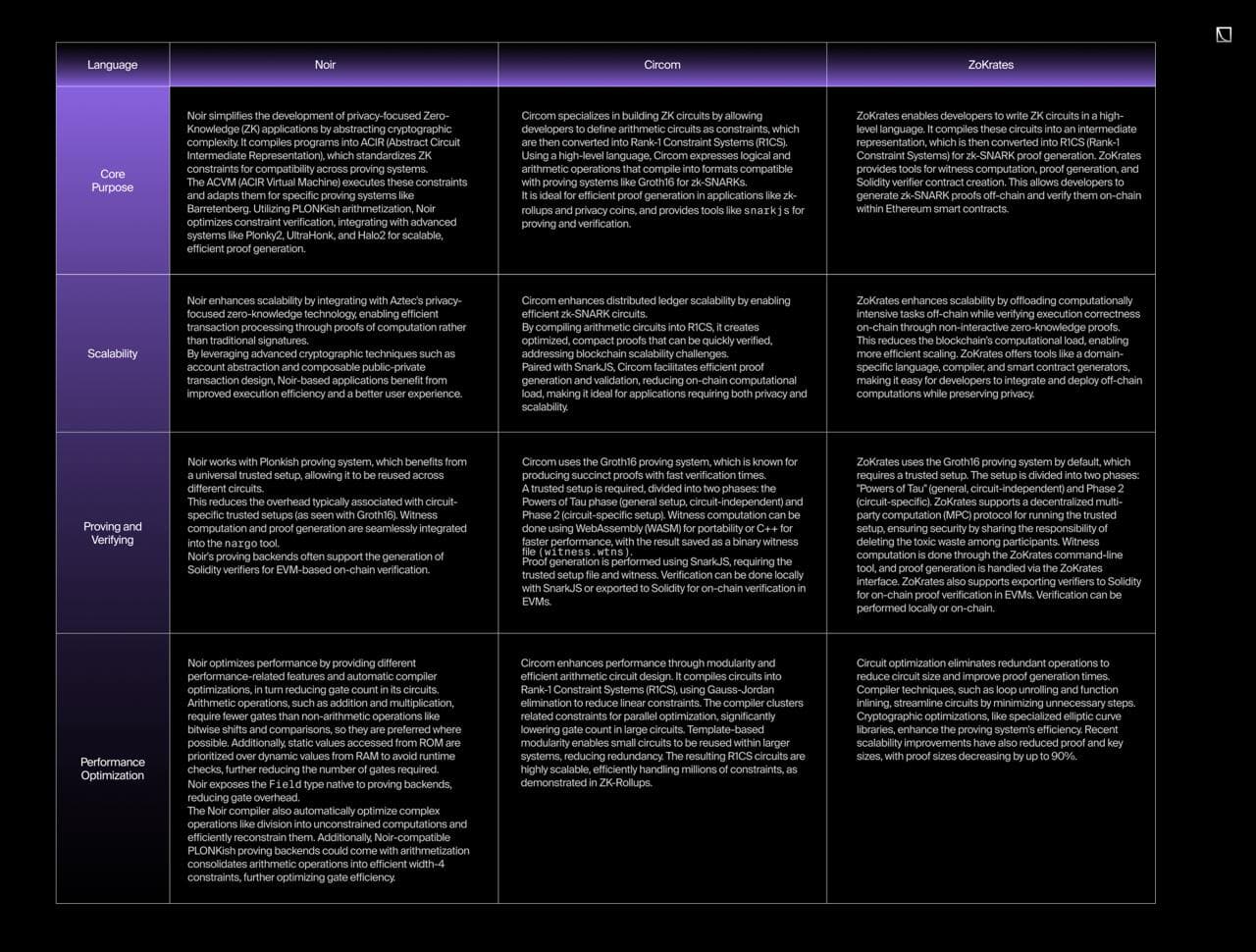
UltraPlonk: Efficient Plonk variant enabling recursion and scalability for rollups.
-
RiscZero: RISC-V zkVM for verifiable general-purpose computation in Rust.
-
UltraHonk: High-performance recursive proof system for aggregation.
-
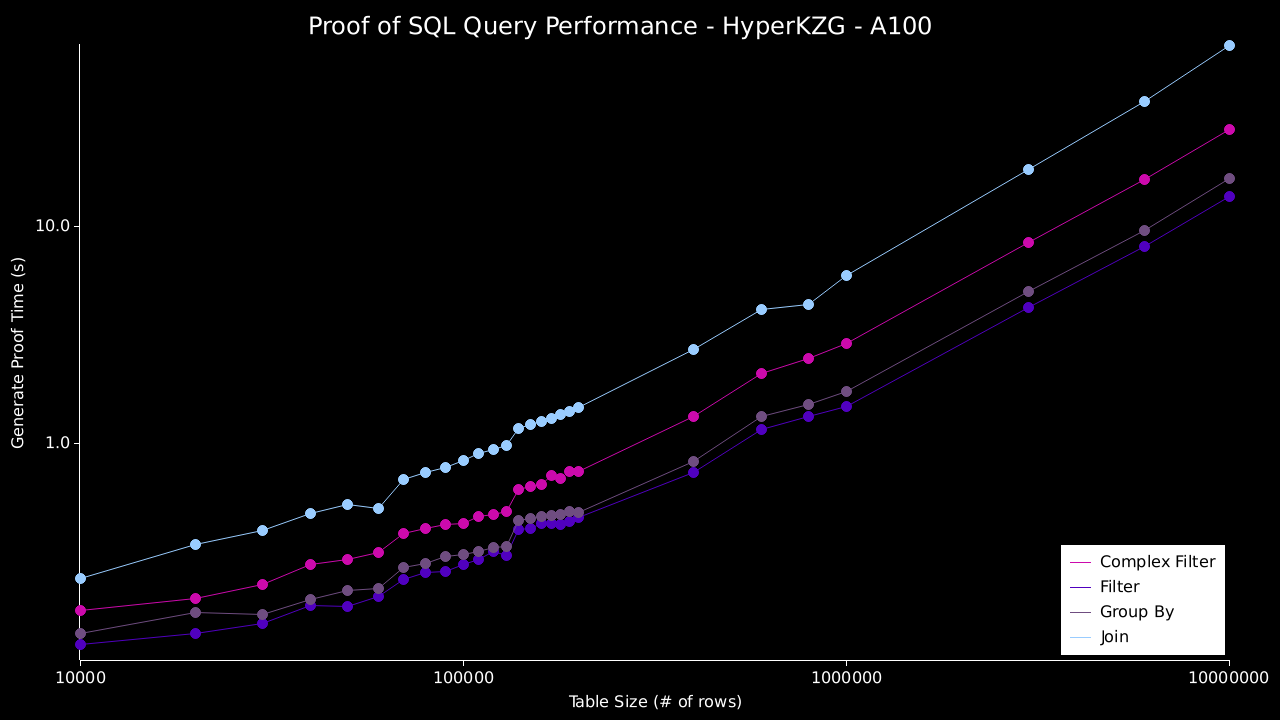
Space and Time: ZK coprocessor proofs for trusted SQL data queries.
-
SP1: Succinct’s fast zkVM for efficient RISC-V emulation.
Take Phala Network’s integration: TEE attestation proofs now verify cheaper by over 20%, bridging confidential compute to on-chain worlds seamlessly. Singularity taps it for institutional-grade privacy in data processing, while Zerobase, Tisura, and Succinct build DeFi, gaming, and rollup stacks atop this foundation. From my vantage charting privacy ZK patterns, these partnerships aren’t outliers; they’re the vanguard of a verification layer dominating modular ecosystems.
Cost Savings Fuel Real-World Scale
Let’s quantify the impact. Direct Ethereum verification drains resources; zkVerify’s specialized chain absorbs it, enabling high-frequency apps like CallScan to thrive. This cost efficiency directly boosts ZK proof scalability, turning theoretical privacy into deployable reality. For rollups, it’s liberation: post state roots without the verifier overhead crippling throughput.
Rollups now settle proofs on zkVerify, inheriting its efficiency without bloating their own chains. This modular verification layer isn’t just a cost-cutter; it’s a scalability multiplier for privacy zk rollups, where every verified proof preserves user data confidentiality while enabling lightning-fast transactions.
Partnerships Driving Adoption
Singularity leverages zkVerify for institutional-grade privacy, validating ZK proofs in secure data processing workflows that demand unbreakable confidentiality. Zerobase integrates it for DeFi primitives, Tisura for gaming ecosystems, and Succinct for rollup infrastructure, all benefiting from the platform’s universal compatibility. Phala Network’s collaboration stands out: their TEE attestation proofs verify with over 20% savings, paving the way for confidential computation to scale on-chain without prohibitive fees.

These integrations aren’t isolated wins. CallScan’s daily influx of 50,000 to 100,000 zkVerify proofs demonstrates sustained reliability under pressure. From a chartist’s perspective, this partner momentum correlates tightly with surging volumes in privacy ZK tokens. Breakout patterns emerge when verification throughput spikes, as seen in recent candles mirroring zkVerify’s growth trajectory.
The Broader Implications for Zero Knowledge Verification
zkVerify’s 17 million proof milestone signals a tipping point. Zero knowledge verification is no longer a niche optimization; it’s infrastructure-grade, supporting diverse schemes without favoritism. Developers gain freedom to innovate across Groth16 for succinctness, RiscZero for RISC-V compatibility, or SP1 for Ethereum-equivalent execution, all verified at fractions of Layer 1 costs. This universality accelerates ZK rollups’ succinctness advantages, extending beyond privacy to raw throughput gains.
Key zkVerify Partners and Benefits
| Partner | Use Case | Savings/Impact |
|---|---|---|
| Singularity | Institutional Privacy | High-performance validation |
| Phala | TEE Proofs | 20% cost reduction |
| CallScan | Daily Proofs | 50-100k proofs/day |
| Succinct | Rollup Infrastructure | Scalable verification |
| Zerobase | DeFi | Modular efficiency |
| Tisura | Gaming | Privacy-preserving apps |
In my decade charting markets, few trends rival this. Privacy ZK adoption curves steepen precisely when verification bottlenecks dissolve, foreshadowing token rallies for Horizen Labs ecosystem plays. zkVerify’s Layer 1 specialization offloads Ethereum’s verifier tax, letting rollups post state roots with minimal friction. The result? A Web3 where scalability and privacy coexist, not compete.
Looking ahead, expect zkVerify to anchor more modular stacks. As ZK proofs proliferate in DeFi, gaming, and AI-driven apps, its role in ZK proof scalability will only expand. Horizen Labs has engineered a verifier that doesn’t just process proofs; it empowers an era of confidential, high-velocity blockchains. Charts confirm it: the privacy surge is just beginning.