zkVerify Efficiently Verifies 14 Million Proofs: Modular Layer Breakdown
In the relentless race to scale zero-knowledge proofs without compromising on speed or security, zkVerify just dropped a bombshell: 14 million proofs verified with surgical efficiency. This isn’t hype; it’s a battle-tested reality from Horizen Labs’ brainchild, proving that dedicated infrastructure can tame the ZK beast. Developers and rollup builders, take note, this modular ZK layer is your ticket to slashing verification costs while keeping data shadows intact.

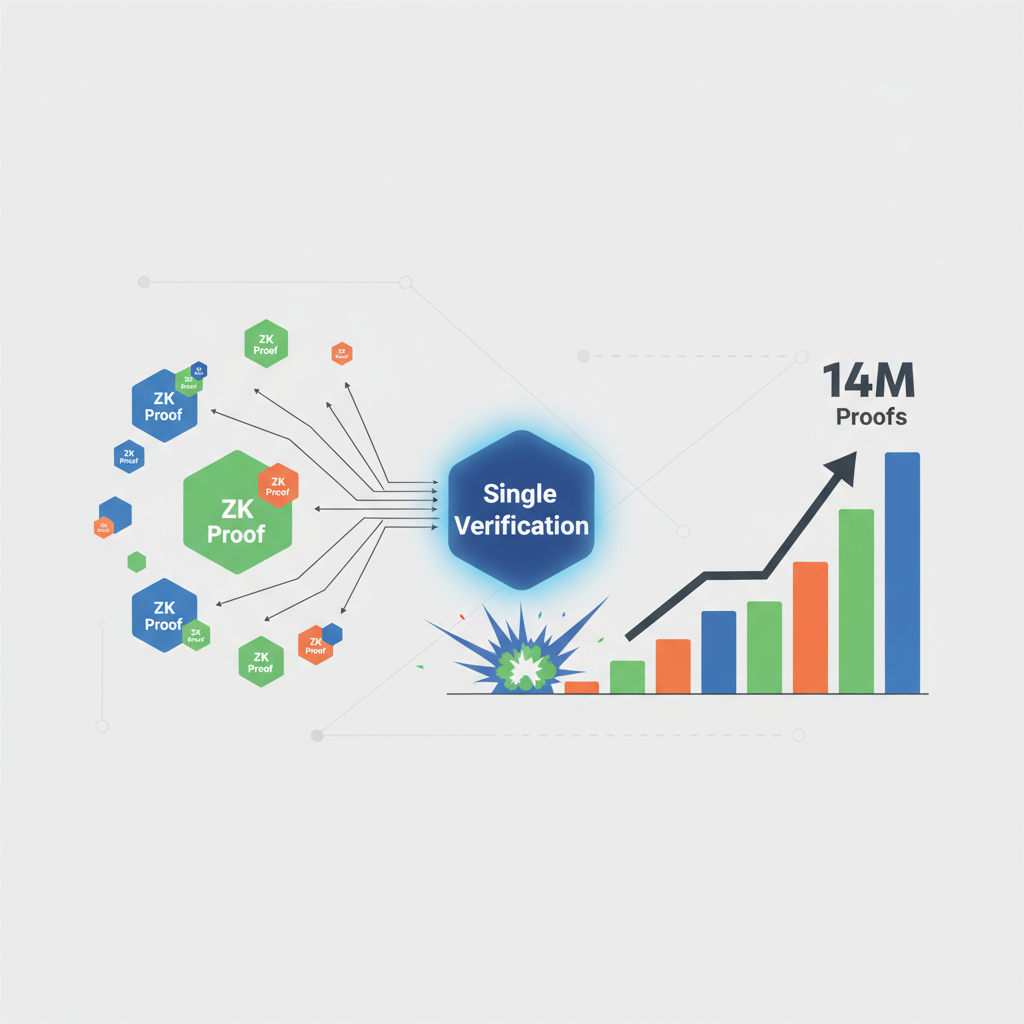
Picture this: Ethereum zk-rollups alone burned through $47 million on verifications in 2023, per Horizen Labs estimates. Fast-forward to now, and zkVerify’s Substrate-based blockchain is offloading that burden, verifying proofs at a fraction of the cost. Their aggregation engine bundles proofs into single attestations, cutting data bloat and gas fees. It’s not just numbers; it’s a paradigm shift for Web3 scalability.
Why 14 Million Proofs Signals zkVerify Supremacy
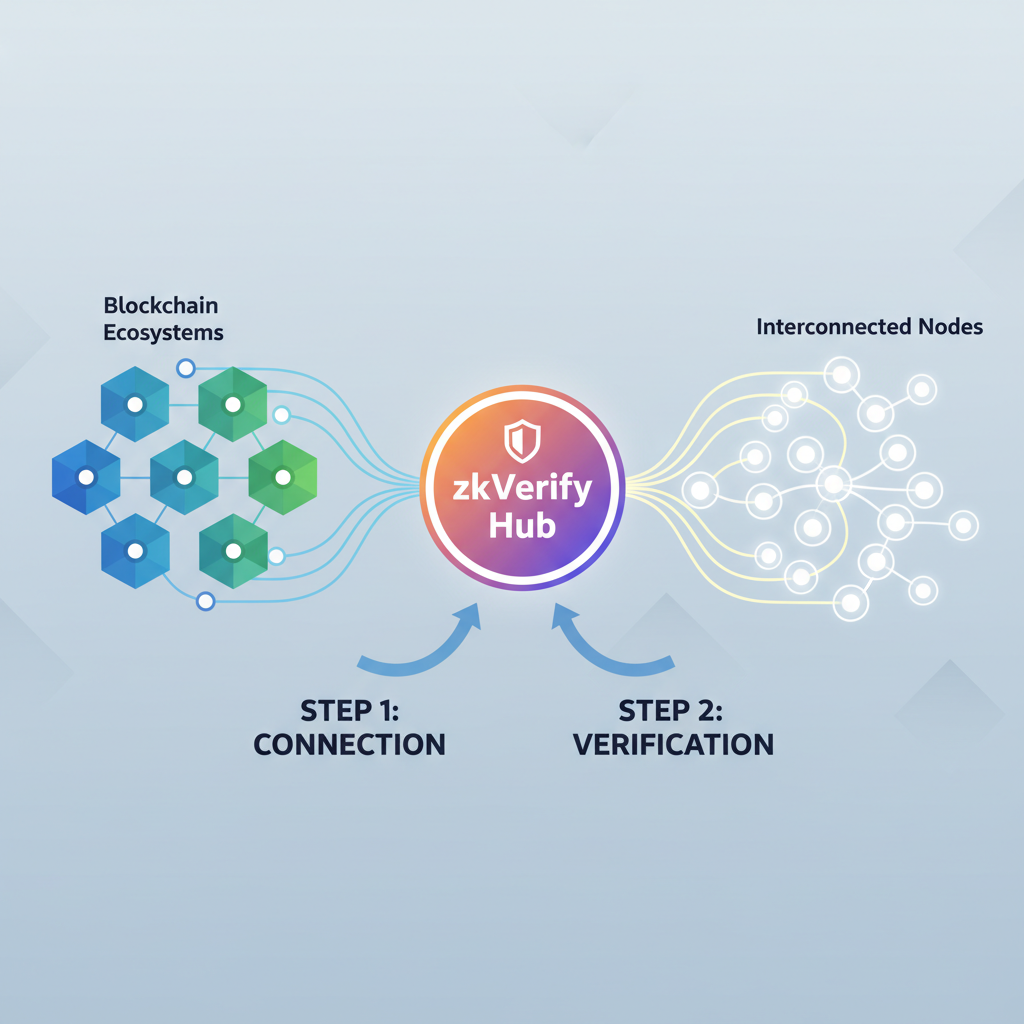
From testnet’s 2 million proofs to mainnet’s explosive growth past 7 million, then 10, and now zkVerify 14 million proofs milestone, the trajectory screams reliability. Horizen Labs didn’t just launch a chain; they built zkVerify infrastructure that fades into the background while handling the heavy lifting. Applications, rollups, and protocols submit proofs here, freeing primary chains for what they do best: execution.

This efficiency stems from built-in verifier pallets supporting multiple ZK systems, Groth16, Plonk, you name it. No more jury-rigging verifiers on general-purpose L1s. zkVerify’s decentralized network extends verification reach, making efficient ZK proofs accessible even for resource-strapped projects. And with the ZK market eyeing $1.5 billion by 2030, per MEXC insights, early adopters are positioning for massive gains.
Unpacking the Modular Layer: Substrate’s Power Play
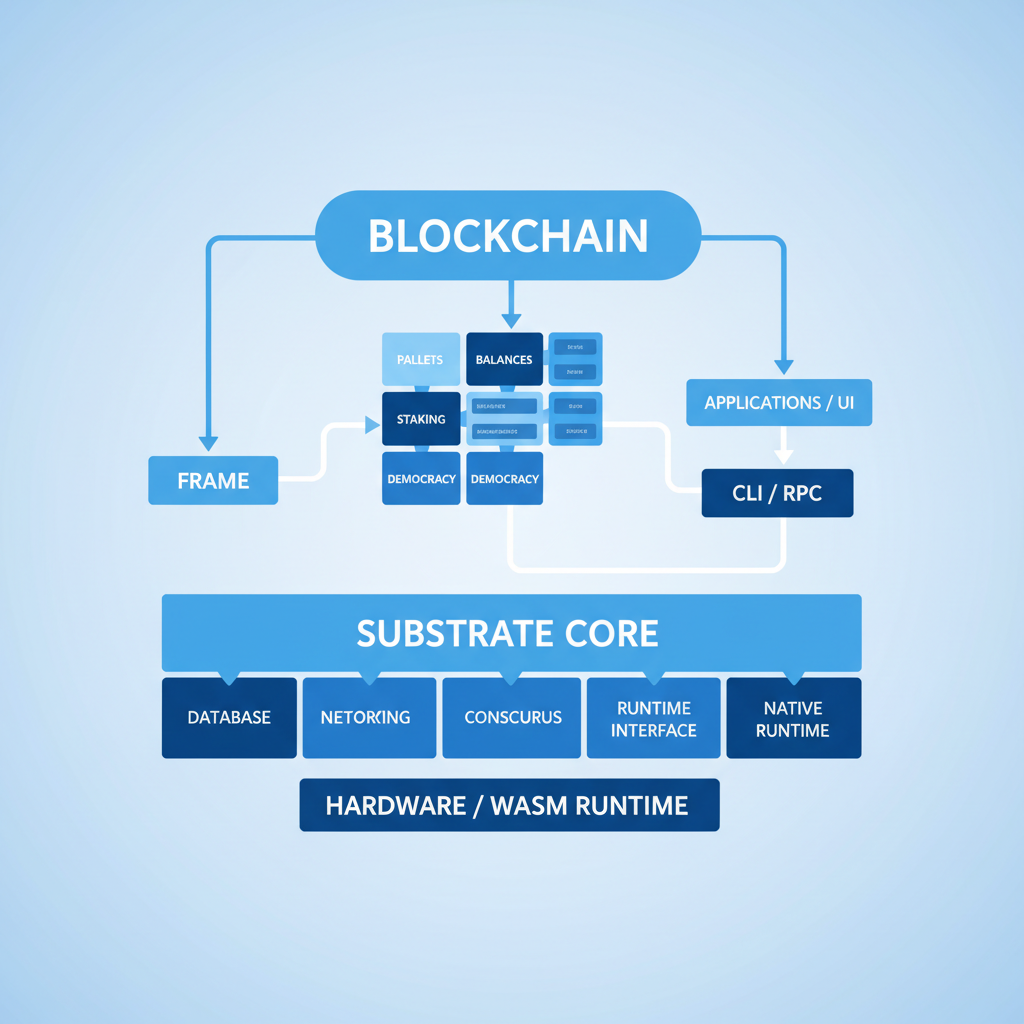
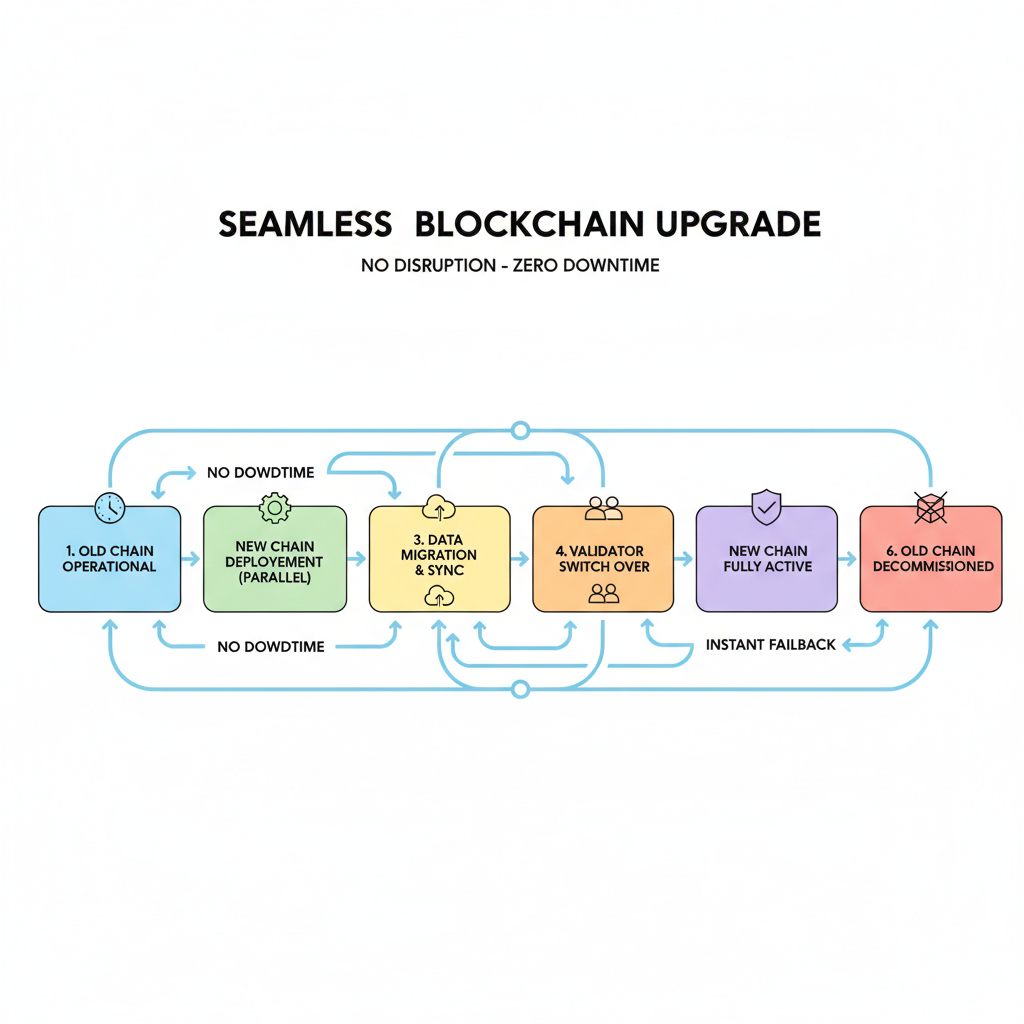
At zkVerify’s core lies a modular ZK layer powered by Substrate, the framework behind Polkadot’s magic. Zain Cheng from Horizen Labs nailed it in recent talks: modularity means plug-and-play verifiers, customizable pallets, and seamless upgrades without chain halts. This isn’t rigid; it’s adaptive, letting ecosystems integrate without friction.
Master zkVerify’s Modular Magic: Pallets, Upgrades & Integrations Unleashed
Horizen Technical Analysis Chart
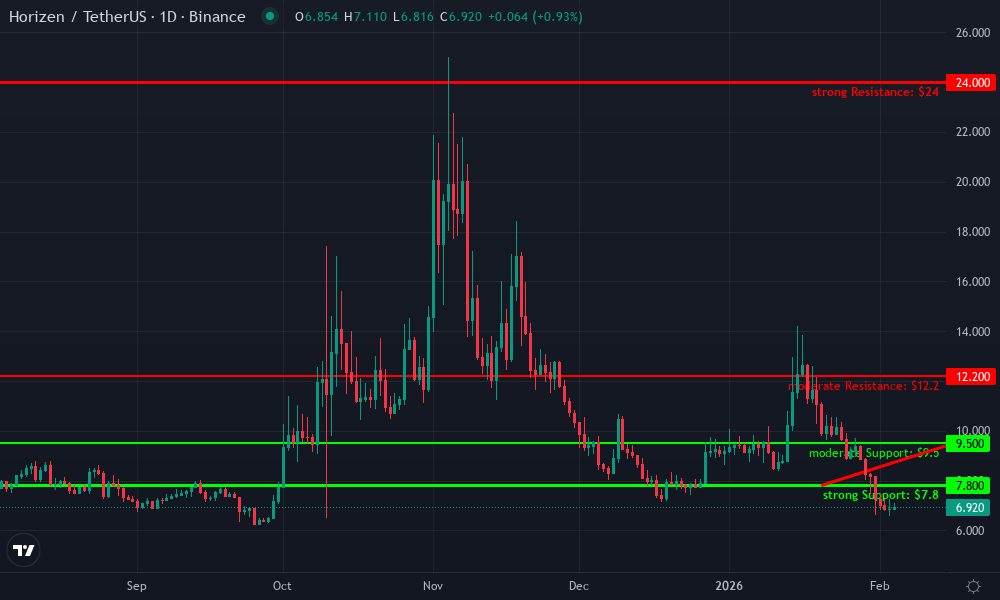
Analysis by Market Analyst | Symbol: BINANCE:ZENUSDT | Interval: 1D | Drawings: 7
Technical Analysis Summary
As a seasoned Market Analyst with 5 years of technical focus, my drawing instructions emphasize clarity and balance: Begin with ‘trend_line’ for the dominant downtrend from the December 2026 peak (2026-12-10T00:00:00Z at 27.80) to the January 2026 low (2026-01-20T00:00:00Z at 7.80), highlighting the corrective phase post-rally. Add ‘horizontal_line’ at key support 7.80 (strong) and resistance 12.20 (moderate), extending across the chart. Use ‘rectangle’ to box the recent consolidation zone from 2026-01-20T00:00:00Z to 2026-02-04T11:33:00Z between 7.80-12.20, signaling potential accumulation. Apply ‘fib_retracement’ from the Oct low (2026-10-05T00:00:00Z, 7.20) to Dec high for retracement levels at 38.2% (14.50) and 50% (17.50) as targets. Mark volume spikes with ‘arrow_mark_down’ on the downside thrust in late Dec/early Jan. Place ‘callout’ texts at MACD bearish divergence near Feb and volume pattern shift. Finally, ‘arrow_mark_up’ for potential reversal if breaks 12.20, maintaining a balanced view without overcommitting.
Risk Assessment: medium
Analysis: High volatility from recent 70% drawdown balanced by strong support hold and positive ZK fundamentals; medium tolerance suits waiting for confirmation amid crypto uncertainty
Market Analyst’s Recommendation: Hold off new longs until close above 12.20 with volume; scale in medium position on dips to 9.5, target 15-17.5, stop 7.2. Balanced patience yields best R:R.
Key Support & Resistance Levels
📈 Support Levels:
-
$7.8 – Strong multi-test low with volume shelf, aligns with prior swing low
strong -
$9.5 – Intermediate support in consolidation, recent bounces
moderate
📉 Resistance Levels:
-
$12.2 – Recent range high, prior minor peak
moderate -
$16 – 50% fib retrace and channel midline
weak -
$24 – Major prior high zone from rally
strong
Trading Zones (medium risk tolerance)
🎯 Entry Zones:
-
$9.5 – Dip buy on support test with volume divergence, aligns with accumulation
medium risk -
$10.5 – Breakout above consolidation midline on increasing volume
low risk
🚪 Exit Zones:
-
$15 – 38.2% fib target, moderate resistance confluence
💰 profit target -
$17.5 – 50% fib extension, dynamic resistance
💰 profit target -
$7.2 – Invalidation below strong support and trendline origin
🛡️ stop loss
Technical Indicators Analysis
📊 Volume Analysis:
Pattern: Climactic selling volume on downside followed by drying up in base
High volume on Dec-Jan drop confirms distribution; low volume now suggests seller exhaustion, bullish for reversal
📈 MACD Analysis:
Signal: Bearish divergence with price lows
MACD histogram contracting negatively but line/signal divergence hints at weakening momentum near Feb lows
Applied TradingView Drawing Utilities
This chart analysis utilizes the following professional drawing tools:
Disclaimer: This technical analysis by Market Analyst is for educational purposes only and should not be considered as financial advice.
Trading involves risk, and you should always do your own research before making investment decisions.
Past performance does not guarantee future results. The analysis reflects the author’s personal methodology and risk tolerance (medium).
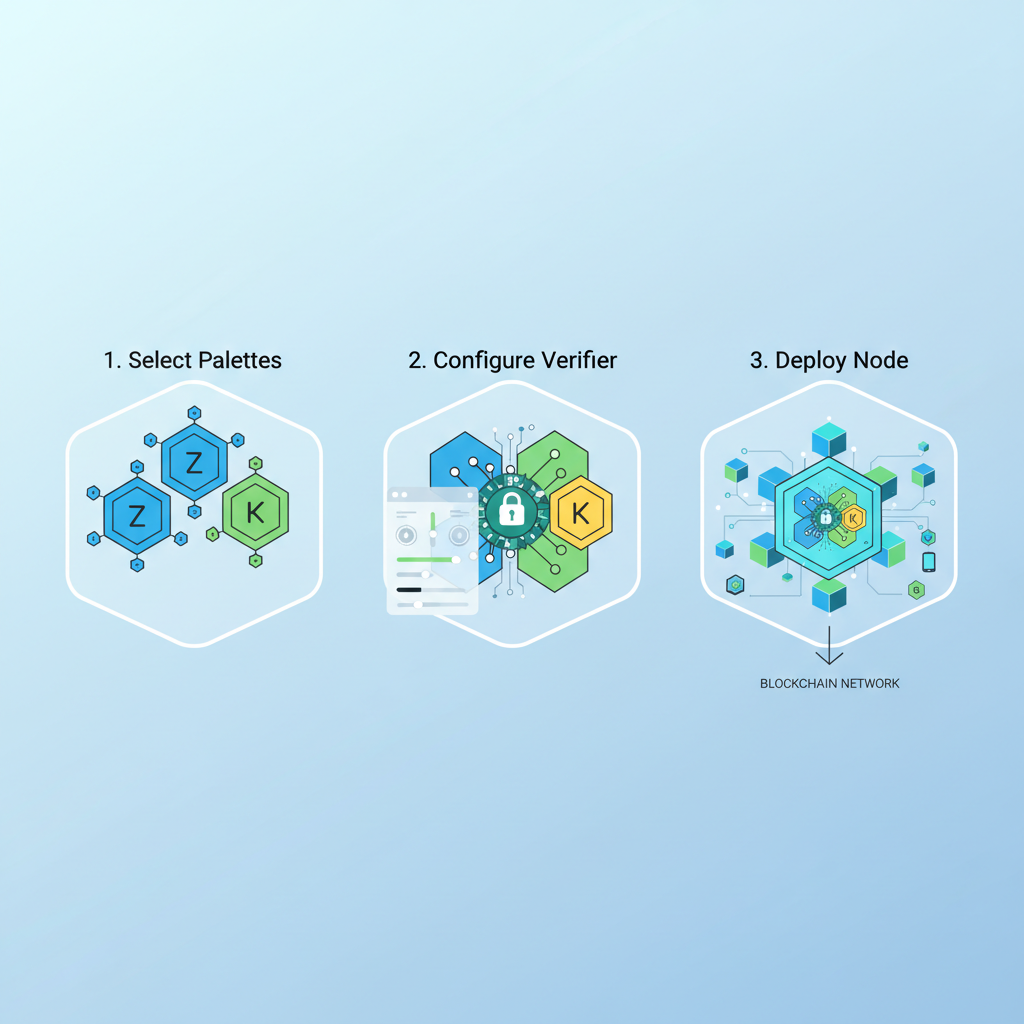
Think of it as Lego for ZK: snap in support for new proof systems as they emerge. HorizenLabs verification shines here, with over 90% cost reductions achieved by specializing hardware and software for verification alone. No extraneous features bloating the chain, just pure, lean proof checking. Their whitepaper draft v0.1.0 spells it out: decentralized nodes verify in parallel, aggregating results for atomic finality.
Aggregation Engine: The Cost-Killer You Need
Verification is the bottleneck; everyone knows it. zkVerify flips the script with an aggregation engine that merges multiple proofs into one succinct attestation. This slashes on-chain data from megabytes to kilobytes, directly translating to HorizenLabs verification savings. Testnet proved it with 2 million proofs; mainnet scaled it to 14 million without breaking a sweat.
Founded by Rob Viglione in 2023 with $11 million backing, zkVerify (VFY) is no flash in the pan. Partnerships like the ZkBoost Consortium Governing Council cement its interoperability push. For privacy advocates and DeFi engineers, this means backtesting models with FHE-like privacy, verifying swings in zk token trades without exposing positions. Swing with shadows, indeed, zkVerify makes it profitable and private.
GitHub repos buzz with Substrate pallets ready for your fork. KuCoin shoutouts highlight their grind: from 7 million to double digits in routine weeks. CryptoSlate’s coverage underscores the stakes, industry projections hit 4.4 billion proofs by 2025. zkVerify isn’t waiting; it’s leading, motivating you to build atop this foundation.