Brevis ZK Prover Benchmarks: 1500 Proofs in 0.3 Seconds for Web3 Apps

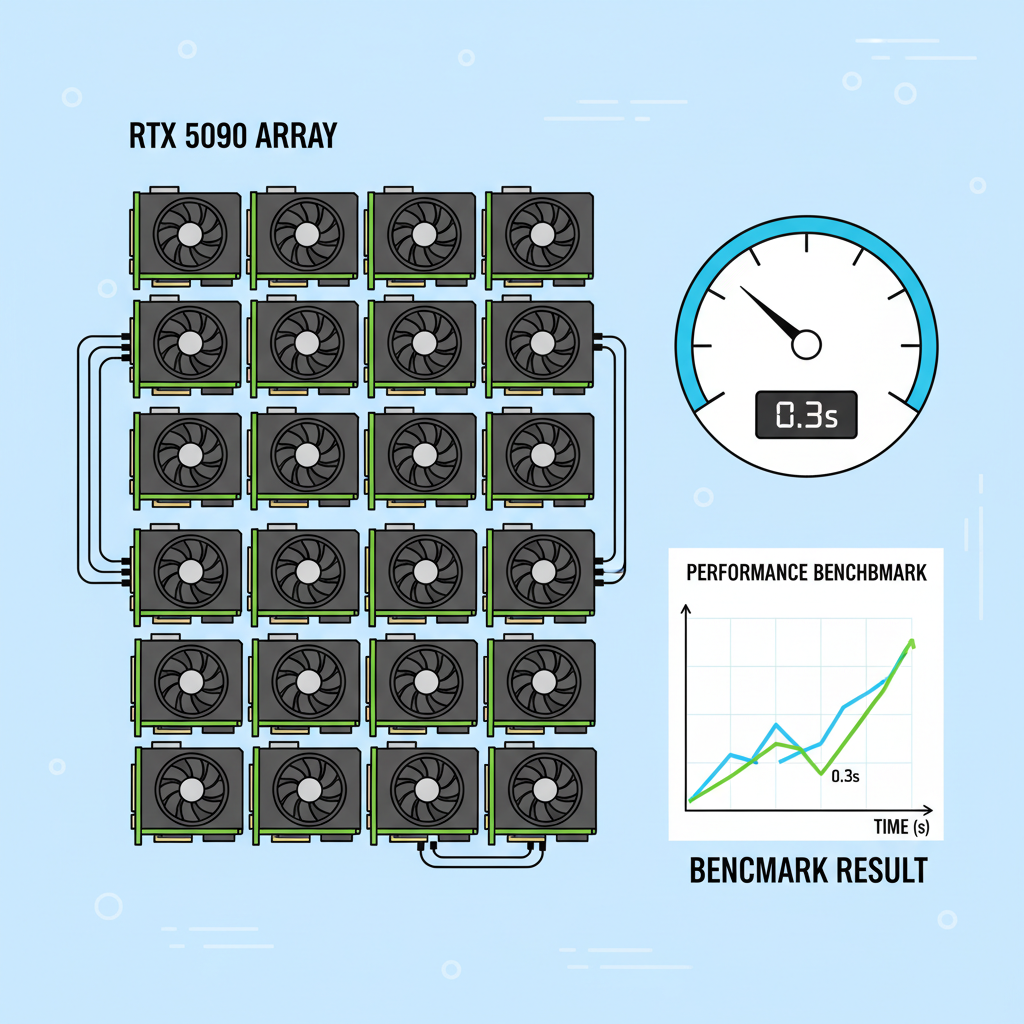
In the evolving landscape of zero-knowledge proofs, Brevis has set a new standard with its Brevis ZK prover benchmarks, generating 1,500 proofs in just 0.3 seconds using Pico Prism zkVM. This feat, achieved on consumer-grade hardware, promises to accelerate real-time ZK proofs for Web3 applications, where verifiable computation meets practical scalability. As Ethereum eyes full zkEVM integration, such advancements underscore the shift toward efficient ZK compute scaling.

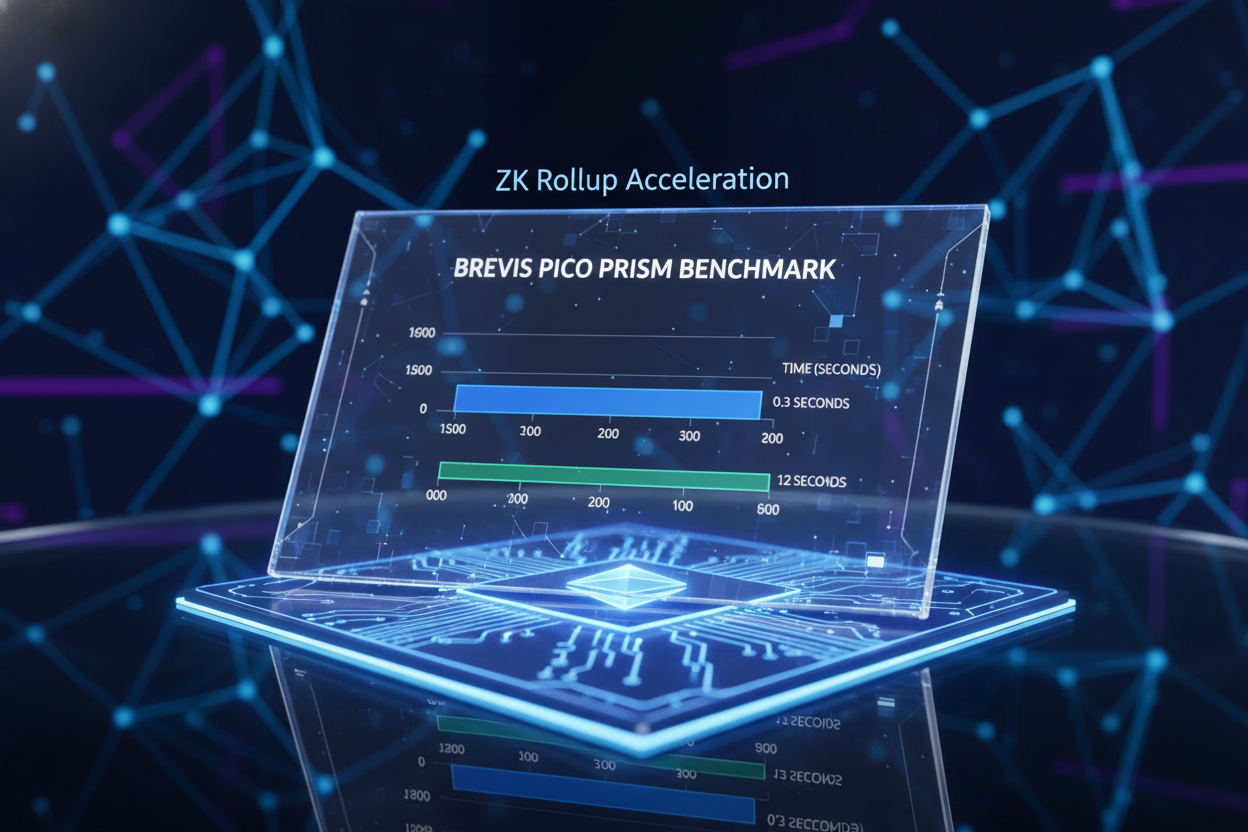
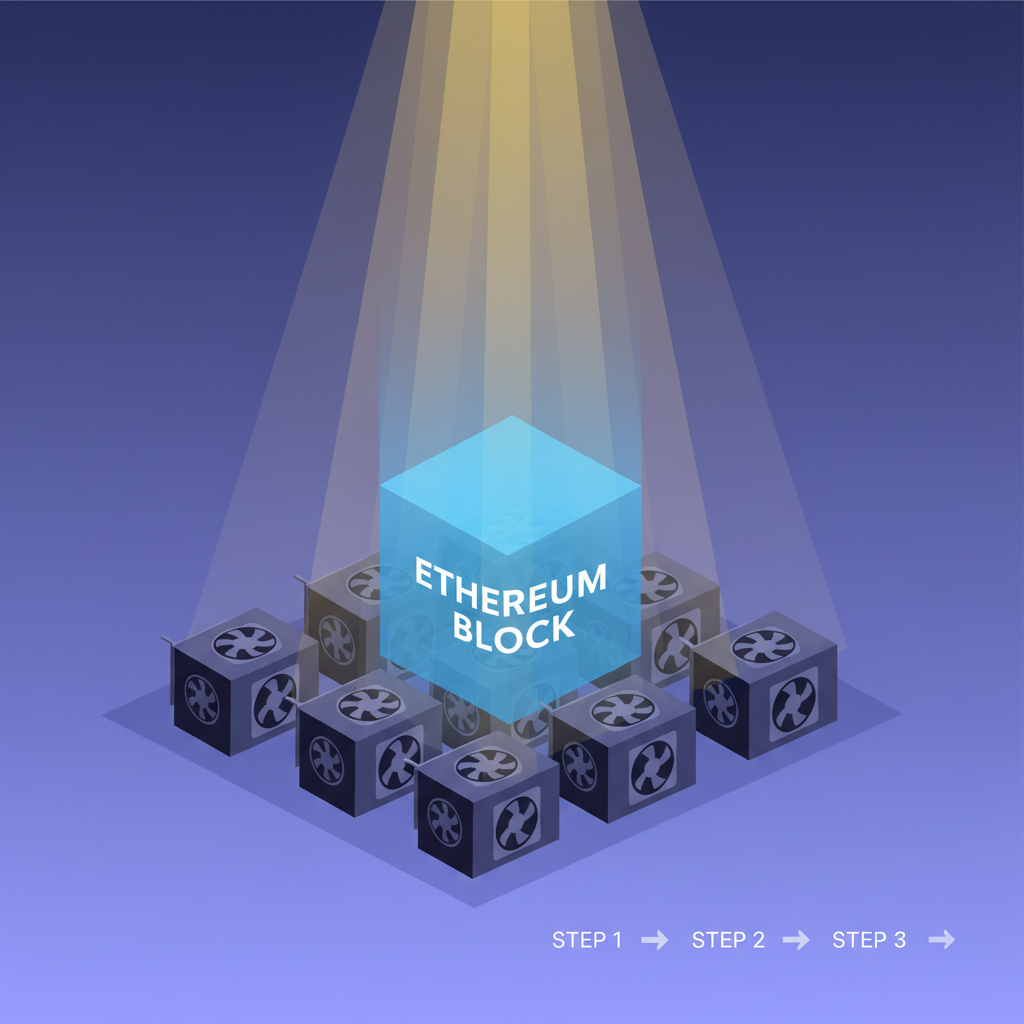
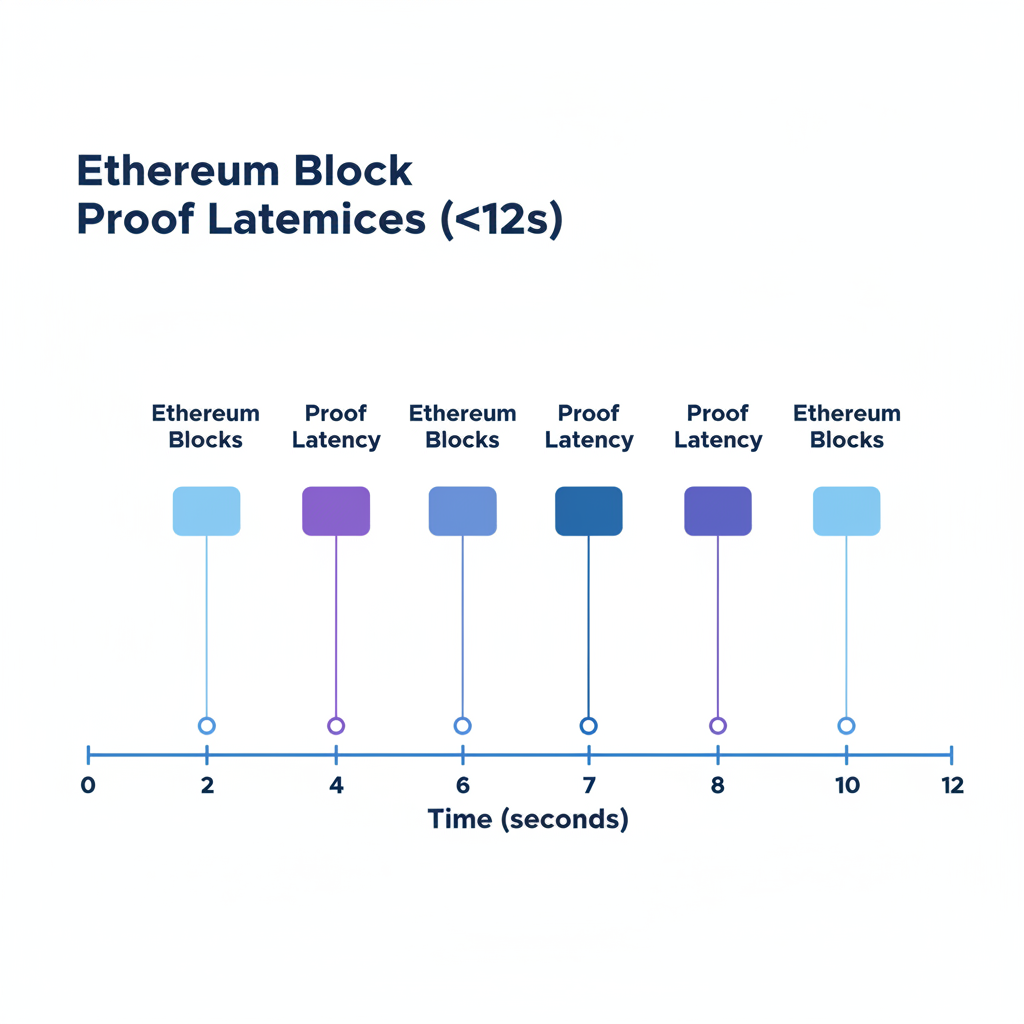
Brevis tackles a core challenge in blockchain: proving complex computations quickly without sacrificing security. Traditional ZK provers often lag, bottlenecking DeFi protocols and data availability layers. Pico Prism changes that equation through parallel proving and optimized zkVM design, delivering proofs for 45 million gas Ethereum blocks at an average of 6.9 seconds. This isn’t mere lab curiosity; it’s production-ready performance tailored for privacy proofs in Web3.
Decoding the Pico Prism Benchmarks
The numbers speak volumes. Brevis reports 99.6 percent of blocks proven under 12 seconds, with 96.8 percent under 10 seconds at P99 latency. Powered by 64 NVIDIA RTX 5090 GPUs, this setup slashes hardware costs by 50 percent compared to prior solutions. Investors like myself, with a conservative eye on long-term viability, appreciate how this balances speed and affordability. No longer confined to data centers, high-end ZK proving edges toward decentralization.
Brevis Pico Prism zkVM Benchmarks
| Metric | Value |
|---|---|
| Total Proofs | 1,500 in 0.3 seconds 🚀 |
| Average Latency (45M gas Ethereum blocks) | 6.9 seconds per proof |
| Proving Coverage | 99.6% under 12s, 96.8% under 10s |
| Hardware | 64x NVIDIA RTX 5090 GPUs |
| Cost Reduction | 50% vs. previous solutions |
These Brevis benchmarks extend beyond raw speed. They validate zkVM’s maturity for real-world Ethereum blocks, addressing gas limits that mirror mainnet demands. In my view, this maturity tempers the hype around ZK rollups, revealing a path where patience yields compounding returns in privacy-preserving infrastructure.
Bridging Historical Data and Verifiable Compute
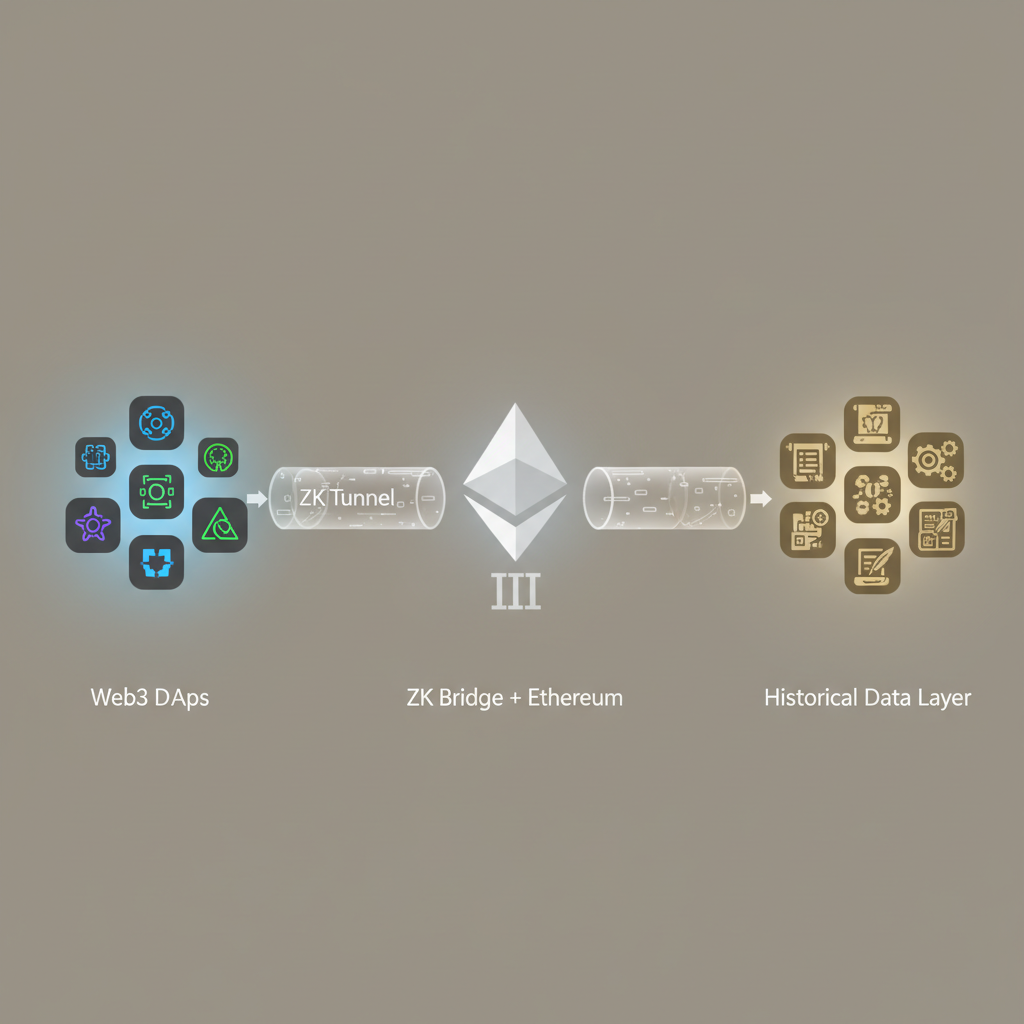
Brevis shines by enabling smart contracts to access historical on-chain data via ZK proofs, coupled with off-chain computations. This “infinite verifiable computing layer” unlocks use cases like retroactive queries in DeFi or compliance checks without exposing sensitive inputs. Picture protocols verifying past states instantaneously; that’s the Web3 pivot from static to dynamic privacy.
Unlocking Ethereum History: Brevis ZK Proofs Guide

Conservatively, we must weigh centralization risks in current setups. While Pico Prism leverages consumer GPUs admirably, true resilience demands ProverNet’s decentralized marketplace. Brevis’s whitepaper outlines this vision: apps submit tasks, nodes compete on proofs, fostering a robust economy. Early signals from 2025 launches suggest viability, but sustained adoption will prove its mettle amid volatility.
Hardware Efficiency Fuels ZK Adoption
RTX 5090’s role here merits scrutiny. These GPUs, accessible to serious enthusiasts, host the parallel Prism framework, distributing proof workloads efficiently. A 50 percent cost drop democratizes ZK compute scaling, potentially onboarding more provers and slashing fees for dApps. From a portfolio lens, this efficiency bolsters Brevis’s position in diversified ZK stacks, prioritizing preservation over speculation.
Yet, benchmarks alone don’t guarantee ubiquity. Integration with Ethereum’s roadmap, including Danksharding, will test these gains. Brevis’s 6.9-second average holds promise for sub-second finality in future layers, enhancing privacy proofs for Web3 without compromising decentralization ideals.
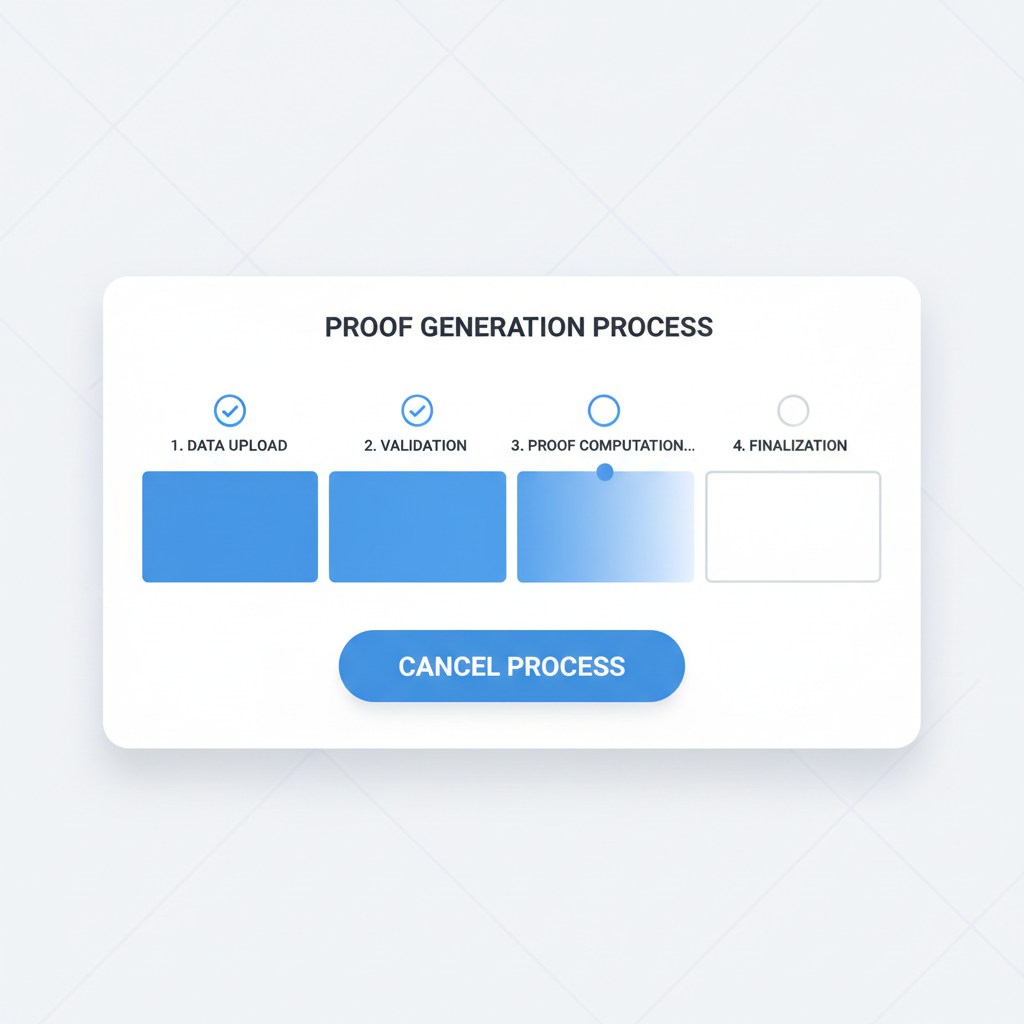
ProverNet emerges as the linchpin for this evolution, transforming proof generation from a centralized bottleneck into a competitive marketplace. By matching dApp requests with global prover nodes, it incentivizes efficiency and redundancy. Brevis’s 2025 launch demonstrated early traction, with tasks routed seamlessly across hardware like RTX 5090 clusters. This model aligns incentives thoughtfully, rewarding low-latency proofs while penalizing failures, much like a mature derivatives market stabilizes volatility.
Real-World Implications for Web3 Scalability
Consider DeFi protocols strained by oracle dependencies or rollups hampered by proof delays. Brevis ZK prover benchmarks address these pain points head-on, enabling real-time ZK proofs that sync with Ethereum’s 12-second slots. A 0.3-second burst for 1,500 proofs isn’t hype; it’s a glimpse of sub-block-time verification, vital as gas limits climb toward 45 million routinely. Privacy advocates gain too, as off-chain data feeds into on-chain logic without leaks, fortifying ZK compute scaling against MEV exploits.
Ethereum Technical Analysis Chart
Analysis by Ethan Wilson | Symbol: BINANCE:ETHUSDT | Interval: 1W | Drawings: 6
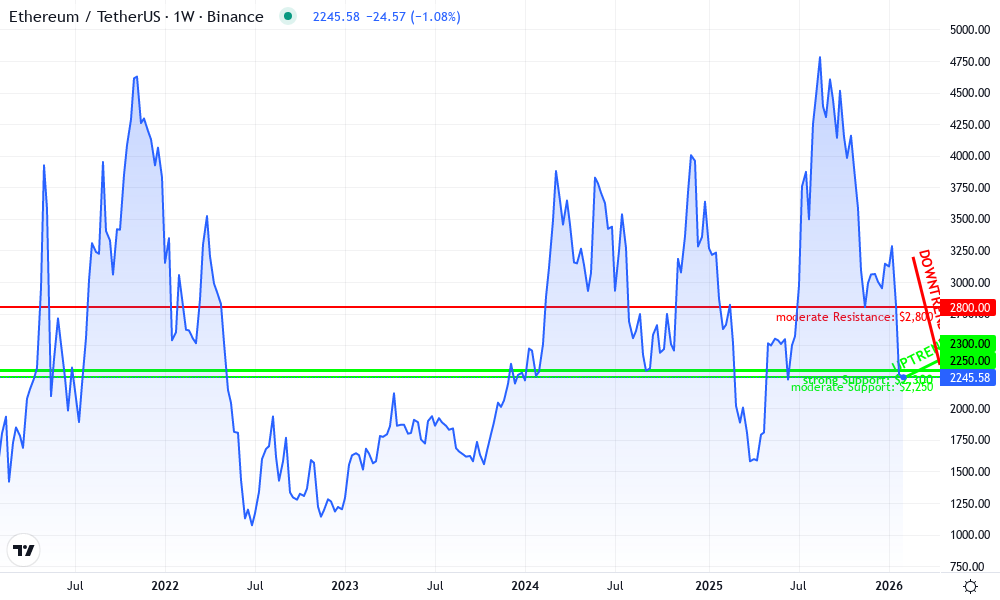
Technical Analysis Summary
As Ethan Wilson, apply conservative hybrid analysis: Draw a primary uptrend line from the 2026 Q1 lows connecting swing lows at 2026-02-10 (price 2250) to 2026-05-15 (price 2320), extending to current levels around 2550, with 0.85 confidence. Overlay a short-term downtrend from 2026-03-01 peak (3200) to recent highs. Mark horizontal lines at key support 2300 (strong) and resistance 2800 (moderate). Rectangle consolidation zone from 2026-06-01 to now between 2400-2600. Fib retracement from recent high to low. Arrow up on MACD bullish cross mid-June 2026. Callouts on volume spikes aligning with ZK news in Feb 2026. Long position marker at 2350 entry with stop 2280, target 2900. Text notes emphasizing patience in privacy tech amid volatility.
Risk Assessment: low
Analysis: Conservative setup with strong support confluence, positive fundamentals from ZK advancements; low volatility in current range suits my tolerance
Ethan Wilson’s Recommendation: Hold/accumulate longs conservatively for long-term ZK upside, patience over speculation
Key Support & Resistance Levels
📈 Support Levels:
-
$2,300 – Strong Q1 low tested twice, volume shelf
strong -
$2,250 – Minor swing low, potential deeper support
moderate
📉 Resistance Levels:
-
$2,800 – Recent rejection zone, prior consolidation high
moderate -
$3,200 – Q1 high, psychological barrier
weak
Trading Zones (low risk tolerance)
🎯 Entry Zones:
-
$2,350 – Bounce from strong support with volume confirmation, low-risk long aligned to uptrend
low risk -
$2,400 – Consolidation midpoint pullback
medium risk
🚪 Exit Zones:
-
$2,900 – Measured move target from range, fib 1.618
💰 profit target -
$2,280 – Below key support invalidates setup
🛡️ stop loss
Technical Indicators Analysis
📊 Volume Analysis:
Pattern: bullish divergence – rising volume on pullbacks, fading on highs
Supports accumulation phase amid ZK hype
📈 MACD Analysis:
Signal: bullish crossover in late June 2026
Momentum shifting positive post-correction
Applied TradingView Drawing Utilities
This chart analysis utilizes the following professional drawing tools:
Disclaimer: This technical analysis by Ethan Wilson is for educational purposes only and should not be considered as financial advice.
Trading involves risk, and you should always do your own research before making investment decisions.
Past performance does not guarantee future results. The analysis reflects the author’s personal methodology and risk tolerance (low).
From my vantage as a portfolio manager, these metrics signal durability. We’ve seen ZK projects falter on unproven hardware claims, but Brevis’s consumer GPU reliance tempers exuberance with pragmatism. A 50 percent cost reduction invites broader participation, yet demands rigorous node economics to deter centralization. ProverNet’s design, detailed in the whitepaper, counters this by distributing rewards proportionally to verified outputs, fostering a self-regulating ecosystem.
Historical data access amplifies the stakes. Smart contracts today glimpse only the present; Brevis layers in zk-verified history, powering intents like cross-chain settlements or retroactive airdrops. This “optimistic querying through time, ” as one analysis frames it, extends Ethereum’s state without bloating the chain, preserving scarcity while unlocking liquidity.
Navigating Risks in ZK Proving Frontiers
Conservatism bids caution amid triumphs. While 99.6 percent coverage impresses, the trailing 0.4 percent of blocks- those edge cases with outlier opcodes- warrant scrutiny. Brevis mitigates via Prism’s parallelization, yet quantum threats or opcode shifts loom. Diversification remains key: pair Brevis exposure with FHE complements for hybrid privacy stacks resilient to single-point tech risks.
ZK Provers Performance Comparison
| Prover | Avg. Time (s) | % < 12s | Hardware |
|---|---|---|---|
| Brevis (Pico Prism) | 6.9 | 99.6% | Consumer GPUs (64x RTX 5090) |
| Rival A | 20 | 70% | — |
| Rival B | 15 | 85% | — |
Enterprise adoption beckons quietly. Compliance-heavy sectors crave auditable computations sans data surrender; Brevis equips them with zkVM portability across chains. Imagine banks verifying collateral histories off-ledger, proven on-chain instantaneously. Such bridges from Web3 to TradFi underscore ZK’s maturation, rewarding patient allocators who indexed early.
Brevis’s trajectory mirrors broader ZK inflection. From lab curiosities to production engines, Brevis benchmarks chart a course where speed serves security. As Ethereum migrates toward full verifiability, platforms like this underpin the next scalability wave, blending efficiency with unassailable privacy. Investors attuned to these undercurrents position for enduring value, where verifiable compute compounds quietly amid the noise.