Ritual ZK Proving Sidecar: Simplifying Verifiable Computations for Blockchain Developers
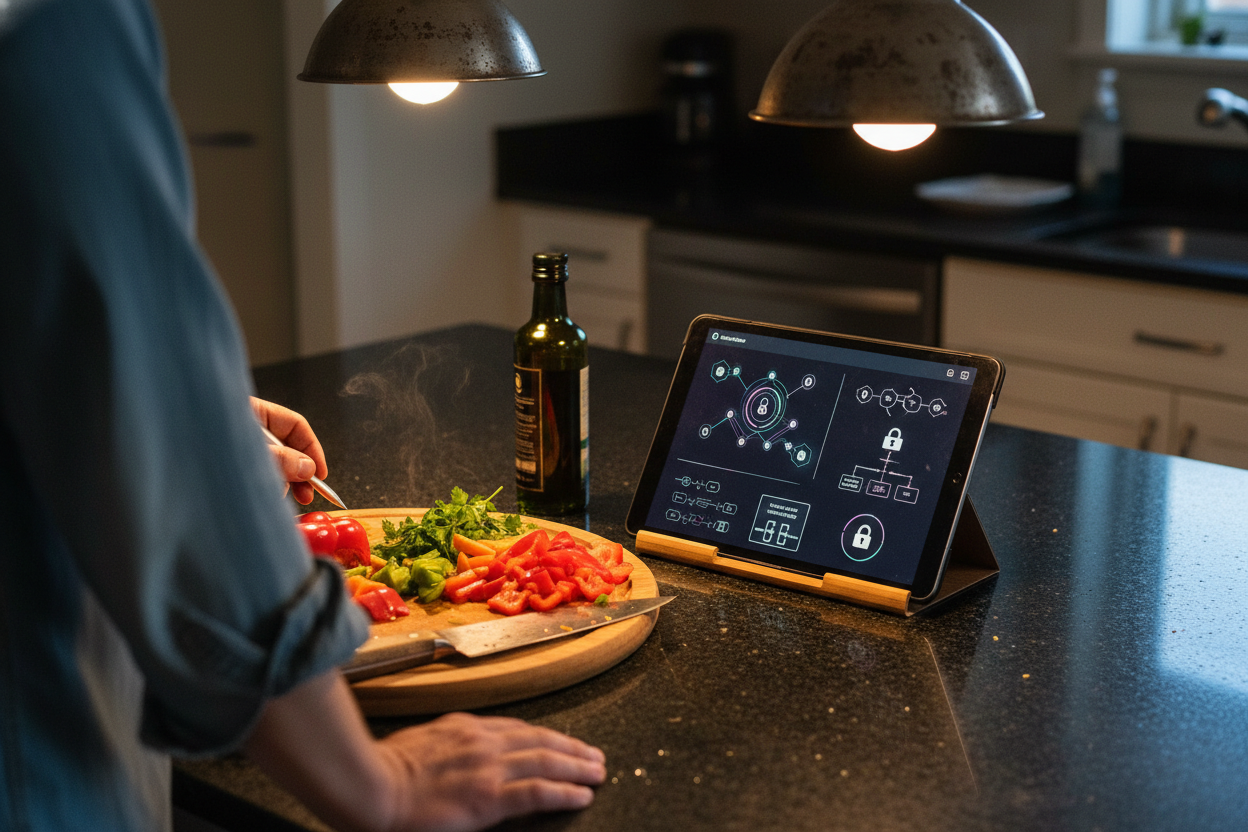
In an era where blockchain developers grapple with the computational burdens of zero-knowledge proofs, Ritual’s EVM and and ZK Proving and amp; Verification Sidecar stands out as a measured advancement. This modular extension to the Ethereum Virtual Machine integrates native support for ZK proof generation and verification, shielding developers from the arcane depths of cryptographic engineering. By embedding these capabilities directly into the execution environment, it promises to streamline verifiable computations on blockchain without compromising EVM compatibility or security.

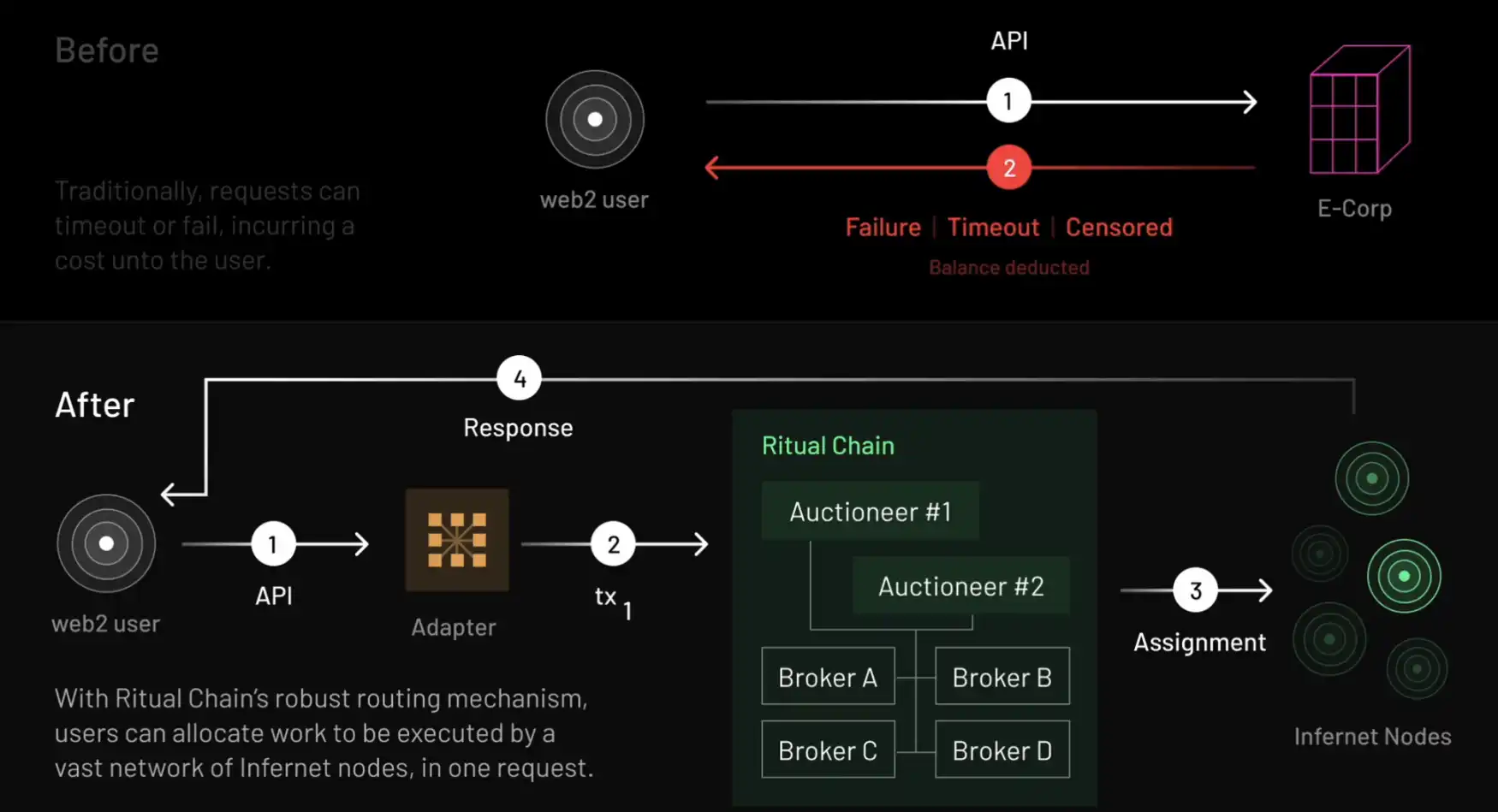
Ritual, a layer-1 blockchain tailored for AI and expressive compute, positions this sidecar as a cornerstone for its ecosystem. Drawing from Infernet nodes and proof relays, it decentralizes heavy proving tasks while piping results back to any L1. For those versed in privacy-preserving technologies, this aligns with a conservative strategy: leverage proven ZK primitives like zk-SNARKs through EZKL for ZKML, but abstract the complexity to foster broader adoption.
Demystifying Sidecars in the Ritual Ecosystem
Sidecars, as Ritual defines them, are specialized EVM modules that augment core functionality for tasks like AI inference or ZK proving infrastructure. The ZK variant specifically tackles the overhead of proof generation, which traditionally demands off-chain clusters and expert circuit design. Here, developers invoke proofs via standardized interfaces, selecting circuits optimized for proof size, generation speed, or verification gas costs. This modularity echoes the prudence of diversified portfolios; no single proving system locks you in.
Ritual empowers users to bring AI models and expressive compute onchain, with sidecars maintaining the EVM’s familiarity.
Consider the barriers newcomers face: crafting ZK circuits requires grokking arithmetic over elliptic curves, a far cry from Solidity’s syntax. Resources like beginner guides to ZK proofs highlight this chasm, yet Ritual’s sidecar bridges it by handling the heavy lifting. Nodes in the Ritual network, akin to Infernet’s decentralized compute, shoulder the proving workload, ensuring scalability amid volatility in crypto markets.
Practical Advantages for Privacy-Focused Developers
From a conservative vantage, the true merit lies in enabling privacy ZK proofs for developers without speculative risks. Smart contracts can now verify off-chain computations privately, ideal for DeFi oracles, scalable L2 rollups, or confidential AI inferences. No longer must teams maintain bespoke provers; the sidecar supports multiple backends, adapting to evolving standards like those in ZKML via EZKL.
Verification costs drop as proofs aggregate efficiently onchain, preserving gas budgets. This fosters long-term viability in volatile ecosystems, where patience rewards robust infrastructure. Developers report smoother workflows in testnets, completing tasks like proof relays with minimal friction, as per Ritual network guides.
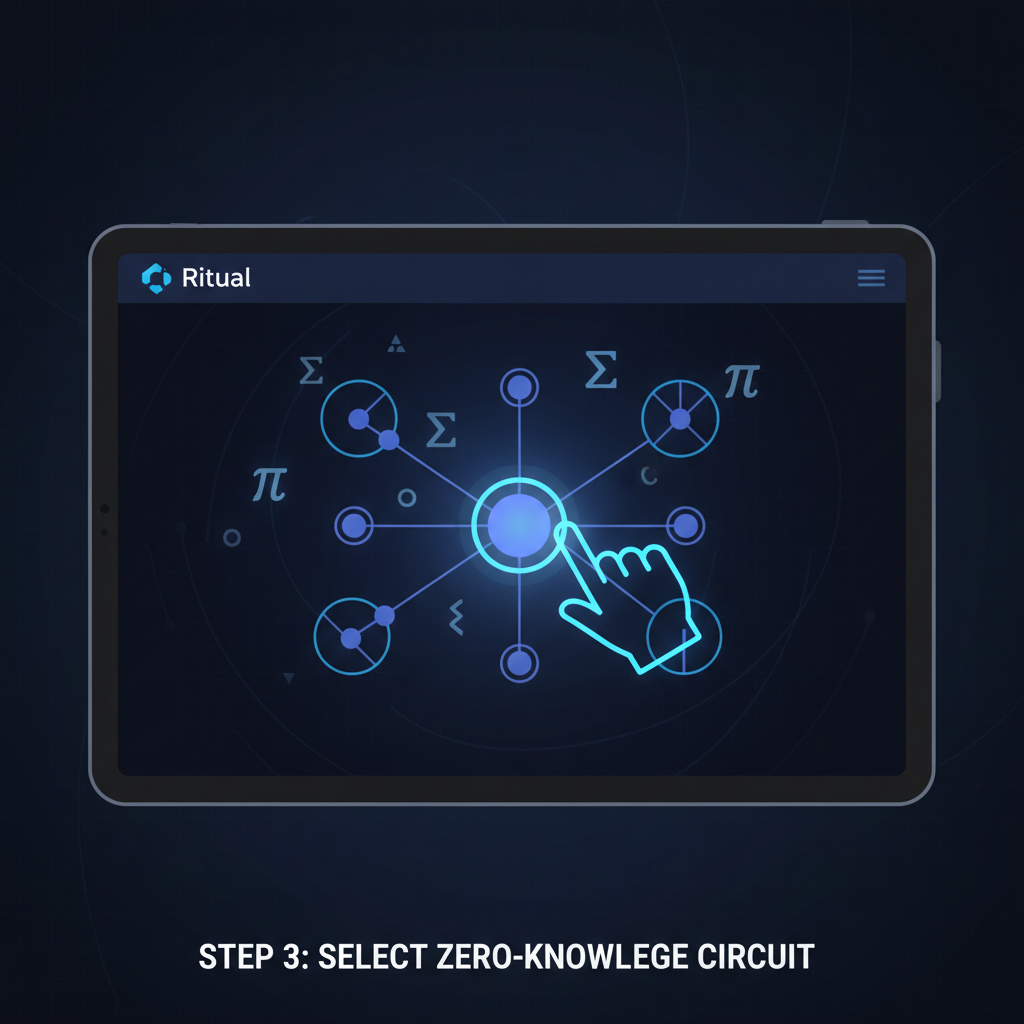
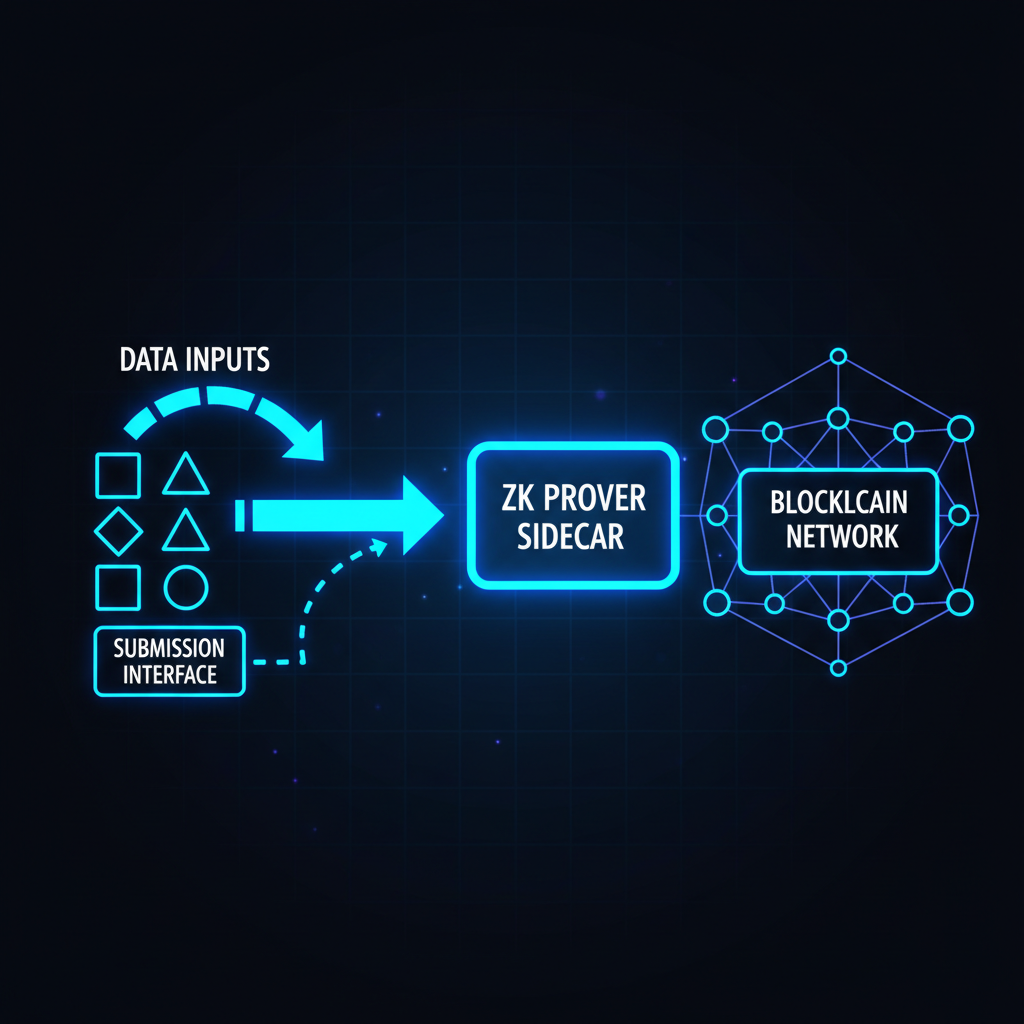
At its core, the sidecar intercepts EVM opcodes to route computations to optimized proving pipelines. Public inputs define the circuit, private ones stay shielded, yielding succinct proofs verifiable in constant time. This setup suits enterprise applications demanding unbreakable confidentiality, from secure multiparty computation to homomorphic-like operations without FHE’s latency. Integration begins with Ritual’s testnet: deploy contracts inheriting sidecar precompiles, specify circuit IDs, and submit inputs. The network’s proof relays ensure liveness, piping results to your L1. Security audits underscore reliance on battle-tested libraries, mitigating risks inherent in novel ZK systems. For blockchain engineers, this represents a pivot toward composable privacy, where verifiable execution becomes as routine as token transfers. Yet true prudence demands a sober assessment of limitations. Circuit selection remains a developer’s responsibility; mismatched choices could inflate costs or undermine efficiency. Ritual mitigates this through curated libraries, including EZKL for ZKML workloads, where deep learning inferences yield verifiable proofs without exposing model weights. In practice, testnet deployments reveal latencies under 10 seconds for modest circuits, a marked improvement over standalone provers that strain local hardware. Picture a DeFi protocol verifying private order matching: users submit encrypted bids via the sidecar, generating proofs that confirm validity sans revealing amounts. This elevates verifiable computation on blockchain from theory to routine, sidestepping oracle vulnerabilities. Similarly, L2 rollups gain native proving, compressing state transitions into succinct attestations that settle swiftly on L1s. For AI enthusiasts, Ritual’s Infernet integration shines; sidecar-equipped contracts attest to off-chain model outputs, enabling confidential predictions in decentralized markets. Privacy advocates will appreciate the conservative design: no central provers, just decentralized nodes competing for rewards. This mirrors diversified ZK portfolios, balancing groth16’s speed with plonk’s flexibility. Early adopters on Ritual’s testnet, guided by step-by-step protocols, already bridge proofs across chains, foreshadowing cross-L1 composability. From my vantage as a portfolio steward, this sidecar embodies enduring value. It lowers barriers without diluting rigor, much like allocating to blue-chip privacy primitives amid hype cycles. Developers gain tools for scalable confidentiality, unburdened by cryptographic esoterica. Scalability whispers promise, yet gas spikes during peak proving loads merit vigilance. Ritual counters with dynamic node allocation, akin to liquidity provisioning in volatile assets. Security, too, invites scrutiny; while audits affirm soundness, novel opcodes warrant phased rollouts. Conservative developers should prototype on testnets, validating against edge cases like malformed inputs or adversarial circuits. Interoperability extends to FHE hybrids, where sidecars preprocess data for homomorphic ops, blending ZK succinctness with FHE expressiveness. This fusion suits enterprise vaults, processing encrypted analytics without decryption. Long-term, as ZK hardware accelerators mature, expect sub-second proves, cementing Ritual’s edge in AI-blockchain convergence. Patience in privacy tech rewards those who build for verifiability over velocity. The Ritual ZK Proving Sidecar thus carves a deliberate path forward. It equips blockchain engineers with ZK proving infrastructure that scales thoughtfully, preserving EVM’s battle-tested base while unlocking privacy’s full spectrum. In ecosystems prone to fleeting trends, such measured innovations endure, fostering portfolios resilient to downturns. Developers eyeing sustainable edges in Web3 would do well to engage now, on testnets where proofs forge tomorrow’s standards. Real-World Use Cases Driving Adoption
Master Ritual ZK Sidecar on Testnet: Deploy, Prove, Verify

Navigating Challenges with Measured Optimism
Comparison of ZK Proving Systems in Ritual Sidecar
System
Proof Size
Gen Time
Verify Gas
Use Case
Groth16
~288 bytes
~50 ms (GPU)
~275k
High-performance general-purpose circuits with trusted setup
Plonk
~512 bytes
~200 ms (GPU)
~450k
Flexible circuits with universal trusted setup
Bulletproofs
~2.5 KB
~1.5 s (CPU)
~800k
No trusted setup, confidential transactions & range proofs
Halo2
~1 KB
~500 ms (GPU)
~600k
Recursive proofs & scalability