zkPass zkTLS: Verifying Web2 Credentials On-Chain Without Privacy Loss

In the relentless march toward a privacy-first digital economy, zkPass zkTLS emerges as the pivotal innovation fusing Web2 credentials with Web3’s unassailable verifiability. Imagine proving your banking history, e-commerce purchases, or social media tenure on-chain without exposing a single detail. This is zero knowledge Web2 verification at its finest, powered by zkTLS, where users craft privacy ZK credentials from everyday internet data, all while shielding sensitive information behind cryptographic veils.

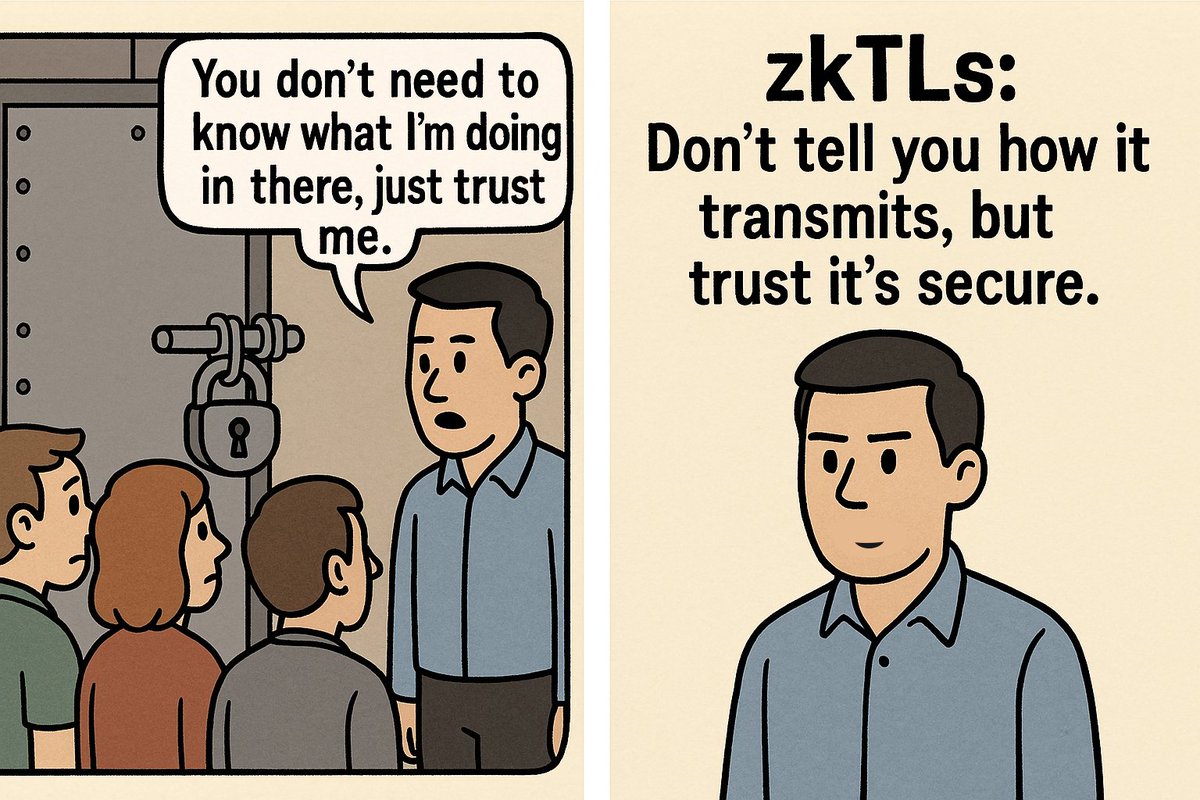
zkPass zkTLS isn’t just another protocol; it’s the architectural cornerstone redefining how we port real-world data into decentralized ecosystems. Traditional oracles falter under centralization risks and privacy leaks, but zkTLS harnesses the ubiquity of TLS connections-those everyday secure handshakes between your browser and websites-to generate tamper-proof proofs. Users connect to any TLS-secured Web2 source, capture the response locally, and distill it into a Zero-Knowledge Proof (ZKP) verifiable on-chain. No intermediaries, no data dumps, pure sovereignty.
Decoding zkTLS: Hybrid Cryptography Meets Everyday Internet Security
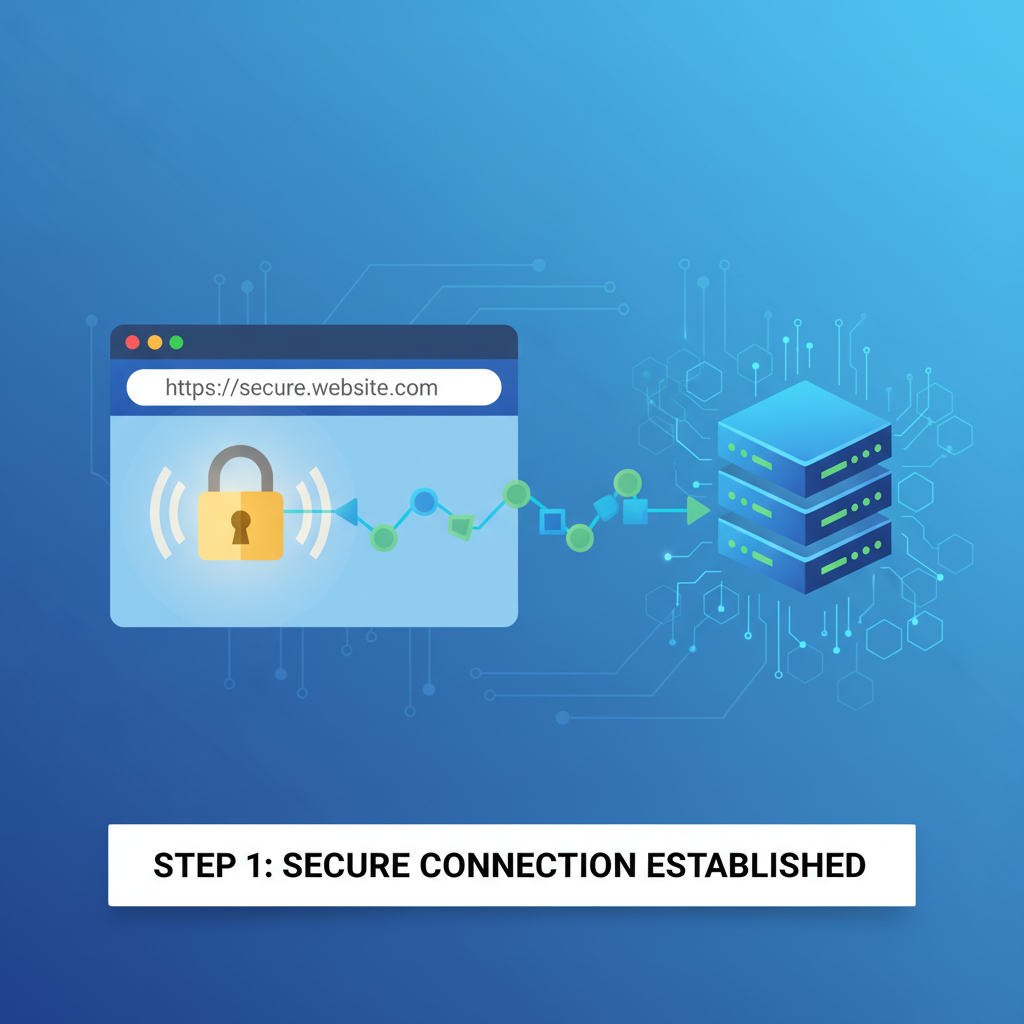
At its core, zkTLS integrates 3P-TLS (Third-Party TLS) and Hybrid-ZK cryptography, transforming standard TLS sessions into blockchain-ready attestations. When you visit a site like your bank or Amazon, the TLS layer already ensures data integrity during transit. zkTLS elevates this by enabling proof generation right in your browser, in under one second. This frictionless process democratizes Web2 data ZK proofs, making them accessible to anyone with a modern device.
zkPass, the protocol orchestrating this symphony, stands as a decentralized oracle that has already minted over 2 million zk attestations across financial institutions, e-commerce giants, social platforms, and educational portals. Supporting more than 200 schemas from 70 verified sources, it proves the scalability of zkTLS in bridging silos. This isn’t theoretical; it’s battle-tested infrastructure sowing prosperity for on-chain applications hungry for off-chain truth.
Key zkPass zkTLS Features
-
Privacy-Preserving ZKPs: Generate Zero-Knowledge Proofs locally using zkTLS, verifying Web2 data on-chain without exposing private information.
-
1-Second Browser Generation: Users create proofs directly in-browser in under one second via 3P-TLS and Hybrid-ZK cryptography.
-
2M+ Attestations: Over 2 million zk attestations across financial, e-commerce, social media, and education categories as of Oct 2024.
-
200+ Schemas from 70+ sources: Supports extensive schemas from verified Web2 data providers for broad applicability.
-
Seamless Web2-Web3 Bridge: Transforms private internet data into verifiable on-chain credentials for AI, DePIN, DID, and lending.
zkPass Momentum: $15 Million Fueled Expansion
The market speaks volumes. In October 2024, zkPass secured a $12.5 million Series A, elevating total funding to $15 million. Backers like dao5, CE Innovation Capital, and Animoca Brands recognize zkTLS as the linchpin for Web3’s maturity. This capital accelerates zkTLS refinements, targeting explosive growth in AI data feeds, DePIN networks, digital identity systems, lending protocols, and beyond.
Consider the implications for compliance: zkPass embeds verifiability directly into TLS, allowing users to attest regulated Web2 data-like KYC from banks-without revealing identities. This shifts paradigms from opaque intermediaries to transparent, user-controlled proofs, expanding the on-chain credential graph exponentially. Projects spotlighted by Binance underscore how zkPass drives verifiable credentials from Web2, fueling composable data economies.
From Browsers to Blockchains: The zkTLS Workflow Unveiled
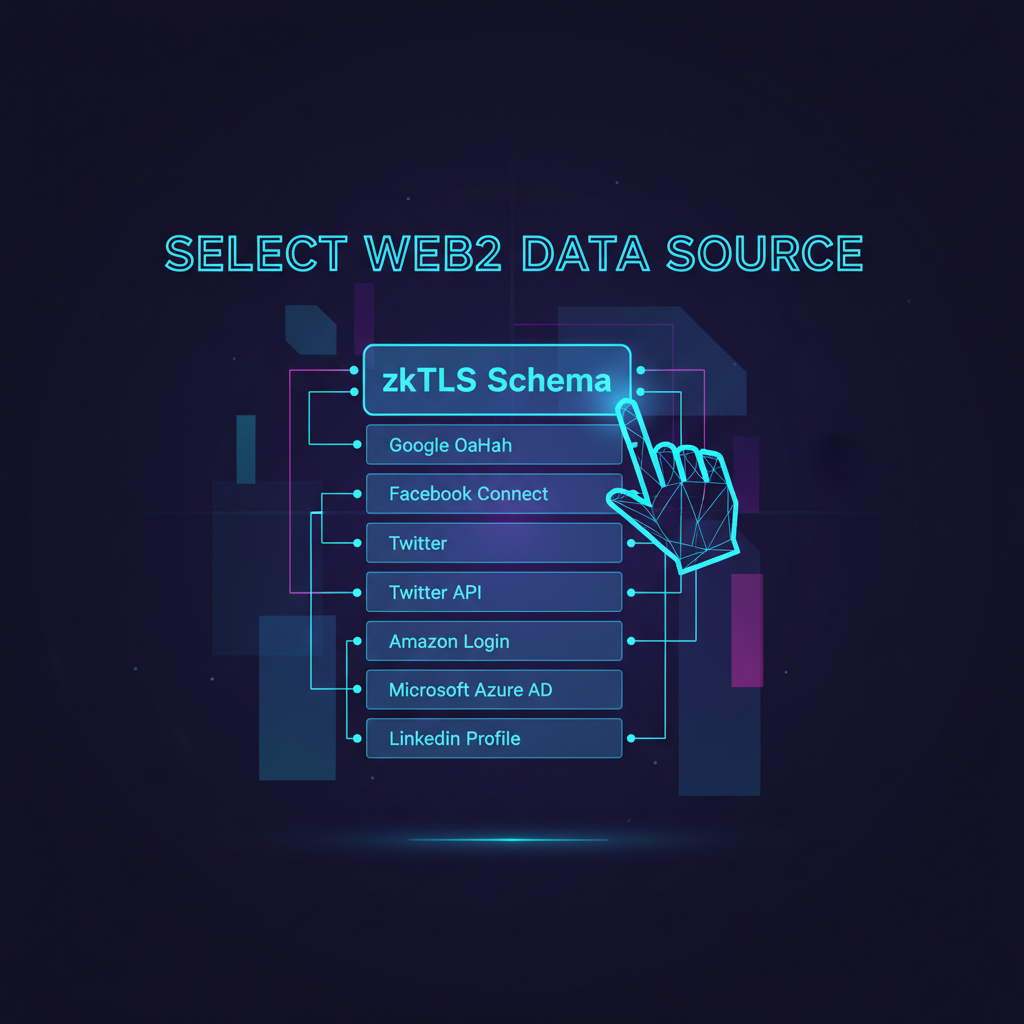
Users initiate by selecting a zkPass-supported schema, say, verifying Amazon purchase history. Their browser establishes a TLS connection, fetches the data, and invokes the zkTLS prover. Hybrid-ZK crunches the response into a succinct proof attesting to facts-like ‘purchases exceed $1,000’-without the underlying details. This ZKP uploads on-chain, instantly usable by dApps for lending eligibility, airdrop qualifications, or governance voting.
Such zkPass zkTLS efficiency shatters barriers. No gas-guzzling computations on-chain; proofs are lightweight and universal across EVM chains. Shoal Research highlights zkTLS’s verifiable data composability, positioning zkPass as the private oracle protocol par excellence. As Web3 matures, this technology ensures off-chain richness without on-chain exposure, heralding a verifiable internet where privacy and utility coexist.
Medium dispatches from zkPass itself proclaim zkTLS as the Verifiable Network’s bedrock, bridging Web2-Web3 chasms with surgical precision. LBank and MEXC analyses affirm how ZKP tokens incentivize this trustless verification, unlocking narratives around private Web2 data portability.
Impossible Finance and LinkedIn thinkers like Berke Kiran frame zkTLS as blockchain’s secure bridge, marrying zero-knowledge cryptography with TLS protocols to forge unbreakable chains of trust. This isn’t incremental; it’s a quantum leap, enabling developers to compose privacy ZK credentials that power everything from soulbound tokens to dynamic NFTs backed by real-world proofs.
Igniting Ecosystems: zkTLS Powers DeFi, AI, and Beyond
Picture DeFi protocols assessing creditworthiness not through invasive KYC but via zkTLS-attested purchase histories or income statements from Web2 payrolls. zkPass schemas already span e-commerce titans like Amazon, social behemoths like Twitter, and financial fortresses, crafting Web2 data ZK proofs that dApps devour. Lending platforms gain risk models infused with off-chain fidelity; airdrops target genuine users via verified tenure; governance weights votes by proven engagement.
In AI’s voracious data hunger, zkTLS feeds models with private datasets-educational transcripts or professional certifications-without leakage. DePIN networks verify device histories for resource allocation, while digital identity (DID) frameworks evolve into credential graphs where souls link without souls baring all. zkPass’s 2 million attestations signal not just adoption but a tipping point, where Web3 sheds its data starvation for nutritional abundance.
zkPass Impact Metrics
| Metric | Value |
|---|---|
| Total zk Attestations | 2M+ |
| Schemas Supported | 200+ |
| Verified Web Data Sources | 70+ |
| Total Funding | $15M |
| Key Sectors | DeFi, AI, DePIN, DID, Lending |
Ju. com’s 2025 protocol guide spotlights zkTLS as cryptographic alchemy, transmuting ephemeral internet responses into eternal on-chain verities. This composability, as Shoal Research insists, unlocks verifiable data’s full spectrum, positioning zkPass as the oracle private data always needed.
Architectural Edge: Why zkTLS Outpaces Rivals
Unlike clunky oracles piping raw data through trusted relays, zkTLS decentralizes proof genesis to the user’s machine. No single point of failure, no censorship vectors. Hybrid-ZK sidesteps full ZK’s computational heft by blending efficient primitives, clocking proofs in browser-native seconds. Competitors grapple with schema rigidity or chain-specific proofs; zkPass sails universal, EVM-agnostic, and schema-agile.
Privacy reigns supreme: 3P-TLS audits session fidelity sans decryption, ensuring proofs mirror reality without mirroring secrets. This user-sovereign model flips compliance on its head, letting regulated entities like banks attest without custodial nightmares. As zkPass scales, it forges the verifiable internet’s spine, where every TLS handshake seeds on-chain prosperity.
Generate zkTLS Proofs: Bridge Web2 to Web3 in Seconds
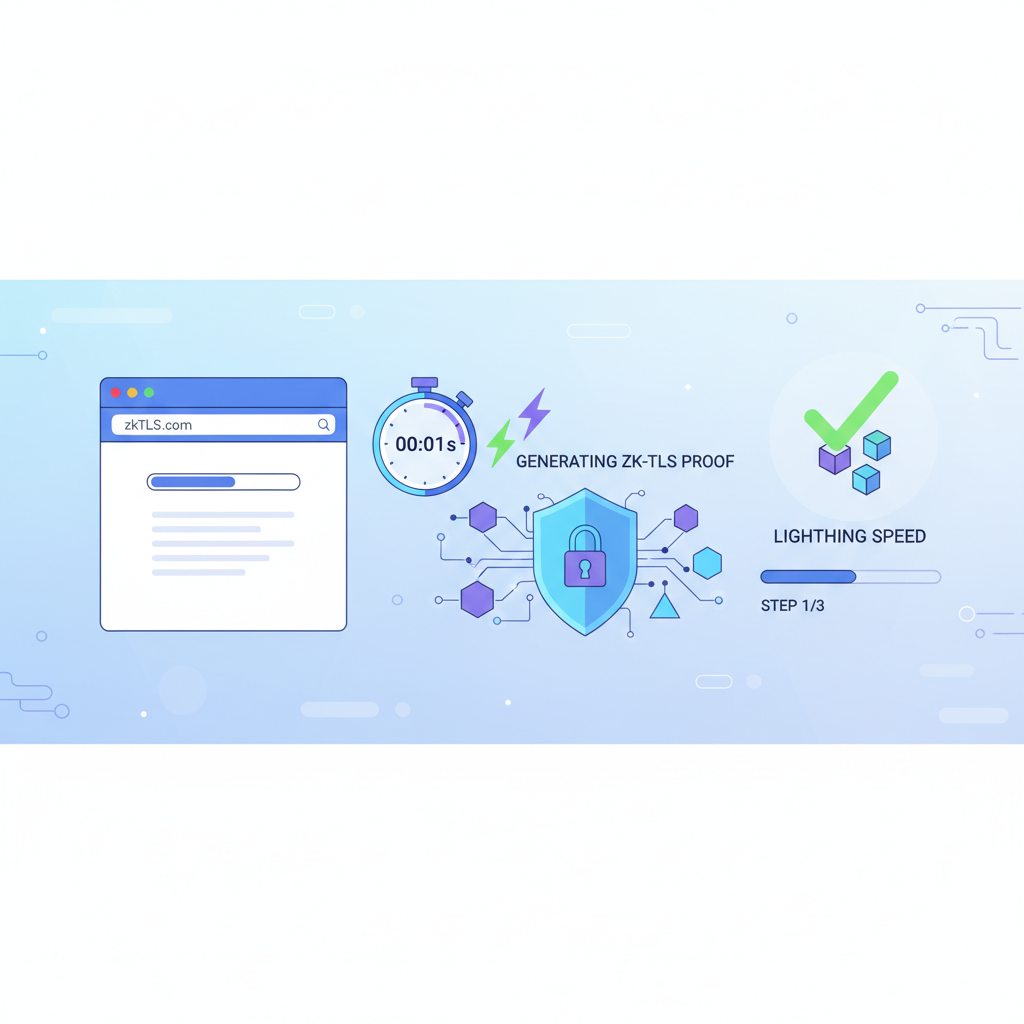
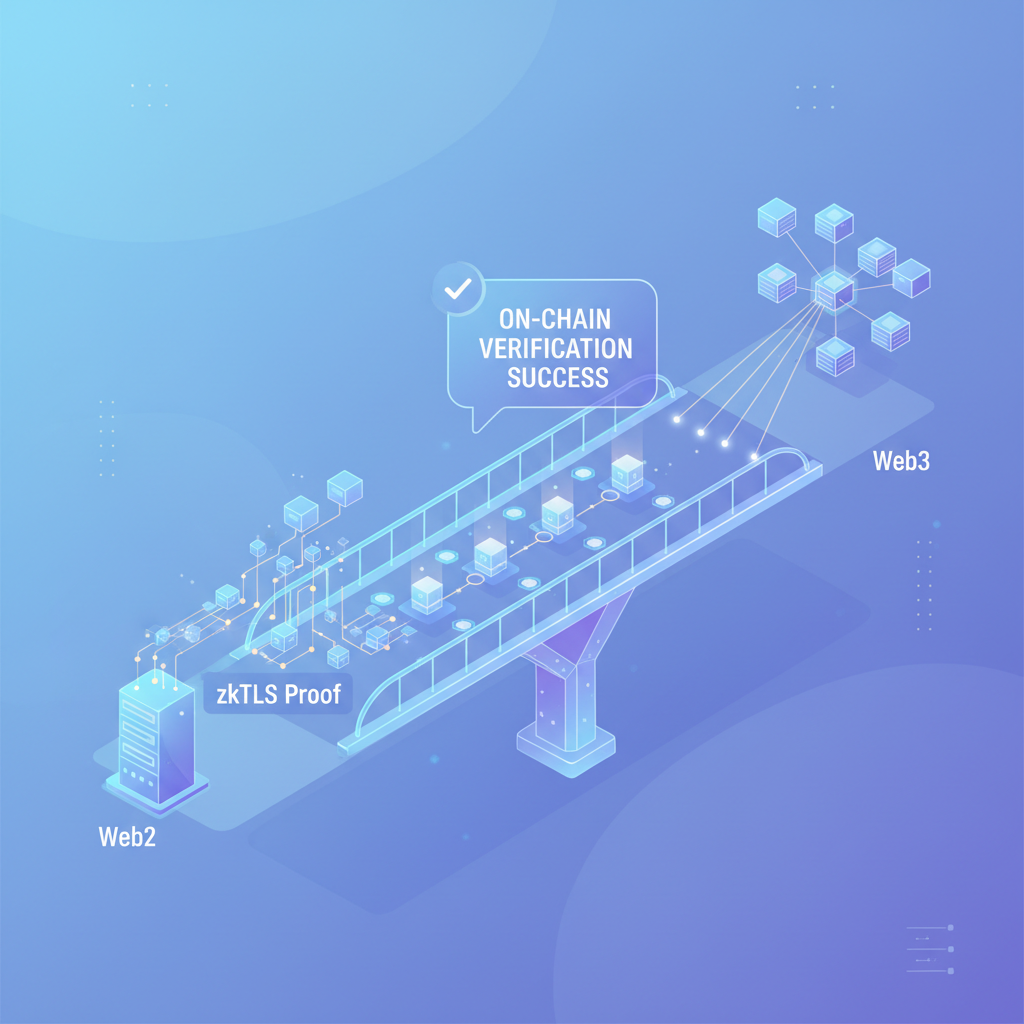
The protocol’s momentum cascades. With $15 million fortifying R and D, zkPass eyes exponential schema growth, deeper integrations, and ZKP tokenomics to bootstrap liquidity in credential markets. Early movers in lending and DID will reap outsized yields as Web3’s data moat crumbles.
Vision Realized: zkPass Ushers Privacy’s Golden Age
zkPass zkTLS doesn’t merely verify; it liberates. By embedding zero knowledge Web2 verification into daily browsing, it erects privacy’s bulwarks against surveillance capitalism. Developers wield godlike composability, chaining proofs into credential constellations that redefine identity, finance, and intelligence. As attestations crest millions, zkPass cements its role as Web2-Web3’s unbreakable conduit, fueling a decentralized renaissance where data serves users, not overlords.