

In the high-stakes world of DeFi, where trust is scarce and capital moves at lightning speed, verifiable computation with ZK proofs is emerging as a game-changer. Imagine running complex AI inference off-chain for risk assessment or options pricing, then proving its correctness on-chain without exposing proprietary models or sensitive user data. This isn't hype; it's the foundation of zero knowledge DeFi computation, unlocking scalable, private intelligence for protocols that demand both speed and security.
Traditional DeFi relies on transparent smart contracts, but as AI models grow sophisticated for tasks like volatility prediction or lending optimization, on-chain execution becomes prohibitive. Enter zkVMs and platforms like Brevis, which extend zero-knowledge proofs into general-purpose verifiable computing. These tools handle zk off-chain AI inference, from cross-chain validations to cryptographic workloads, all while generating succinct proofs verifiable by any chain.
Unlocking Infinite Compute for DeFi with zkVMs
zkVMs represent a paradigm shift, compiling arbitrary business logic into circuits executed off-chain by provers. The proof? A tiny cryptographic ticket affirming correct execution, postable on Ethereum or L2s like Starknet and zkSync Era. Projects such as StarkNet boast over 27 million monthly transactions at 90% lower DeFi costs, proving industrial-scale viability.
Brevis Network positions itself as Web3's infinite compute layer, powering applications with ZK-backed execution. Developers write in Rust or other languages, compile to zkVM bytecode, and offload heavy lifts like AI model inference. The result: DeFi protocols gain access to machine learning without bloating gas fees or compromising privacy. As zkSync and Starknet push zkSync Starknet AI proofs, we see verifiable agents handling everything from oracle feeds to dynamic AMM curves.

ZK Proofs: The Cryptographic Backbone of Verifiable AI
At its core, a zero-knowledge proof lets a prover convince a verifier of a statement's truth without revealing underlying data. In DeFi's context, this means attesting that an AI model outputted a fair volatility score or loan approval without leaking the training dataset or inputs. Starknet's take is spot-on: ZKPs provide model-layer traceability, crucial for regulated sectors like banking and DeFi where audits can't peek inside black boxes.
Verifiable ML, powered by zk-SNARKs and zk-STARKs, traces outputs back to inputs mathematically. ChainScore Labs outlines the process: design arithmetic circuits mimicking neural network layers, generate proofs off-chain, and verify on-chain in milliseconds. This isn't theoretical; Inference Labs' Proof of Inference is live on testnet, with mainnet eyed for late Q3 2025 after a $6.3M raise. Model operators protect IP while DeFi users trust the math.
Platforms like zkVerify take it further with encrypted predictions. Users query AI without sharing raw data, supporting private training and compliant inference. Cysic's ZK hardware accelerators, including ASICs and GPUs, slash proof times for zkML, integrating with Succinct's SP1 and JOLT for L2 rollups. These layers stack to make verifiable computation zk proofs not just feasible, but efficient.
Consider confidential derivatives trading, my focus for years. Options protocols need AI-driven greeks calculations, but exposing positions invites front-running. With Brevis zk verifiable execution, compute volatilities off-chain via FHE-augmented ZK, prove adherence to Black-Scholes variants, and settle privately. Nethermind highlights ZKPs for off-chain KYC/AML via hashed commitments, extending to AI-scored creditworthiness without doxxing users.
Starknet's AI Portal invites builders to craft verifiable agents on its quantum-resistant L2, complete with native account abstraction and low-cost compute. Hacken's primer nails it: ZKPs prove execution sans data revelation, perfect for privacy-preserving DeFi. As BlockBeats details in Brevis' paper, zkVMs as data co-processors let protocols scale AI without centralization risks.
Dynamic AMMs could adjust fees in real-time based on AI-predicted liquidity crunches, all verified via Brevis zk verifiable execution without exposing market maker strategies. This shifts DeFi from rigid rules to adaptive, provable intelligence, where protocols like Aave or Uniswap forks embed zkML natively.
Key ZK AI Advantages for DeFi
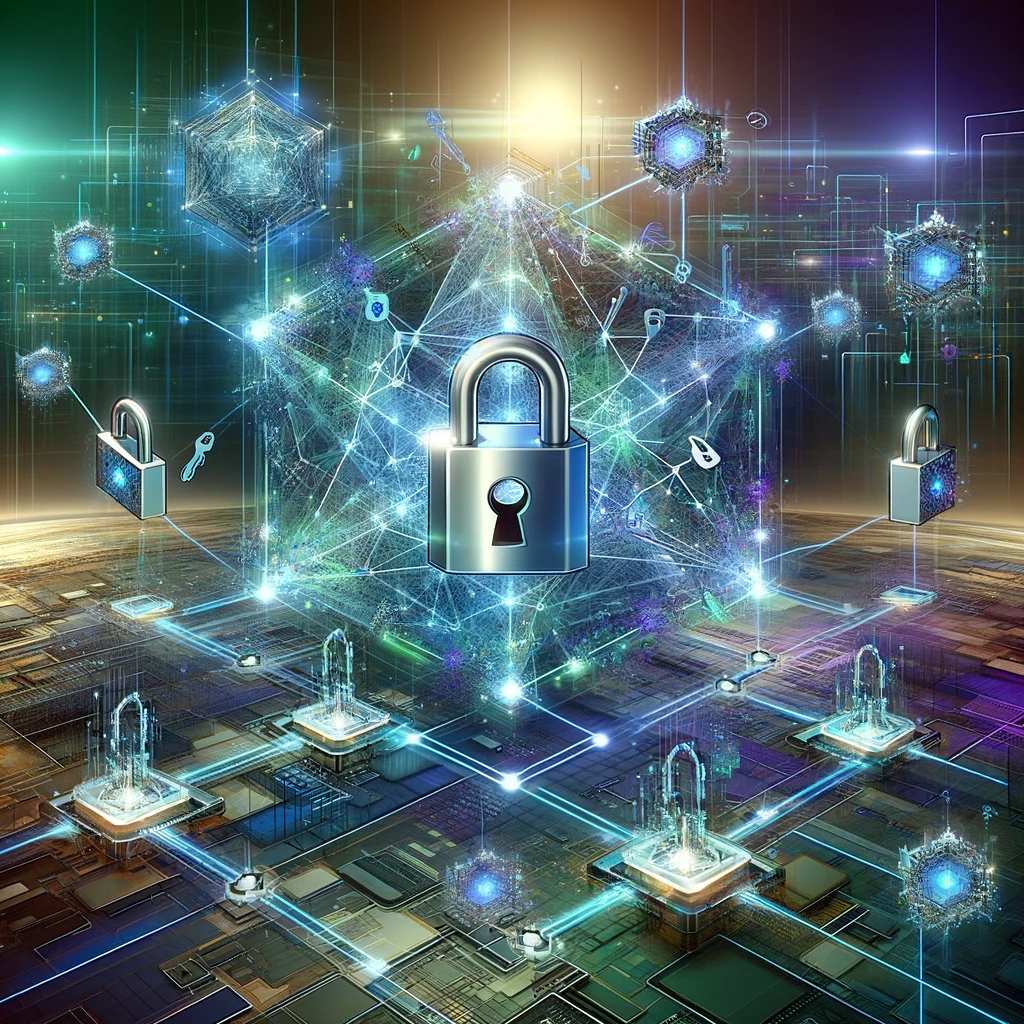
- Privacy Preservation: ZK proofs validate AI outputs without revealing inputs or models, enabling encrypted predictions via zkVerify and Inference Labs' Proof of Inference.
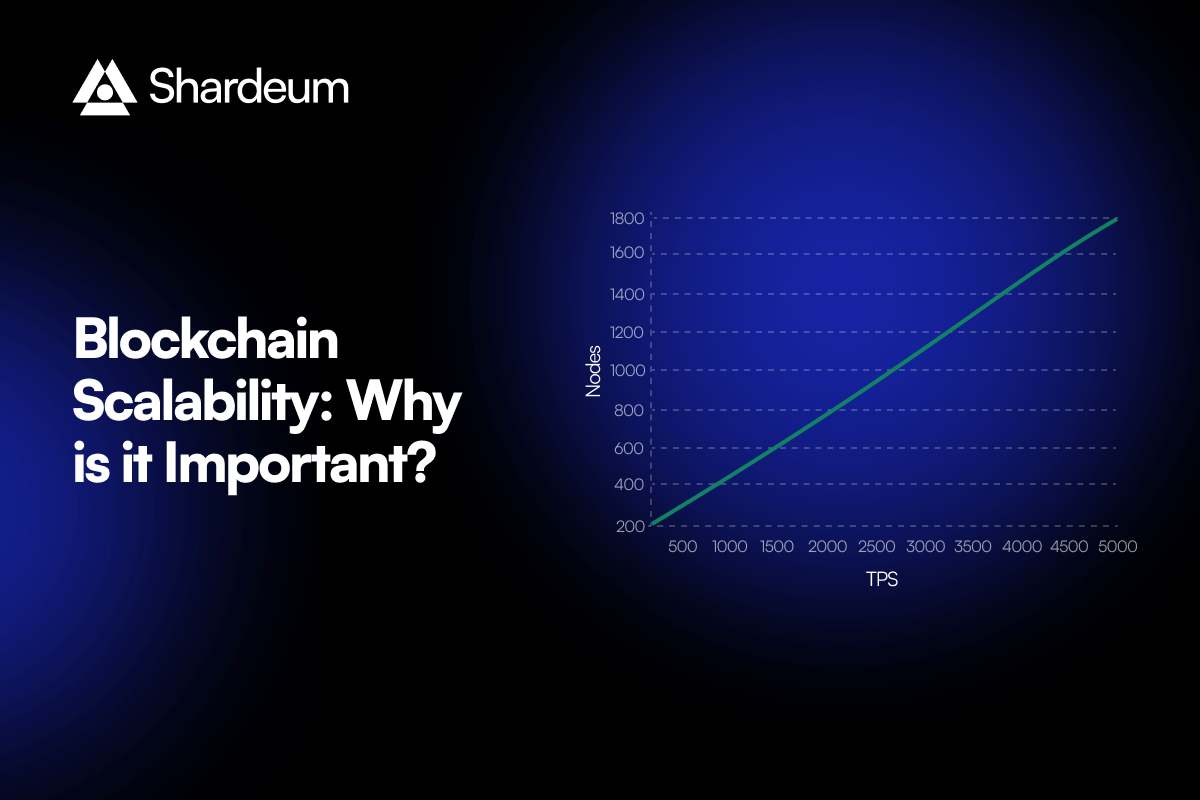
- Scalability Boost: Off-chain zkVM execution like Brevis supports infinite compute for AI inference, cross-chain validation, and high throughput as in Starknet.
- Cost Savings: Up to 90% lower DeFi costs with ZK proofs, per Starknet and zkSync Era's industrial-scale performance.
- Regulatory Compliance: Verifiable ML ensures traceability for KYC/AML in DeFi, vital for banking via Starknet and Nethermind ZKPs.

- Front-Running Resistance: Off-chain AI hides strategies from mempools, preventing MEV attacks while verifying results on-chain.
Yet integration isn't seamless. Circuit design for neural nets remains an art; deep models bloat proof sizes, demanding optimizations like Cysic's ASICs or zkVerify's encrypted layers. I've tested hybrids in options sims: FHE for initial confidential computes, ZK for final attestations. The combo yields sub-second verifications on L2s, ideal for high-frequency DeFi plays.
Overcoming Hurdles: From Proof Latency to Developer Friction
Proof generation lags real-time needs, but zkVM advances close the gap. Brevis' data co-processor model offloads provers globally, slashing times via distributed networks. Starknet's quantum-resistant stack adds longevity, while zkSync Era's throughput handles volume. My take? Prioritize zk-STARKs for transparency in public DeFi; SNARKs trusted setups suit permissioned vaults. Balance matters, especially in volatility modeling where over-reliance on any primitive risks exploits.
Inference Labs' Proof of Inference exemplifies maturity. Live on testnet post-$6.3M funding, it secures AI agents for DeFi without IP leaks, mainnet-bound late Q3 2025. Pair with verifiable inference protocols, and you transform compute networks into trustless powerhouses. zkVerify's private predictions enable compliant lending, proving scores sans data shares.
Future-Proofing DeFi with ZK-AI Synergies
Looking ahead, zkSync Starknet AI proofs scale to agent swarms: autonomous yield optimizers negotiating under ZK veils. Brevis expands as Web3's compute backbone, zkVMs evolving for multimodal AI. Challenges persist, like prover centralization, but decentralized networks and hardware leaps mitigate them.
Read deeper into how verifiable inference builds trust. In my 11 years dissecting options, nothing matches ZK's promise for hybrid privacy strategies. DeFi evolves from gambling dens to fortified markets, where zero knowledge DeFi computation enforces fairness at protocol core. Protocols ignoring this risk obsolescence; adopters reap confidential alpha.
Start prototyping today. Compile that inference loop to zkVM, post proofs to Starknet, watch your protocol thrive under verifiable scrutiny. The infinite compute layer awaits, privacy intact.




No comments yet. Be the first to share your thoughts!